


The Icon vs. The Hidden Gem
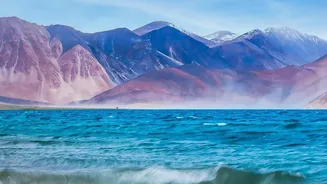
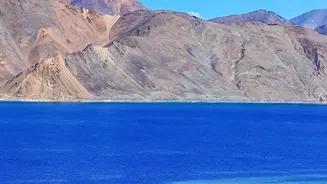
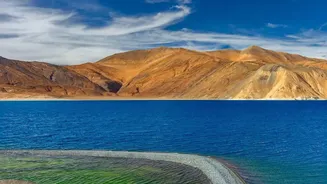
Pangong Tso is a celebrity. Famous for its breathtaking shades of blue and a starring role in popular culture, it is often the primary draw for first-time visitors to Ladakh. It’s a spectacular, sprawling body of water that extends across the India-China
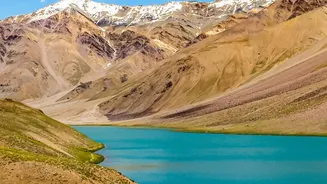
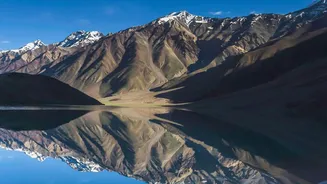
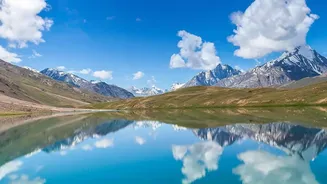
border. The experience is undeniably epic, but its fame comes with a price: high tourist density, especially during peak season, with hundreds of vehicles arriving daily. Tso Moriri, on the other hand, is the region’s magnificent, lesser-known secret. Located deeper within the Changthang plateau, it is the largest high-altitude lake entirely within India. It offers a sense of solitude and raw, untouched nature that has become harder to find at its more famous counterpart. For those who value tranquility over trophies, Tso Moriri presents an experience that feels more personal and profound.
The Journey: Accessibility and Permits
Reaching Pangong Tso from Leh is a relatively straightforward affair, taking about 4-5 hours via the well-maintained road over Chang La pass. The route is one of the most travelled tourist circuits in Ladakh. In contrast, the journey to Tso Moriri is a longer, more adventurous undertaking. The 230-kilometer drive from Leh can take 6-8 hours, and the final stretch of road after Sumdo is known for being rough and challenging, often requiring a 4WD vehicle. Both lakes require an Inner Line Permit (ILP) for Indian citizens, which can now be obtained online. The crucial difference lies in the journey itself—Pangong's is a means to an end, while the drive to Tso Moriri is an integral part of the remote, high-altitude adventure.
Accommodation: Lakeside Camps vs. Village Homestays
The area around Pangong Tso is dotted with numerous glamping-style tented camps catering to the tourist rush. While convenient, this has led to concerns about commercialization and environmental impact. Tso Moriri offers a different, more rustic experience. The lake is part of the Tso Moriri Wetland Conservation Reserve, a designated Ramsar site, which means camping or any construction directly on its banks is strictly prohibited. Accommodation is found in the nearby Korzok village, one of the highest permanent settlements in India, primarily consisting of simple guesthouses and authentic family-run homestays. This setup offers a unique opportunity to experience the hospitality of the local Changpa nomads, though visitors should expect limited amenities like solar-powered electricity for only a few hours in the evening.
The Experience: Crowds and Conservation
At Pangong, the shore can feel crowded, with designated photo points and a constant stream of visitors. Tso Moriri, being more remote and harder to access, sees far fewer tourists, allowing for a much quieter and more immersive connection with nature. The conservation status of Tso Moriri also defines the experience. Its recognition as the world's highest Ramsar site underscores its ecological importance. The lake is a crucial breeding ground for a variety of migratory birds, including the rare and endangered black-necked crane and bar-headed geese. This makes it a paradise for birdwatchers and wildlife enthusiasts, who might also spot Tibetan wild ass (Kiang), marmots, and blue sheep in the surrounding Changthang Wildlife Sanctuary.