



Europe's Great Eclipse
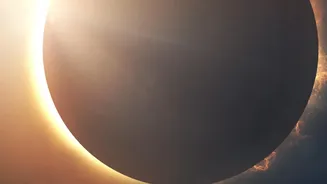
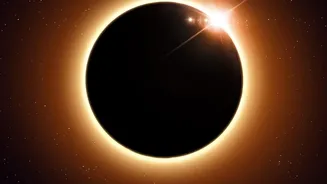
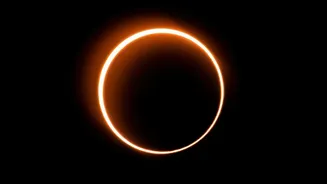
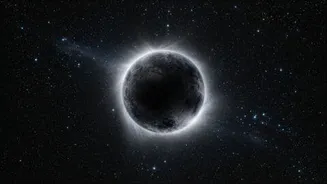
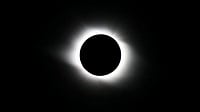
On the evening of August 12, 2026, a total solar eclipse will trace a path across the Northern Hemisphere, with northern Spain offering one of the best and most accessible land-based viewing experiences. It will be the first total solar eclipse visible
in mainland Europe since 1999, making it a monumental event for astronomers and travellers alike. The path of totality—the narrow strip where the moon completely obscures the sun—will sweep across regions from Galicia on the Atlantic coast to Catalonia and the Balearic Islands in the Mediterranean. Cities like Bilbao, Zaragoza, and Valencia will experience the brief, awe-inspiring darkness of totality.
The Lerma Advantage
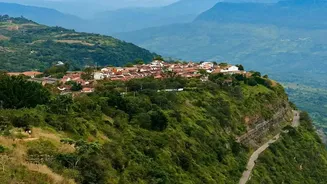
While major cities lie in the eclipse's path, it’s the smaller towns and villages that are generating significant buzz. The area around Lerma, a historic town in the province of Burgos, has emerged as a prime location. This is due to a combination of factors, chief among them being favourable weather prospects. The inland Meseta Central plateau, where Lerma is located, statistically offers a much higher chance of clear skies in August compared to the often-cloudier northern coast. This meteorological advantage makes the region a magnet for serious eclipse chasers who want to minimize the risk of clouds ruining the moment of totality. Several international tour groups have already designated the Lerma area as their base, booking out historic hotels and local wineries for exclusive viewing events.
A Sunset Spectacle
What makes the 2026 eclipse in Spain particularly dramatic is its timing. The event will occur late in the day, with totality happening just before sunset. From the vantage point of Lerma and its surroundings, the totally eclipsed sun will hang low over the western horizon, just a few degrees above it. This low altitude is expected to create a stunning visual spectacle, potentially magnifying the sun and moon through an atmospheric phenomenon known as the "moon illusion" and casting long, dramatic shadow bands across the landscape. The interplay of the darkening sky, the ethereal solar corona, and the colours of sunset promises a unique and unforgettable experience. However, this also presents a challenge: observers need a completely unobstructed western view, free from hills or buildings.
Preparing for the World
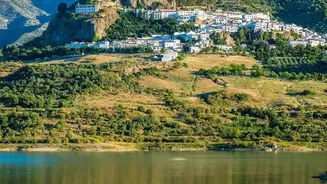
The influx of thousands of visitors presents both an opportunity and a challenge for this quiet region. Local authorities across northern Spain are bracing for a massive surge in what is being called 'astro-tourism'. Spain's traffic authority, the DGT, has announced special measures to manage the expected increase in vehicles, warning against stopping on motorways and implementing temporary road restrictions. In the province of Burgos, local accommodations, from the grand Parador de Lerma—a 17th-century ducal palace turned hotel—to smaller rural houses, have been booked for months, if not years, in advance. Wineries are transforming into exclusive viewing sites, offering guests a combination of celestial wonder and terrestrial delights. For many small villages, the few minutes of the eclipse represent an unprecedented economic and logistical event.
Beyond the Vanishing Sun
For those making the journey, the eclipse is the main event, but the region offers plenty more. Lerma itself is a beautifully preserved town with a stunning Plaza Mayor and a rich history tied to the Duke of Lerma and King Felipe III. The nearby city of Burgos is home to a magnificent Gothic cathedral, a UNESCO World Heritage site. The area is also at the heart of the Ribera del Duero wine region, renowned for its powerful red wines. Visitors can explore ancient monasteries, feast on the region’s hearty cuisine, and walk stretches of the famous Camino de Santiago pilgrimage route, which also passes through the area. The eclipse may only last for a couple of minutes, but the cultural richness of the region provides a compelling reason to stay longer.