






The Myth: Why We Fear the Double-Carb
You’ve likely heard the advice before: avoid pairing rice with dal, or roti with potatoes. The theory behind this rule is that consuming multiple carbohydrate sources at once will cause a massive spike in blood sugar and insulin. According to this myth,
the subsequent surge of insulin, the hormone responsible for storing nutrients, flips a switch in your body that halts fat burning and promotes fat storage. This idea has made many people wary of traditional Indian meals and has popularised the avoidance of certain food combinations in the pursuit of weight loss. The fear is that by eating, for example, a potato curry with a side of rice, you are overloading your system and guaranteeing that the meal will end up stored as body fat rather than being used for energy.
The Reality: How Your Body Actually Uses Fuel
Your body is far more sophisticated than a simple on/off switch for fat burning. Metabolism is a dynamic process that constantly adjusts based on what fuel is available. When you eat carbohydrates, they are broken down into glucose, your body's preferred and quickest source of energy. The presence of glucose in your bloodstream does signal your body to use it for immediate energy needs. This is a normal and healthy process. While the body prioritises burning available glucose, it doesn't mean fat burning is permanently shut down. It's more of a temporary pause. Once the glucose from your meal has been used or stored as glycogen in your liver and muscles, your body seamlessly transitions back to burning fat for energy, especially during rest or lower-intensity activities. The human body is designed to handle mixed meals; in fact, most foods are naturally a combination of carbs, protein, and fat.
Understanding the Role of Insulin
Insulin often gets a bad rap, but it is a vital hormone. Its primary job is to move glucose from your blood into your cells to be used for energy. It’s true that eating carbs raises insulin levels, and high levels of insulin temporarily suppress fat breakdown. However, this is a short-term effect. For a healthy individual, this post-meal insulin response is a sign of a well-functioning metabolism. Recent research has even suggested that a robust insulin response after a meal can be an indicator of good long-term metabolic health, challenging the idea that all insulin surges are detrimental. The problem isn't the insulin response itself, but rather chronic, persistently high insulin levels, often associated with insulin resistance and a diet consistently high in processed sugars and refined carbohydrates.
What Truly Matters: Quality and Quantity
Nutrition experts agree that the total caloric intake and the overall quality of your diet are far more important than worrying about combining two carbs in a single meal. Weight management fundamentally comes down to energy balance—consuming fewer calories than your body expends. Rather than fearing a plate of dal and rice, the focus should be on the type of carbohydrates you are eating. Complex carbohydrates, which are rich in fibre—like whole grains, legumes, vegetables, and lentils—are digested more slowly. This leads to a more gradual rise in blood sugar and insulin compared to simple carbs found in sugary drinks, white bread, and sweets. Pairing a starchy carb with a fibrous one can actually be beneficial, as the fibre helps to slow down digestion and promote a feeling of fullness, which can aid in weight management.
Build a Smarter Plate, Don't Fear It
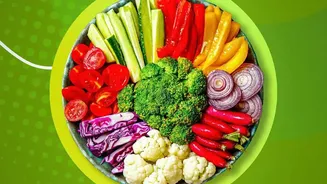
Instead of eliminating carb combinations, aim to build balanced meals. The principle of a balanced plate is key. When you have rice and dal, you are combining a grain with a legume, which together provide a more complete protein source. Adding a side of non-starchy vegetables like spinach or broccoli further boosts the fibre and nutrient content, moderating the meal's overall impact on blood sugar. The focus should be on portion control and including protein, healthy fats, and plenty of fibre in every meal. This approach not only supports stable energy levels but also ensures you receive a wider range of essential nutrients. A balanced meal that includes different food groups is more satiating and ultimately more beneficial than an overly restrictive diet built on fear-based rules.