






A Versatile Pantry Staple
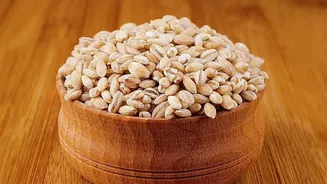
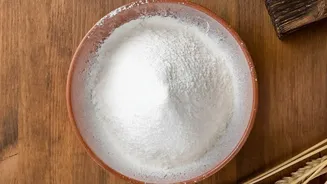
Barley flour is a non-wheat flour made from grinding whole, dried barley grains. It has a mild, slightly nutty and sweet taste that is less assertive than whole wheat flour, making it an easy ingredient to incorporate into a variety of recipes. While
some flours are best for specific tasks, barley flour’s unique properties allow it to perform beautifully in two key kitchen roles: baking and sauce thickening. It is important to note that while it is a different grain from wheat, barley does contain gluten, so it is not suitable for those with celiac disease or a gluten-free diet. However, its gluten content is lower than that of wheat flour.
Perfecting Your Bakes with Barley
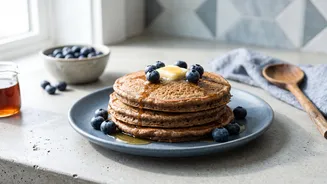
In baking, barley flour is an excellent way to add nutrition and a tender texture. Due to its lower gluten content, it generally can't be used as a one-to-one replacement for all-purpose flour in yeast breads that require a strong structure to rise. For loaves of bread and pizza crusts, a good rule of thumb is to substitute about 25-50% of the wheat flour with barley flour. This provides the nutty flavour and nutritional benefits of barley without sacrificing the bread's structure. For denser, less structured baked goods like cookies, muffins, pancakes, and quick breads, you can be more generous, often replacing up to half or even all of the all-purpose flour. This substitution can result in a moister final product with a pleasant, hearty texture. Because it is more absorbent, you may need to slightly increase the liquid in your recipe.
The Secret to Silky Sauces
Beyond the oven, barley flour is a reliable thickener for soups, stews, and gravies. Unlike adding raw all-purpose flour, which can clump easily in hot liquids and leave a pasty taste, barley flour integrates smoothly. To use it as a thickener, you can create a roux by cooking equal parts butter or oil and barley flour before whisking in your liquid. Alternatively, for a simpler method, you can make a slurry. Just mix about two tablespoons of barley flour with a quarter cup of cold water for every cup of liquid you wish to thicken. Whisk until smooth, then slowly pour the slurry into your simmering sauce, stirring continuously until it thickens. This method not only adds body but also contributes a subtle, savoury depth of flavour that you won't get from cornstarch or white flour.
A Boost of Nutrition in Every Scoop
One of the biggest advantages of using barley flour is its impressive nutritional profile. It is packed with dietary fibre, particularly a soluble fibre called beta-glucan, which is known to help lower cholesterol and regulate blood sugar levels. A diet rich in whole grains like barley is associated with better digestive health and can help you feel full for longer. Barley is also a good source of essential vitamins and minerals, including B vitamins, iron, magnesium, and selenium, which support everything from energy production to immune function. Compared to all-purpose flour, whole-grain barley flour has a lower glycemic index, providing a more steady release of energy.
Tips for Buying and Using
When shopping for barley flour, you might find it in larger grocery stores or health food shops. As a whole-grain flour, it has a shorter shelf life than refined white flour. It's best to buy it in smaller quantities and store it in an airtight container in the fridge or freezer to maintain its freshness. Before you buy, give the flour a sniff if you can; any off odour indicates it has gone rancid. Start by experimenting with recipes you already know and love. Swap in a portion of barley flour in your weekend pancakes, a batch of chocolate chip cookies, or your next homemade soup to see and taste the difference for yourself.