

The Cardinal Rule: Firm and Heavy
When it comes to root vegetables, your sense of touch is your most reliable tool. The single most important quality to look for is firmness. Whether you are buying potatoes, carrots, radishes, or sweet potatoes, they should feel hard and solid. A soft
or spongy texture is a primary indicator that the vegetable is old, has lost moisture, and is beginning to decay. Along with firmness, the vegetable should feel heavy for its size. This weightiness suggests a high water content, which translates to a crisp texture and fresh flavour. Avoid any roots that have soft spots, feel light, or look shrivelled, as these are all signs that they are past their prime.
Potatoes and Onions: The Kitchen Staples
Potatoes and onions form the base of countless Indian dishes, so choosing good ones is crucial. For potatoes, look for smooth, firm skins with no large cracks, soft spots, or blemishes. A major red flag is any greening on the skin. This green colour indicates the presence of solanine, a natural toxin that can taste bitter and should be avoided. Small sprouts are generally okay and can be removed, but heavy sprouting means the potato is old and losing its nutrients. Onions should be firm with dry, papery outer skins. Avoid any that have soft spots, show signs of moisture, or are sprouting, as this indicates they are beginning to spoil from the inside. A strong, unpleasant smell is also a clear sign to leave it behind.
Ginger and Garlic: Flavour Powerhouses
Fresh ginger and garlic are essential for their pungent, aromatic qualities. When selecting ginger, look for rhizomes with smooth, taut skin that has a slight sheen. The skin should be thin, and the root should feel firm and heavy. You can test its freshness by snapping a small piece off; it should break with a clean, crisp snap. Avoid ginger that looks wrinkled, feels soft, or has damp spots, as it is likely old or developing mould. For garlic, choose firm, plump bulbs with dry, paper-like skins. The head should feel solid when you give it a gentle squeeze. If it feels light or individual cloves are soft or shrivelled, the garlic is likely dehydrated and has lost its potent flavour.
Carrots and Radishes: A Guide to Crunch
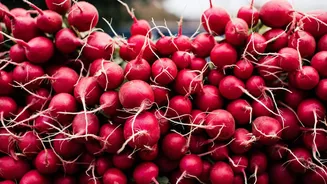
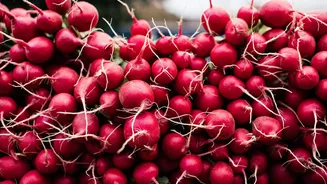
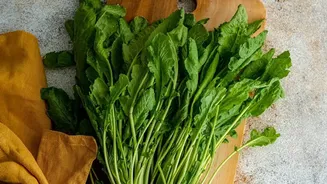
Carrots, radishes, and other similar roots should be vibrant in colour and firm to the touch. Limp or rubbery carrots are not necessarily spoiled but are dehydrated and have lost their desirable crunch. However, if a carrot feels slimy, it is a sign of bacterial decay and it should be discarded. The slime is a film of bacteria breaking down the vegetable's surface. If the roots have their leafy green tops still attached, inspect them. Fresh, vibrant greens are a good sign of a recently harvested vegetable, while wilted or yellowing tops suggest the root is older. Also, check for major cracks or dark, sunken spots, which can be signs of rot.
Storing Your Roots for Maximum Freshness
Bringing home quality produce is only half the battle; proper storage is key to making it last. Most root vegetables, like carrots and beets, thrive in cool, humid conditions, making the crisper drawer of your refrigerator an ideal spot. It is best to remove their leafy green tops before storing, as the greens will continue to draw moisture from the root, causing it to go limp faster. However, potatoes, onions, and garlic should not be refrigerated. They prefer a cool, dark, and well-ventilated place like a pantry or a basket in a shady corner of your kitchen. Store them separately, as onions release gases that can cause potatoes to sprout prematurely. Finally, it's best not to wash most root vegetables until just before you are ready to use them, as the moisture can promote mould and spoilage.