








India's Digital Nervous System
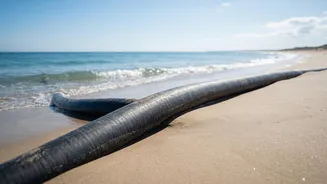
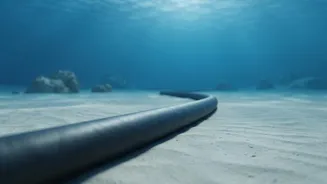
More than 97% of the world's internet and data traffic is carried by a network of submarine fibre optic cables resting on the ocean floor. For India, this infrastructure is not just important; it is the fundamental enabler of its modern economy. From
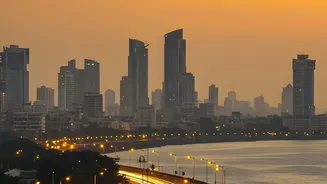
the billions of UPI transactions processed monthly to the booming IT services export industry and the cloud computing backbone used by businesses nationwide, nearly every aspect of Digital India depends on these undersea connections. There are approximately 17 to 19 international submarine cables that connect India to the global internet. These cables are operated by a consortium of telecom giants and land in a handful of cities, including Chennai, Kochi, and Tuticorin. However, a staggering concentration of this critical infrastructure is located in one area: a small stretch of coast near Versova, Mumbai, where the bulk of India's data connectivity makes landfall.
A Concentration of Risk
The clustering of so many vital cables in a single geographic location presents a significant strategic vulnerability. Any disruption in this specific area—whether from a ship's anchor accidentally dragging across the seabed, a natural disaster like an undersea landslide, or even sabotage—could have an outsized impact on the entire country. A single cable cut can degrade internet performance, but a simultaneous failure of multiple cables near Mumbai could lead to severe, widespread disruptions. This would manifest as dramatically slower internet speeds, constant buffering on streaming services, unreliable video conferencing, and significant delays for businesses relying on cloud platforms and international financial transactions. As India's reliance on its digital infrastructure deepens, the consequences of such an outage become increasingly severe, affecting everything from stock markets to national security communications.
The Bureaucratic Bottleneck
The problem is compounded by a slow and complex regulatory process for repairing damaged cables. India currently has no domestically flagged cable repair ships. This means that for any repair work needed within India's maritime zones, the country is entirely dependent on specialised foreign vessels, which are typically based in Singapore or Dubai. Before these foreign-flagged ships can begin work, they must navigate a maze of bureaucratic clearances from multiple government authorities. This includes obtaining a 'cabotage' license from the Director General of Shipping, which is required for foreign vessels operating in Indian coastal waters. This process was designed to protect the domestic shipping industry, but in a sector where no domestic alternative exists, it serves mainly as a source of delay. The need for permits from various ministries can prolong the start of repair work by weeks, and in some cases, even longer.
A Race Against the Clock
While digital data moves at the speed of light, ship repairs move at the speed of paperwork. Every day a cable remains severed, the economic and social costs mount. The daily cost of a repair operation can be substantial, but the cost of the disruption to the economy is far greater. Recent global events, such as the cable cuts in the Red Sea, have already demonstrated how fragile these connections can be, leading to increased latency and rerouted traffic for Indian users. Experts warn that the time taken to get a foreign repair vessel on-site and cleared for work creates a dangerous window of vulnerability. While a single cut might be manageable by rerouting traffic, a coordinated or accidental multi-cable incident near a chokepoint like Mumbai would test the resilience of India's entire digital ecosystem. This mismatch between our high-speed digital ambitions and the analogue pace of maritime regulation is a critical issue that needs addressing.