





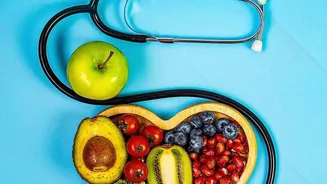

The joyous lights of Diwali have dimmed, leaving behind happy memories and, for many, the sluggish feeling of festive overindulgence. After days of feasting on sweets and fried foods, it's time for a gentle, cardiologist-approved reset.
Understanding the Post-Festive Slump
The week after
Diwali often comes with a collective sense of lethargy, bloating, and digestive discomfort. This isn't just in your head. Festive foods are typically high in refined sugars, unhealthy fats, and salt, which can overwhelm your digestive system. This overload can lead to bloating, indigestion, fatigue, and even skin breakouts. Your body has to work harder to process these heavy meals, which disrupts your gut's delicate balance and can leave you feeling run down. The key to recovery isn't a punishing crash diet but a mindful return to nourishing foods that support your body's natural detoxification processes.
Fibre: Your Digestive System's Best Friend
After a period of rich foods, fibre is crucial for getting your digestive health back on track. Think of it as a natural cleansing agent for your gut. Soluble and insoluble fibres help add bulk to stool, which promotes regular bowel movements and helps clear out the waste left behind by heavy meals. This process can significantly reduce bloating and constipation. Furthermore, fibre helps stabilise blood sugar levels, which often spike after consuming too many sweets. By slowing down digestion, high-fibre foods help you feel fuller for longer, curbing the urge to snack on leftover festive treats.
Embrace a Rainbow of Vegetables
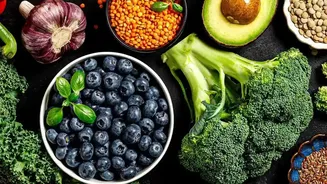
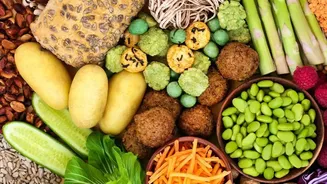
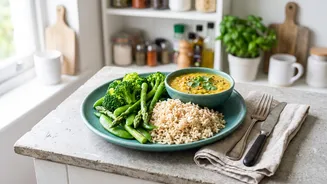
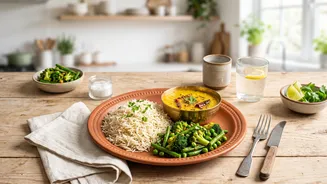
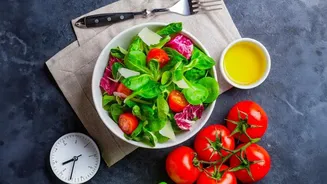
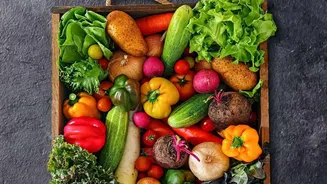
Making vegetables the star of your post-Diwali plate is one of the best things you can do. Cardiologists and dietitians recommend filling at least half your plate with colourful vegetables. Leafy greens like spinach and kale are packed with nutrients and chlorophyll to support detoxification. Cruciferous vegetables such as broccoli, cauliflower, and Brussels sprouts are excellent choices as they contain compounds that help support liver function. Other beneficial options include gourds, carrots, and bell peppers, which provide essential vitamins and antioxidants to help your body recover and reduce inflammation.
Simple Ways to Boost Your Fibre Intake
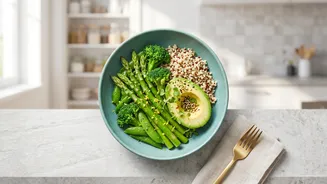
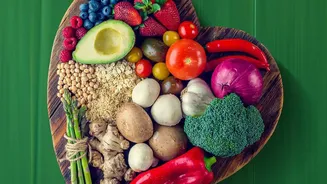
Increasing your fibre intake doesn't have to mean eating boring salads. Start your day with whole grains like oats or a wrap with plenty of vegetables. Incorporate legumes like beans, lentils, and chickpeas into your lunches and dinners; they are fantastic sources of both fibre and plant-based protein. Snacking on fruits like apples, berries, and pears is another easy way to add fibre. You can also add ground flaxseeds or chia seeds to your yoghurt or smoothies for an extra boost that aids digestion without altering the taste.
The Critical Role of Hydration
Eating more fibre without drinking enough water can actually make digestive issues worse. Water is essential for helping fibre do its job effectively, flushing out toxins and excess sodium that contribute to bloating. Aim to drink at least 2–3 litres of water throughout the day. Starting your morning with a glass of warm water, perhaps with a slice of lemon, can help kickstart your metabolism. Herbal teas like ginger, peppermint, or chamomile are also excellent choices for soothing the digestive system and staying hydrated.
A Gentle Return to Routine
It is important to remember that this is a recovery, not a punishment. Experts advise against extreme 'detox' plans or crash diets, which can be counterproductive. Instead, focus on reestablishing a balanced routine. Eat your meals at regular times to help your digestive system find its rhythm. Incorporate gentle movement, like a $20–30$ minute walk, which aids digestion and helps you feel more energized. The goal is to nourish your body with whole foods and be kind to yourself as you transition back to your normal, healthy habits after a period of well deserved celebration.