






Why Conversations Freeze Over
Think about the last time you felt a conversation become rigid. Chances are, you were in a situation governed by unspoken rules and expectations. Formality, while sometimes necessary, often builds walls. We become more guarded, worried about saying the wrong
thing, and focus more on managing impressions than on actually connecting. This social stiffness can be exhausting, and it prevents the free-flow of ideas and emotions that characterises our most rewarding relationships. At its core, this formality triggers a mild stress response, making us less creative and open in our communication. Breaking this cycle doesn't require a lengthy, deep discussion; it often just requires a simple shift in mood.
The Science of Play and Connection
This is where play comes in. Research shows that play is a powerful tool for adults, not just children. Engaging in a playful activity, even for a few minutes, can trigger the release of endorphins, the body's natural feel-good chemicals. This helps to relieve stress and promotes an overall sense of well-being. More importantly, shared laughter and fun can foster empathy, compassion, trust, and intimacy. When we play, we are signalling to each other that the environment is safe. This sense of safety lowers our social inhibitions and allows for more spontaneous and authentic interaction. Psychologists note that play is a catalyst for positive socialisation, helping to break down barriers and improve our relationships with others.
What 'Play' Looks Like for Adults
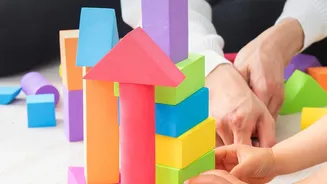
When we talk about 'play' for adults, it's not necessarily about building blocks or playing hide-and-seek (though it can be!). Play is better defined as a state of mind or an activity done for its own sake, focused on enjoyment rather than a specific goal. It could be sharing a funny joke with a colleague, collaborating on a quick doodle during a brainstorming session, or playing a simple word game on your phone with a friend. Flirting, for instance, is a classic example of playful communication in adult interactions. Other examples include trying a new recipe together, going for a bike ride with no destination, or even just being silly for a moment. The key is that the activity is light-hearted, voluntary, and creates a shared, positive experience.
Putting Play to Work
In a professional setting, incorporating play can transform team dynamics. Starting a meeting with a quick, non-work-related question (like "What's the best thing you ate this week?") can instantly make the atmosphere less formal. Using collaborative tools for a five-minute brainstorming game can spark creativity before diving into the main agenda. These small acts build rapport and trust among colleagues, leading to better cooperation and problem-solving. When team members feel more connected on a personal level, they are more likely to communicate openly and support each other through challenges.
Bringing Playfulness Home
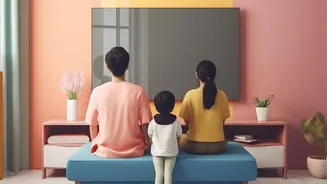
At home, play is a powerful tool for strengthening bonds. With a partner, it can be the antidote to the monotony of routine, helping to heal disagreements and keep the relationship fresh. Instead of having another serious talk about chores, try turning it into a game. With family, especially across different generations, a shared game of cards or charades can bridge communication gaps that conversation alone cannot. It puts everyone on a level playing field and creates shared memories. These playful interactions reinforce the message that your relationship is about more than just managing a household; it's about enjoying each other's company.