
Glaciers as Conveyor Belts
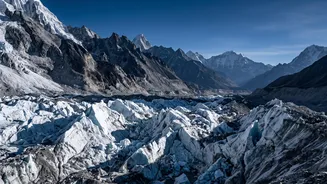
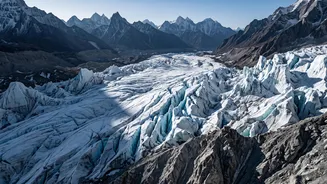
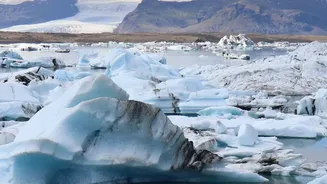
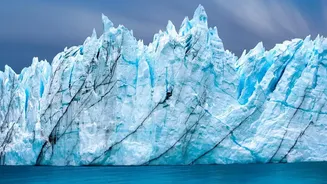
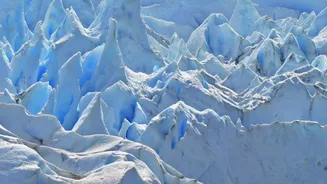
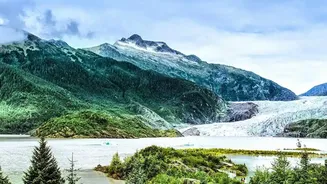
Think of a glacier not just as a mass of ice, but as a slow-moving river of ice that acts like a powerful bulldozer and conveyor belt. As glaciers grind their way down mountain valleys, they scrape and pluck rocks, soil, and all sorts of sediment from
the valley floor and sides. This collection of rock and debris is known as moraine. For centuries, this material is carried along within or on top of the ice. As a glacier melts and retreats, it can no longer hold this heavy load, so it dumps the debris in large piles, often forming ridges at its front end or along its sides.
The Formation of a Natural Dam
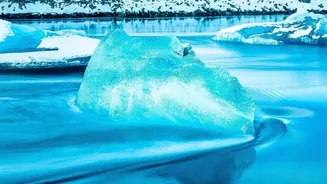
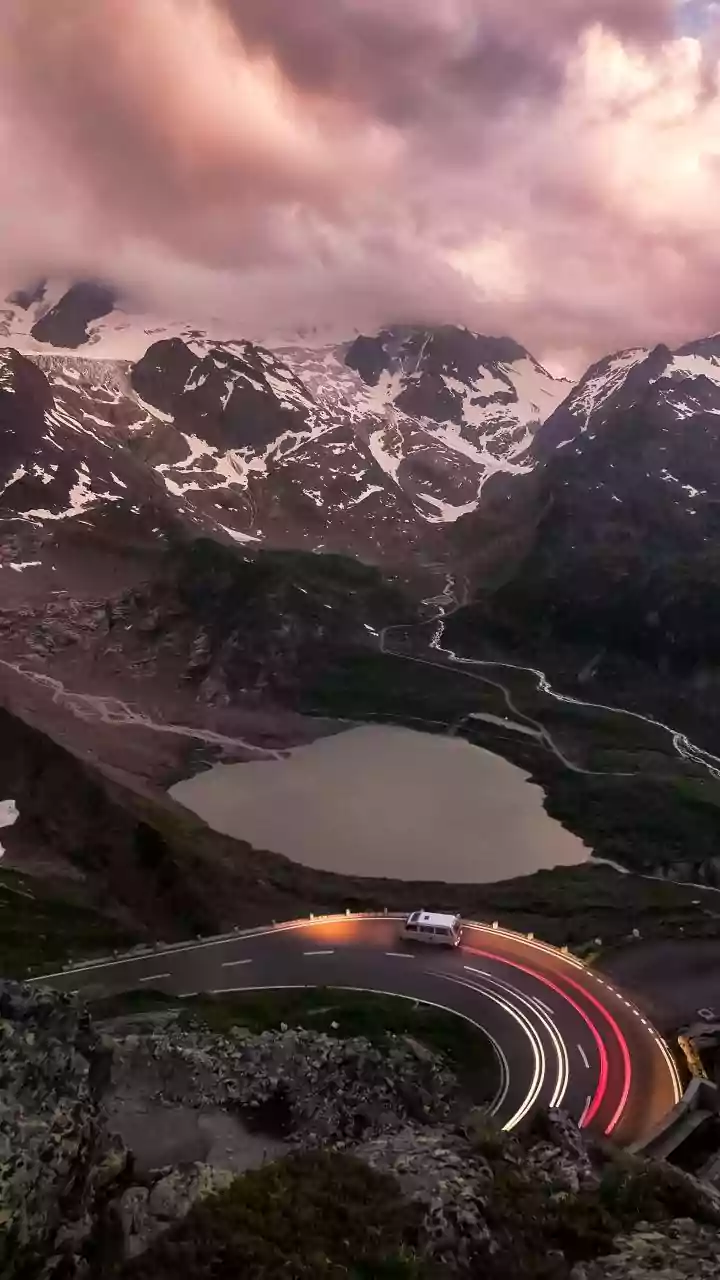
When a glacier retreats from a valley, it can leave behind a massive ridge of moraine that acts as a natural dam. This wall of unconsolidated boulders, gravel, sand, and clay blocks the valley. Behind this fragile barrier, meltwater from the shrinking glacier, along with rainwater, begins to collect. Over years or decades, this can form a large and deep body of water known as a glacial lake. The Himalayas are home to thousands of these lakes, many of which have formed relatively recently as regional temperatures have risen. These lakes, held back only by a loose pile of debris, represent a significant and growing hazard.
A Dam on the Brink of Collapse
Unlike concrete dams built by engineers, a moraine dam is inherently unstable. It's essentially a heap of loose earth and rock. Its structure can be weakened by water seeping through it, a process known as piping, which erodes the dam from the inside. Some moraine dams also contain cores of ice, which can melt over time, causing the structure to slump and weaken further. As the lake behind the dam grows larger and deeper, the pressure on this unstable barrier increases relentlessly, pushing it closer to its breaking point.
The Trigger That Unleashes the Flood
All that is needed for a catastrophe is a trigger. This can come in many forms. A large chunk of the glacier falling into the lake can create a massive wave that overtops the dam, similar to dropping a huge stone into a full bathtub. An earthquake, a common occurrence in mountainous regions, can shake the dam apart. Intense rainfall can rapidly raise the lake level, causing it to spill over the top. Even a rock or snow avalanche from the steep valley walls can be enough to displace a huge volume of water and initiate the dam's failure. Once the water starts flowing over the top, it quickly erodes the loose material of the moraine dam.
The Devastating Outburst Flood
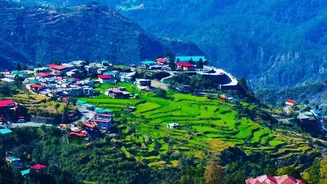
The failure of a moraine dam is not a slow leak; it is a catastrophic breach. The initial overflow carves a channel into the dam, which allows more water to escape. This escaping water has the power to cut the channel deeper and wider, which in turn releases even more water in a dangerous feedback loop. This event, known as a Glacial Lake Outburst Flood (GLOF), sends a wall of water, mud, and boulders hurtling down the valley at immense speeds. The flood can be many times larger than a normal river flood, carrying enough force to obliterate villages, roads, bridges, and hydropower projects miles downstream.
A Growing Threat in the Himalayas
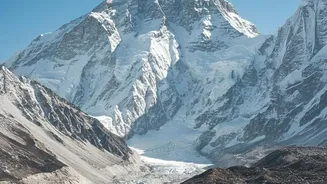
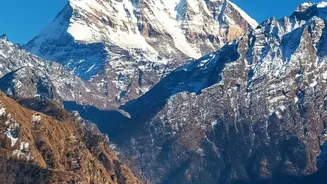
The Hindu Kush Himalaya region is particularly vulnerable to GLOFs. Glaciers here are melting faster than in previous decades, leading to the rapid expansion and formation of new glacial lakes. Events like the devastating flash flood in Nepal in August 2026, which initial reports suggest involved a glacier collapse and potential river blockage, serve as a terrifying reminder of these dangers. A 2023 study found that 15 million people globally are at risk from GLOFs, with a significant portion living in India, Nepal, and Pakistan. As the climate continues to warm, the threat posed by these unstable glacial lakes is expected to rise, making monitoring and early warning systems more critical than ever.