







The Familiar Agony of a Good Workout
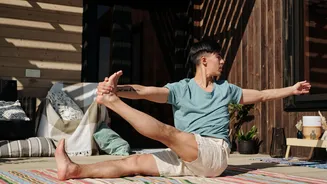
It’s called Delayed Onset Muscle Soreness, or DOMS, and it’s the price we often pay for pushing our bodies. That deep ache that sets in 24 to 48 hours after an intense or new exercise routine is the result of microscopic tears in your muscle fibres. This
damage triggers inflammation and the subsequent stiffness and pain that can make walking downstairs a genuine challenge. While it’s a normal part of getting stronger, the severity of DOMS can vary wildly. It turns out, how you feel post-workout has less to do with your pain tolerance and more to do with what happens when your head hits the pillow.
Your Body's Nightly Repair Crew
Sleep isn't a passive state of rest; it's an active and critical period for physical restoration. When you enter the deeper stages of non-REM sleep, your body gets to work. Blood flow to your muscles increases, delivering the oxygen and nutrients necessary for healing. Most importantly, this is when your pituitary gland releases a surge of Human Growth Hormone (HGH). HGH is the star player in muscle repair, stimulating protein synthesis and the rebuilding of tissue that was broken down during exercise. Without this crucial hormonal release, the recovery process slows down significantly, leaving your muscles damaged for longer.
The Double Impact of Poor Sleep
When you skimp on sleep, two things happen that make soreness feel much worse. First, your body’s ability to physically repair itself is compromised. A lack of deep sleep means less HGH is released, which can slow down muscle protein synthesis—the very process that rebuilds your muscles stronger. One study found that even one night of sleep deprivation can reduce muscle protein synthesis by 18%. Secondly, poor sleep messes with your perception of pain. Research has shown that sleep loss can dramatically lower your pain threshold. Your brain has a natural pain-dampening system, and a lack of sleep can impair its effectiveness significantly, making the same level of soreness feel far more intense. Sleep deprivation also increases levels of cortisol, the stress hormone, which promotes muscle breakdown and inflammation.
Quality Over Quantity: The Sleep You Need
Logging eight hours in bed doesn’t automatically guarantee good recovery if the quality of that sleep is poor. The most restorative work happens during deep sleep, which occurs in cycles throughout the night. Fragmented sleep, frequent waking, or failing to reach these deeper stages means you miss the peak window for HGH release and muscle repair. Factors like alcohol, caffeine too late in the day, and exposure to blue light from screens before bed can disrupt these crucial sleep cycles. The goal isn't just to be unconscious for a set number of hours, but to allow your body to cycle through the stages it needs to fully recover. Most adults should aim for seven to nine hours of quality sleep per night for optimal recovery.
Actionable Steps for Recovery-Boosting Sleep
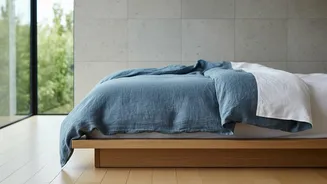
Treating sleep as a part of your training plan can transform your results and how you feel. Start by establishing a consistent sleep schedule, even on weekends, to regulate your body's internal clock. Create a sleep sanctuary: a cool, dark, and quiet room. Avoid caffeine in the afternoon and evening, and limit alcohol, as it can disrupt deep sleep later in the night. Develop a relaxing pre-sleep routine, such as reading a book, gentle stretching, or meditation, to signal to your body that it's time to wind down. Finally, switch off screens at least an hour before bed. The blue light they emit can suppress melatonin, the hormone that controls your sleep-wake cycle.