






Fennel and lemon are a classic culinary duo, a match of bright acidity and fresh, anise-like sweetness. But this perfect baseline is just the beginning. Introducing a third element—a citrusy herb—can elevate the pair from simply good to truly spectacular.
The Perfect Foundation
Fennel, whether served raw and shaved or roasted until tender, possesses a distinct, mildly sweet flavour reminiscent of licorice or anise. This unique taste can be polarizing, but it’s precisely what makes it such a dynamic ingredient. When paired with the sharp, clean acidity of lemon, a beautiful balance is struck. The lemon cuts through the fennel’s sweetness, brightening its profile and making the entire dish feel fresh and vibrant. This combination is beloved in countless Mediterranean dishes, from simple side salads to accompaniments for roasted fish and chicken. It’s a canvas that is both complete on its own and yet perfectly receptive to new layers of flavour.
Dill: The Obvious, Excellent Choice
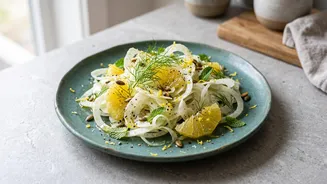
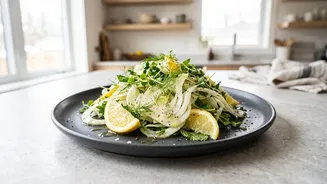
If there is one herb that feels born to join the fennel and lemon party, it’s dill. With its feathery fronds and clean, slightly grassy flavour, dill shares aromatic notes with fennel while bringing its own gentle character. It doesn’t compete; it complements. The combination is particularly magical in raw preparations. A simple shaved fennel salad tossed with lemon juice, olive oil, and a generous handful of fresh, chopped dill is a lesson in elegant simplicity. The pairing also shines with seafood. Roasting fennel wedges with lemon and dill before placing a piece of salmon on top creates a multi-layered dish where the flavours infuse from all sides.
Tarragon: A Sophisticated Twist
For a slightly more complex and sophisticated profile, tarragon is an exceptional choice. Like fennel, tarragon carries its own subtle anise note, but it’s warmer and has a peppery-minty background. This creates a deeper, more resonant flavour harmony. When used with fennel and lemon, tarragon adds a touch of classic French elegance. It works beautifully in a vinaigrette to dress a fennel salad or as part of a braising liquid for chicken or white fish like cod. The licorice notes of both herbs meld together, while the lemon keeps the overall taste bright and prevents the anise flavours from becoming overwhelming.
Coriander: A Bright and Nutty Surprise
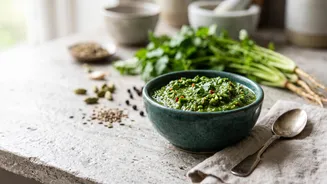
While fresh coriander leaf (cilantro) can be divisive, coriander seeds offer a completely different experience. When toasted and lightly crushed, the seeds release a warm, nutty, and distinctly citrusy aroma, often described as having notes of orange. This makes them a fantastic and unexpected partner for fennel and lemon. Sprinkling crushed coriander seeds over fennel as it roasts adds a textural crunch and a layer of aromatic warmth that lemon alone can't provide. The citrus notes in the coriander echo the fresh lemon, creating a more rounded and robust citrus flavour throughout the dish. This combination is especially good in heartier preparations, like roasted fennel served alongside pork or in a spiced grain salad.
Lemon Verbena: The Ultimate Citrus Boost
For those who want to double down on the citrus element, lemon verbena is the ultimate secret weapon. This herb doesn’t just have hints of lemon; its fragrance is intensely and purely citrusy. Unlike the sharp acidity of lemon juice, lemon verbena provides a fragrant, floral lemon essence without the tartness. Using it with fennel and lemon creates a dish that is bright on multiple levels. The herb is potent, so a little goes a long way. Finely chopping a few leaves and whisking them into a lemon vinaigrette or stuffing a few sprigs inside a whole fish with slices of fennel and lemon before roasting will infuse the entire dish with an intoxicating citrus aroma.