




The Mid-2027 Target
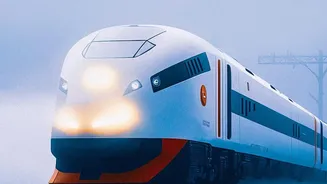
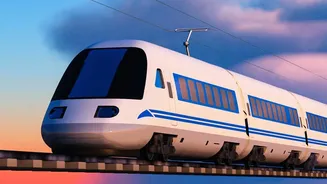
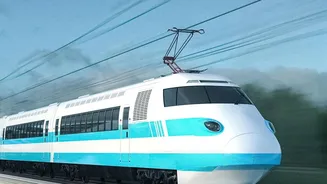
The new timeline comes directly from Railway Minister Ashwini Vaishnaw, who confirmed that India's first indigenously built high-speed train is expected to hit the tracks for testing by May or June 2027. This isn't a full-route launch, but a crucial trial
run on a completed section of the 508-kilometre corridor. Officials have indicated that the first stretch likely to be commissioned is between Surat and Bilimora in Gujarat. Following a testing period of two to four months, the service is expected to be opened to the public, finally bringing the dream of high-speed rail travel in India closer to reality. While the entire corridor is projected to be fully functional by 2029, this initial service in 2027 is a significant milestone.
From Blueprint to Concrete Progress
This announcement is backed by substantial physical progress on the ground, particularly in Gujarat. According to the National High Speed Rail Corporation Limited (NHSRCL), the agency implementing the project, major construction goals have been met. As of late 2026, work on over 453 kilometres of piers and 359 kilometres of viaducts—the elevated structures that carry the tracks—has been completed. The project has transitioned from being purely a civil construction story to a multi-layered execution phase, with track laying and electrical work now happening simultaneously. More than 215 kilometres of the reinforced concrete track bed have been prepared, and several river bridges, including an iconic one over the Narmada River, are finished. This tangible progress is a key reason why the 2027 timeline is being viewed with confidence.
Overcoming the Maharashtra Hurdles
The project's journey has not been without significant challenges, most notably the delays caused by land acquisition issues in Maharashtra. For years, progress on the Gujarat side outpaced its counterpart, creating a bottleneck for the cross-state corridor. However, recent developments show a major turnaround. With a new government in place in Maharashtra providing strong support, land acquisition hurdles have been largely cleared. Work is now in full swing in the state, including the construction of a 135-kilometre elevated stretch through varied terrains in Thane and Palghar. This section involves building numerous bridges and even India's first undersea rail tunnel, a complex engineering feat connecting Bandra-Kurla Complex with Thane. The accelerated pace in Maharashtra is critical to linking the entire route and realising the full benefit of the corridor.
Shinkansen Technology, Made for India
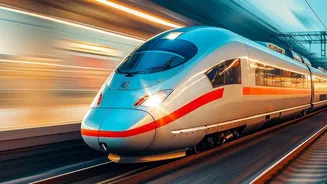
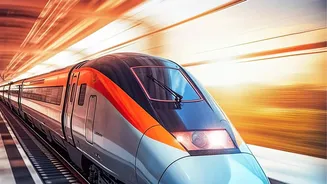
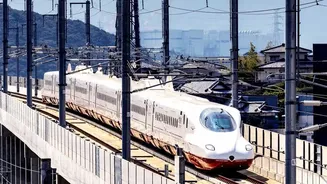
At its heart, the project uses Japan's world-renowned Shinkansen technology, known for its impeccable safety record and punctuality. While Japan will eventually provide its next-generation E10 series Shinkansen trains in the 2030s, an agreement has been reached to begin initial services with Indian-made high-speed trains to avoid delays. This 'Make in India' approach extends to construction, where Indian engineers and companies are gaining invaluable experience in high-speed rail technology. The trains are being adapted for Indian conditions, and the first body frame of an indigenous bullet train was recently completed and sent for structural testing, a critical step before manufacturing can scale up.
What It Means for Travellers
Once fully operational, the bullet train will be a game-changer for travel between India's financial capital and one of its major commercial hubs. Operating at speeds of up to 320 km/h, the train is expected to cut the journey time from over seven hours to just under two hours for the fastest service. This will not only offer a faster, safer, and more reliable alternative to road and air travel but is also expected to spur economic development along the entire corridor. Stations are being designed as multi-modal hubs, integrating different forms of transport and creating new centres of commercial activity. The project stands as a benchmark for future high-speed corridors planned across the country.