





Why Patch Testing Is Your Skin's Best Friend
Patch testing is the crucial step of applying a small amount of a new product to a discreet area of skin to see how it reacts before you commit to using it all over your face. Its main purpose is to check for two types of adverse reactions: irritant contact
dermatitis, which is a direct irritation from an ingredient, and allergic contact dermatitis, an immune system response that can take hours or days to appear. By isolating the test to a small spot, you can identify potential allergens or irritants without risking widespread redness, peeling, or breakouts. This simple process not only protects your skin but also saves you time and money on products that aren’t a good match for you.
How to Patch Test: A Simple Step-by-Step Guide
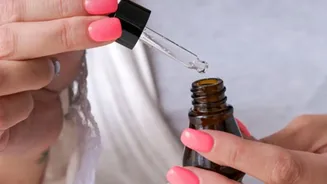
According to the American Academy of Dermatology, the process is straightforward. First, choose a discreet, coin-sized test spot where the product won't be easily rubbed or washed off, like your inner forearm, the bend of your elbow, or just behind your ear along the jawline. Apply a small, pea-sized amount of the product to the clean, dry test area. For leave-on products like serums or moisturisers, let it sit for at least 24 to 48 hours. For rinse-off products like cleansers, follow the package instructions, leaving it on for the recommended time before washing it off. To be thorough, especially for those with sensitive skin, it's recommended to repeat this process twice daily for 7 to 10 days to check for delayed reactions. If you see any redness, itching, swelling, or blistering, wash the area immediately and stop using the product.
The 'Safe' Zone: Simple, Moisturising Ingredients
The second part of the equation is understanding what's inside your products. Simple moisturisers are often considered safer because their primary job is to support the skin's natural barrier. This barrier is your skin's first line of defence, keeping moisture in and irritants out. Ingredients like ceramides, hyaluronic acid, glycerin, and petrolatum are excellent for this. Ceramides are lipids that act like the 'mortar' between your skin cell 'bricks,' while humectants like glycerin and hyaluronic acid draw water into the skin. Occlusives, such as petrolatum, form a protective seal to prevent that moisture from escaping. A well-formulated moisturiser with these ingredients doesn't just hydrate; it actively helps repair and maintain a resilient, healthy skin barrier, making it less prone to reactions.
The 'Caution' Zone: Aggressive Acids and Scrubs
On the other end of the spectrum are 'aggressive' ingredients, which include physical scrubs and potent chemical exfoliants like Alpha-Hydroxy Acids (AHAs) and Beta-Hydroxy Acids (BHAs). While effective for smoothing skin and clearing pores, these products work by removing dead skin cells and can be harsh. Over-exfoliating by using them too often or using formulas that are too strong can strip the skin's natural oils and compromise its protective barrier. This damage can lead to increased sensitivity, chronic dryness, redness, and even more breakouts. Other common irritants to watch for include fragrances (parfum), certain preservatives, and drying alcohols, which are frequent culprits in causing contact dermatitis. Even 'natural' products can cause reactions, as many essential oils and botanical extracts are known allergens.