









The Gospel of Nolan
For decades, Christopher Nolan has been more than a director; he's been a fierce advocate for the magic of the theatrical experience. In an era dominated by streaming and digital convenience, Nolan champions the power of physical film. His movies, from
The Dark Knight to Oppenheimer, are crafted not just to be seen, but to be felt on the largest screens possible. He argues that certain formats provide an immersion that television screens simply cannot replicate. His latest project, The Odyssey, an adaptation of Homer's epic starring Matt Damon, is the ultimate expression of this philosophy, becoming the first feature film to be shot entirely using IMAX film cameras.
Decoding the 'Custom Gear'
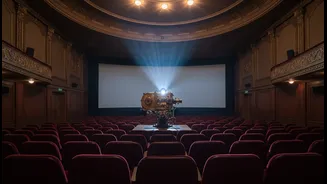
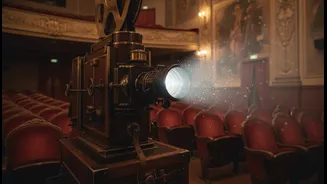
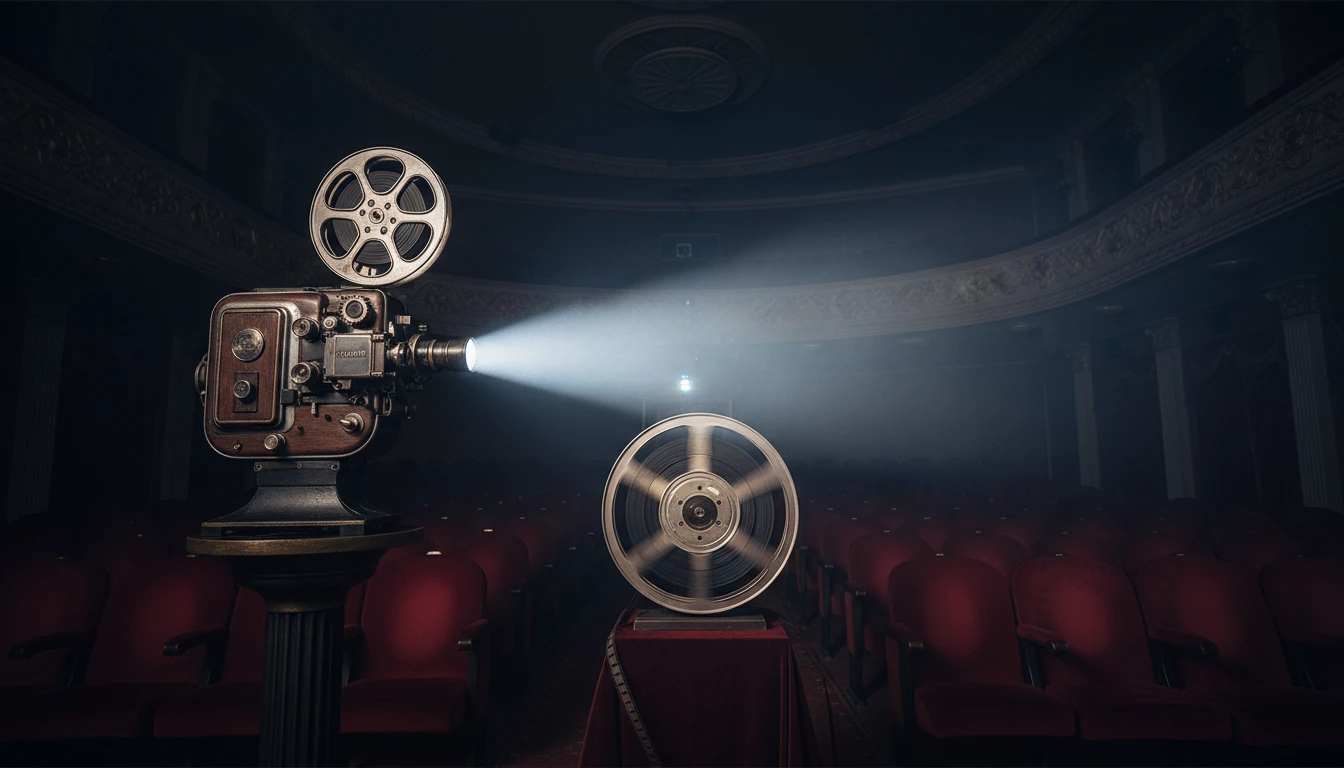
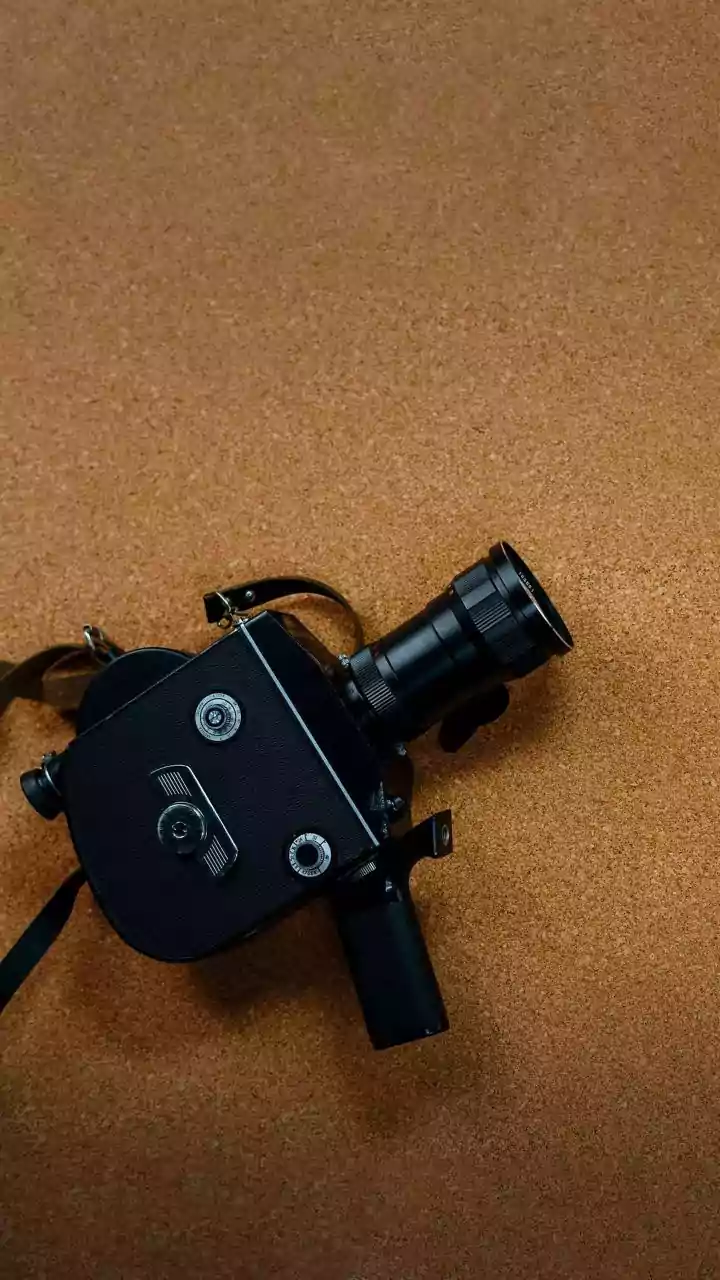
So, what is this exclusive equipment mentioned in the headline? It’s not a new type of surround sound or a special brand of popcorn. It's the IMAX 15/70mm film projector. To put that in perspective, a standard 35mm film frame is smaller than a postage stamp. The IMAX 15/70 frame, however, is enormous—about nine times larger. It runs through the projector horizontally, and each frame is 15 perforations wide, hence the name "15/70." This massive negative captures an image with breathtaking detail, equivalent to a digital resolution of 16K or even 18K. It creates an image so clear and vast, especially on a screen that can be six stories high, that it fills your peripheral vision, creating a powerful sense of immersion.
Why Is This Technology So Rare?
If 15/70mm IMAX is so spectacular, why don't more theaters have it? The answer is a mix of cost, complexity, and the relentless march of digital technology. In the early 2010s, most cinemas worldwide switched to digital projection, which is cheaper, easier to manage, and more flexible. An IMAX film projector, by contrast, is a mechanical beast. The platters that hold the film are huge, and a feature-length film like Oppenheimer weighed around 600 pounds. These systems require specially trained, highly skilled projectionists—a profession that has become a lost art. Maintaining these projectors is also a significant expense, something most commercial multiplexes have opted to avoid in favor of more practical digital systems.
The Magic Number: Is It Really 41?
The headline's claim of 41 theaters is specific and, as of mid-2026, appears to be accurate. For Nolan's previous film, Oppenheimer, the number of theaters capable of this projection was closer to 30. However, the massive success and demand for that film's premium format screenings spurred investment. Cinema chains like Cinemark announced they would be building new 15/70mm-capable theaters and upgrading others specifically in time for The Odyssey's release in July 2026. While the number is still incredibly small compared to the thousands of screens worldwide, this small but significant increase shows a renewed interest from both audiences and exhibitors in preserving this unique cinematic format. These 41 venues are now the pilgrimage sites for die-hard cinephiles.
Is the Experience Worth the Effort?
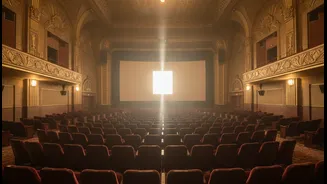
For those lucky enough to live near one of these select theaters, the experience is unlike any other. Nolan films his movies to take full advantage of the 1.43:1 aspect ratio that only this format provides. On a standard widescreen, that image is cropped, meaning you are literally not seeing the full picture the director composed. In a true IMAX 70mm theater, the screen towers over you, and the sheer scale and clarity of the image create a physical sensation. It’s an answer to the question, "Why go to the movies?" when home theaters are so advanced. It delivers a spectacle that simply cannot be replicated, turning a movie into a memorable, once-in-a-lifetime event.