
The Foundation: Classic Rava Upma
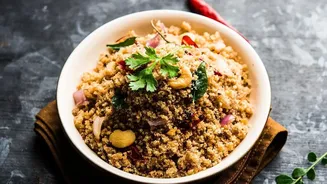
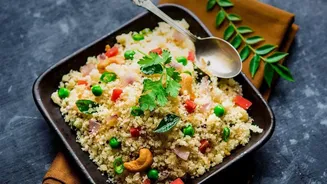
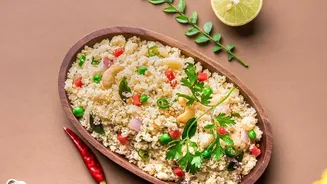
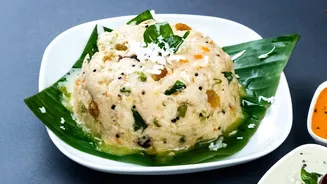
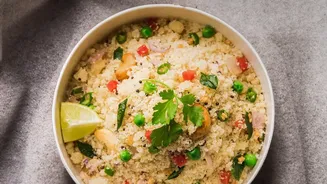
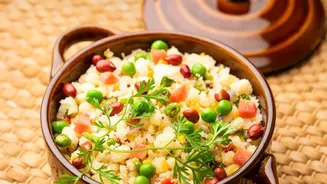
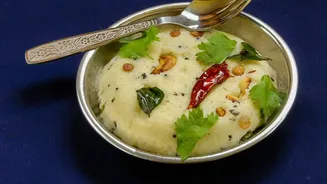
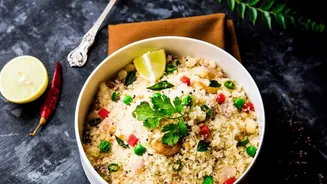
This is the upma that most of India knows and loves. Originating in the South, its popularity has spread nationwide. Made from dry-roasted semolina (rava or sooji), it’s a masterclass in simple, balanced flavours. The process begins with tempering mustard
seeds, urad dal, and chana dal in hot oil or ghee, followed by sautéed onions, ginger, and green chillies. Sometimes, a handful of cashews are added for a rich crunch. Water is then added, brought to a boil, and the roasted rava is slowly stirred in to prevent lumps, creating a fluffy, porridge-like consistency. Garnished with fresh coriander and a squeeze of lime, it’s a humble, quick, and deeply satisfying meal that forms the canvas for countless variations.
The Spicy Sibling: Karnataka’s Kharabath
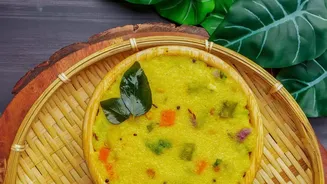
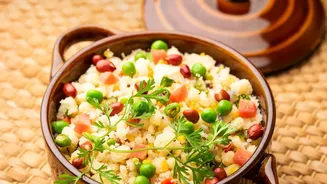
In Karnataka, particularly in Bangalore, upma often goes by the name Kharabath. While it looks similar to the classic version, it packs a significantly more complex and spicy punch. The secret lies in a special masala powder, often a home-ground version of 'vangi bath' powder, which includes spices like cinnamon, cloves, and coriander seeds. This version is also frequently loaded with finely chopped vegetables like carrots, beans, and capsicum. The result is a dish that's not just a simple breakfast but a full-fledged flavour explosion, often served alongside a sweet counterpart called 'Kesari Bath'—a combination famously known as 'Chow Chow Bath'.
The Tangy Twist: Tomato Upma
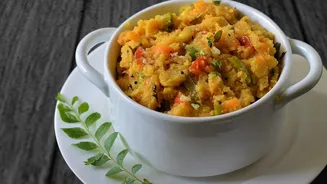
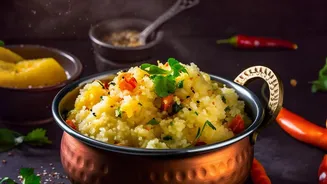
Popular in Andhra Pradesh and Tamil Nadu, Tomato Upma (or Thakkali Upma) gives the humble breakfast a vibrant colour and a delightful tangy flavour. Here, ripe, juicy tomatoes are the star of the show. They are sautéed with the onions and spices until they become soft and pulpy, releasing their flavour into the base before the water and rava are added. This infusion gives the entire dish a reddish-orange hue and a taste profile that is savoury with a distinct, pleasant sourness. It’s so flavourful that it rarely needs any accompaniment, though a simple coconut chutney or a dollop of pickle can elevate it further.
The Fasting Favourite: Maharashtrian Sabudana Upma
Moving away from semolina entirely, Maharashtra offers Sabudana Upma, also known as Sabudana Khichdi. Made from tapioca pearls (sago), this dish has a unique, chewy texture. It's a popular choice during religious fasting periods (vrat or upvas) as it contains no grains. The tapioca pearls are soaked beforehand until they are soft and then tossed with a tempering of cumin seeds, green chillies, boiled potatoes, and, crucially, roasted and coarsely crushed peanuts. The peanuts provide a wonderful crunch that contrasts perfectly with the soft, pearly sabudana. A generous squeeze of lemon juice and a garnish of fresh coriander at the end ties all the flavours together.
The Quick Alternative: Aval Upma
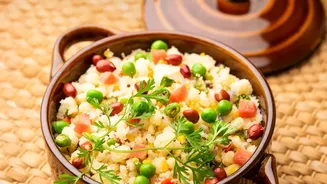
Known as Aval Upma in Tamil Nadu and Atukula Upma in Andhra Pradesh, this version uses flattened rice (poha) as its base. It's an incredibly quick dish because the flattened rice requires no cooking in the traditional sense; it just needs to be briefly washed and soaked to soften. The soft aval is then added to a tempering of mustard seeds, lentils, onions, and spices. It’s lighter than rava upma and can be made in under 20 minutes, making it a go-to for busy mornings. Different regions add their own touches, from potatoes and peanuts to grated coconut, making it another versatile staple.
The Modern Makeover: Bread Upma
A testament to Indian culinary ingenuity, Bread Upma is a popular dish in canteens and homes across the country, perfect for using up leftover bread. Cubes of bread are tossed into a spicy and tangy mixture of tempered spices, onions, and tomatoes, much like a traditional upma base. The bread soaks up all the delicious flavours, transforming into soft, flavour-packed morsels. While any bread works, heartier, slightly stale bread holds its shape best. It's a quick, no-fuss snack or breakfast that delivers the comforting flavours of upma in a completely different texture.