




Start With What You Need to Store
Before you even think about measuring a shelf, the first step is to identify exactly what you need to organize. The items themselves will dictate the ideal basket. Are you storing bulky throw blankets in the living room, small toiletries in the bathroom,
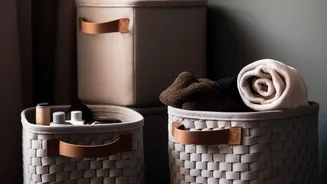
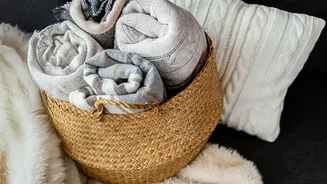
or books and magazines by a chair? Chunky, soft items like blankets and pillows do well in large, open-top baskets. Smaller, disparate items like office supplies or children's toys with tiny parts might require a tighter weave to prevent things from falling through. Grouping similar items together first will give you a clear idea of the volume and type of basket you're looking for, ensuring your solution is functional from the start.
Measure the Space—and the Basket
Once you know what you're storing, it's time to measure the intended space, whether it's an open shelf, a closet, or the area under a console table. Use a tape measure to get the exact width, depth, and height of the space. As a general rule, look for a basket that is slightly smaller than your measurements to ensure an easy fit. Leaving a little bit of 'breathing room'—about two inches between baskets or on the ends of a shelf—creates a more balanced and less cramped look. It's also important to remember that many woven baskets are handmade, so their dimensions can vary slightly. Always account for handles or lids in your measurements unless the product description says otherwise.
Match the Basket to the Room’s Function
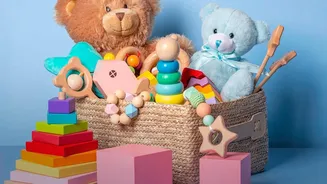
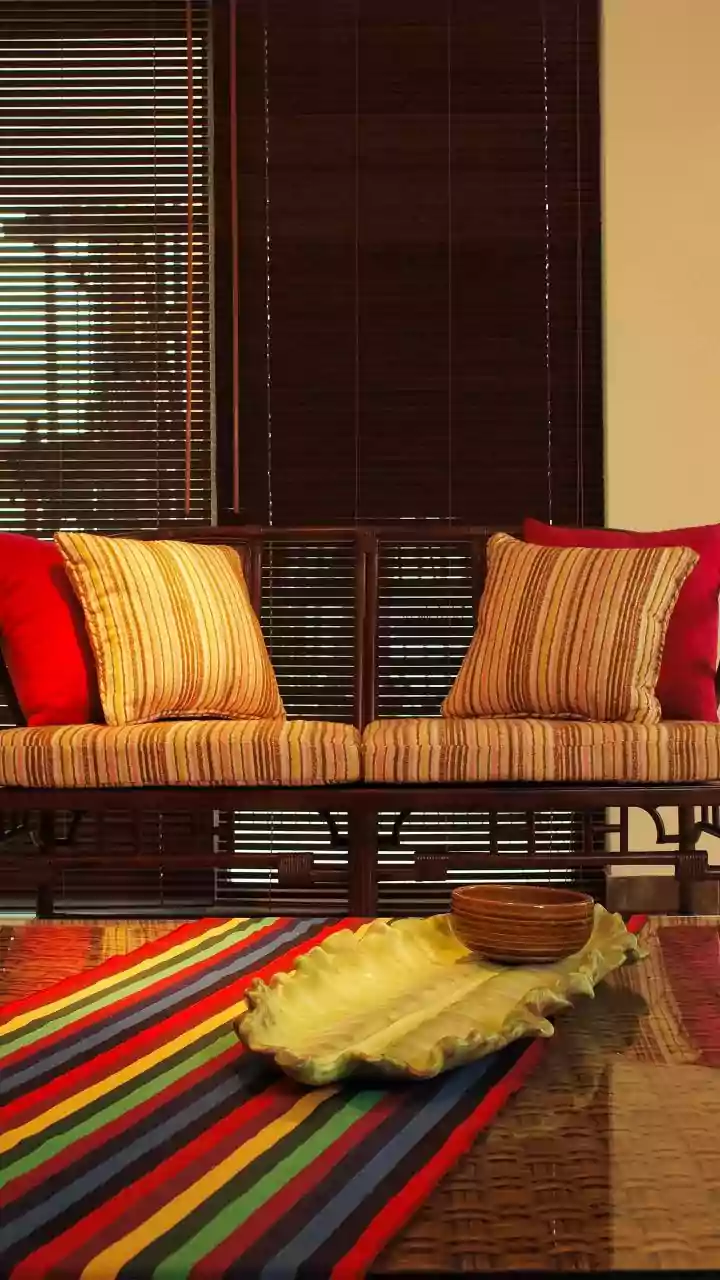
Different rooms have different storage needs. In a living room, a large basket next to the sofa is perfect for blankets, while a smaller one on the coffee table can corral remote controls. For a bathroom, which is a high-moisture environment, consider materials like plastic or resin, or tightly woven natural fibers that can withstand humidity. In a pantry, rectangular baskets are space-efficient for organizing food items on shelves. For a child's playroom, soft-sided or fabric baskets are a great choice because they are safe for kids to handle and can hold a wide variety of toys. Thinking about the room’s specific demands will lead you to a more practical choice.
Consider the Shape and Material
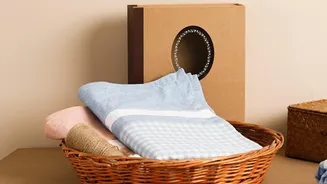
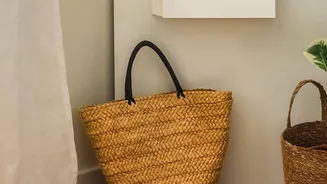
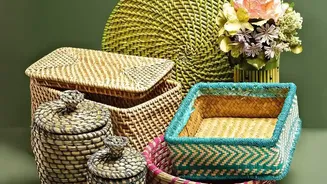
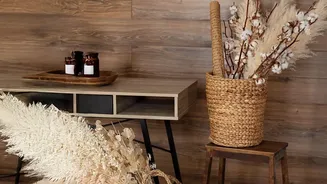
The shape of your basket plays a big role in both its utility and style. Rectangular and square baskets are ideal for fitting snugly into cubbies, closets, and on bookshelves, maximizing your storage space. Round or oval baskets add a softer, more organic feel and work well as standalone pieces for holding laundry or plants. The material also matters. Sturdy materials like rattan are great for heavier items like books. Softer weaves like seagrass or jute add texture and are suitable for linens and decorative items. For items like clothing, a smooth or lined basket is best to prevent snagging.
Think in Sets for a Cohesive Look
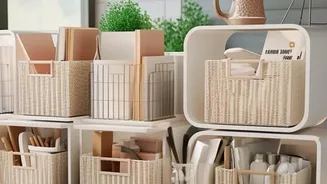
For areas with lots of open shelving, like a bookcase or a large media unit, using a set of identical baskets can create a powerful sense of order and visual calm. This uniformity helps to hide clutter and makes the space feel intentionally designed. You can use matching baskets in different sizes to accommodate various storage needs while maintaining a cohesive look. Using multiple smaller baskets can also be more functional than one very large one, allowing you to categorize items more effectively. Whether you are organizing a pantry, a closet, or a playroom, a matched set of baskets instantly elevates the space from messy to managed.