




A Specialist for a Tricky Problem
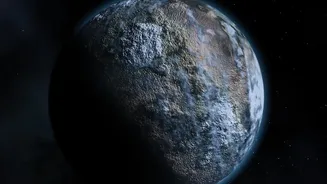
When astronomers study an exoplanet's atmosphere, they watch for the faint dip in light as it passes in front of its star. The starlight that filters through the planet's atmosphere carries chemical fingerprints, revealing clues about its composition.
But there's a catch: stars are not perfect, steady lightbulbs. They have their own activity, like bright spots and dark spots, that can change over time. This stellar activity can create false signals that mimic a planet's atmospheric features or, worse, hide them completely. This issue, known as stellar contamination, makes it incredibly difficult to know for sure if a signal like water vapor is truly coming from the planet or is just an illusion created by its star.
Pandora's Two-Part Vision
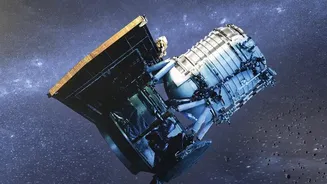
This is where Pandora comes in. As the first mission from NASA's Astrophysics Pioneers program, it is built to tackle this specific problem. Launched in January 2026, the small satellite will stare at 20 pre-selected exoplanets and their host stars for long periods. Its key innovation is observing targets in two kinds of light at the same time. It uses a visible light camera to monitor the star's overall behavior and track its changing spots and brightness. Simultaneously, a near-infrared spectrometer—using a spare detector originally built for the James Webb Space Telescope (JWST)—analyzes the light passing through the planet's atmosphere during a transit. By comparing these two data streams, scientists can cleanly separate the planetary signal from the stellar noise.
A Helper for the Giants
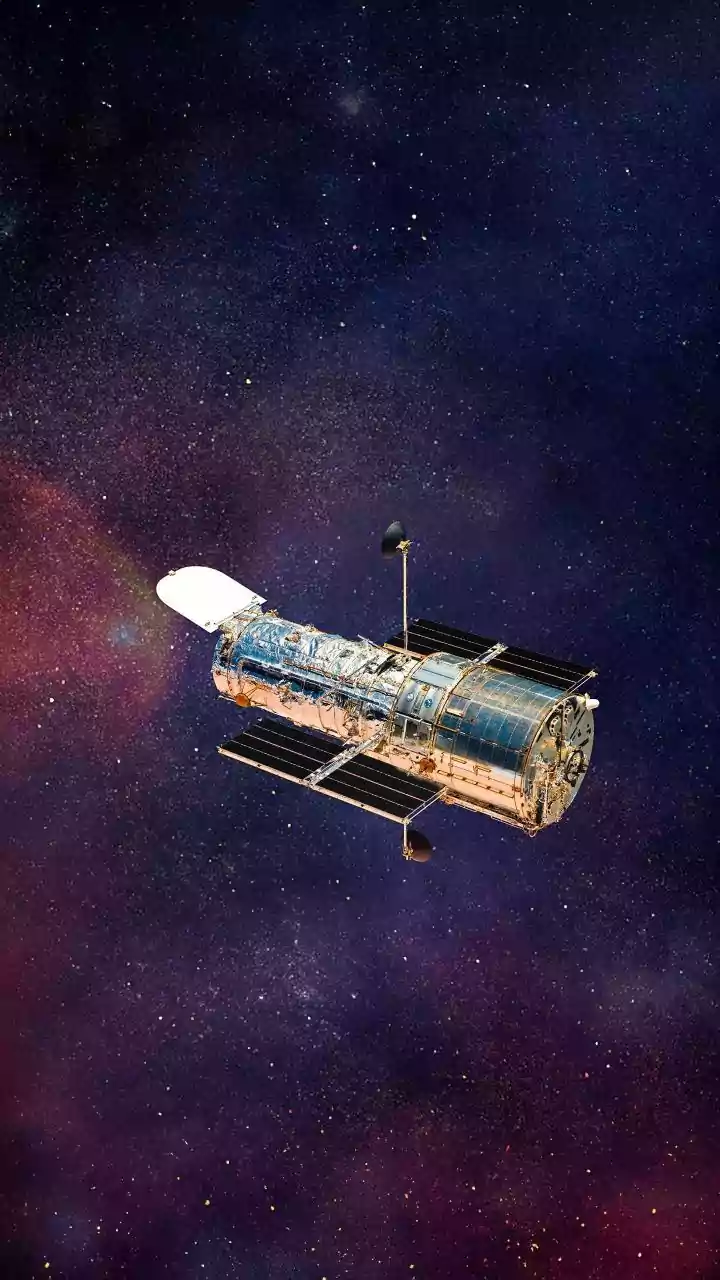
Pandora isn't designed to compete with giant observatories like JWST, but to complement them. Flagship telescopes like Webb are in high demand and can't afford to spend hundreds of hours staring at a single target just to understand its star. Pandora can. By conducting long-duration observations—studying each of its 20 targets for about 24 hours at a time, ten times over its year-long primary mission—Pandora will create a vital reference guide. This data will help scientists more accurately interpret past and future observations from JWST, ensuring that the precious time on more powerful telescopes is used as efficiently as possible to study the most promising worlds. Its work will lay a firm foundation for the search for habitable planets.
A New Era of Focused Missions
Pandora represents a new, nimble approach to space science. As a SmallSat, it demonstrates how lower-cost, highly focused missions can solve critical scientific bottlenecks. The mission is led by NASA's Goddard Space Flight Center in collaboration with Lawrence Livermore National Laboratory and the University of Arizona, which manages mission operations. Now that the commissioning phase is complete and the spacecraft is confirmed to be healthy and performing perfectly, its real work begins. After months of checks and calibrations, the science team is now receiving the first streams of data that will help clarify our view of worlds beyond our own solar system.