






Beyond the Beach Lounger
For decades, the classic holiday involved little more than a sunbed, a good book, and a series of indulgent meals. But today, the needle is shifting from passive relaxation to active restoration. An increasing number of travellers, particularly younger
generations like Gen Z and Millennials, want to return from their trips feeling better than when they left. This desire has fuelled the rise of two distinct but related travel styles: the fitness retreat and the 'gym-cation'. Both prioritise physical and mental well-being, but they cater to different needs, budgets, and travel personalities. It's a move away from pure hedonism toward purposeful, healthy experiences that offer a sense of accomplishment alongside relaxation.
The Immersive World of Fitness Retreats
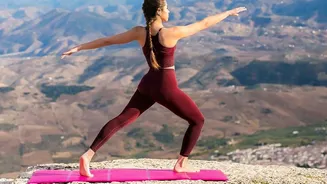
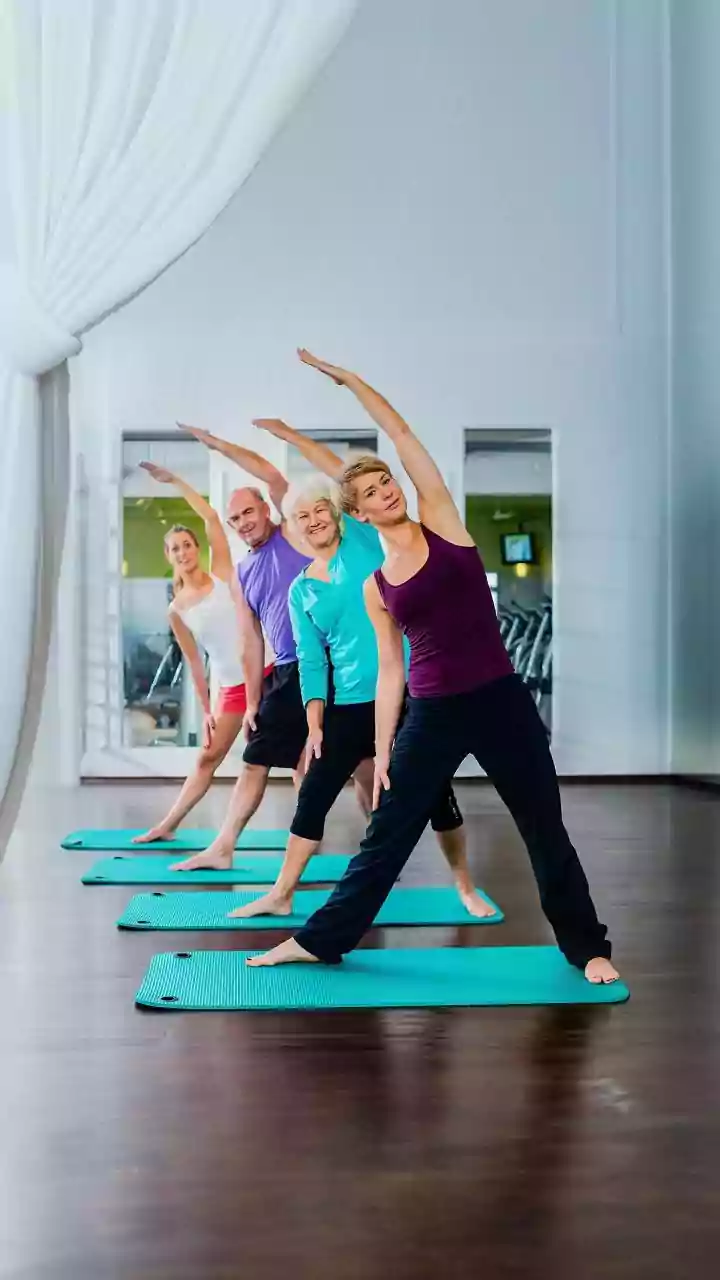
A fitness retreat is an organised, immersive holiday designed around a structured schedule of physical activities and wellness practices. Think of it as a holistic reset for your body and mind. These getaways are typically held in serene, scenic locations—like a yoga and meditation retreat in the Himalayas or a HIIT and hiking camp on a coastal trail—and last anywhere from a few days to a week. The experience is communal, bringing together like-minded people with expert coaches and instructors who guide sessions in everything from strength training and pilates to mindfulness and nutrition workshops. The goal isn't just to sweat; it's to equip you with new skills and healthier habits that you can integrate into your daily life long after the vacation ends. Many retreats are accessible to all fitness levels, with coaches skilled at modifying exercises for everyone.
Meet the 'Gym-cation'
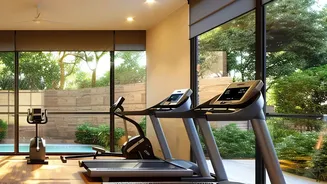
If a structured, week-long retreat sounds too intense, the 'gym-cation' might be a better fit. This trend, identified by travel platforms like Skyscanner as a major force in travel, is a more flexible and often urban approach to fitness holidays. A gym-cation isn't an organised tour; it's a personal choice to make fitness a central part of your trip. It means picking a hotel specifically because it has a state-of-the-art fitness centre or is located near top-tier gyms and healthy cafes. For these travellers, a good hotel gym is no longer a basement afterthought but a primary selling point. This trend is especially popular among younger travellers who want to maintain their wellness routines while exploring a new city. For them, a morning run through new streets or a drop-in Pilates class is as much a part of the itinerary as sightseeing. Mumbai, for instance, has emerged as a top global destination for travellers who prioritise hotel fitness facilities.
Why the Shift to Active Wellness?
Several cultural shifts are driving this trend. The global wellness industry is booming, with wellness tourism in India alone projected to grow significantly. There's a heightened awareness of both physical and mental health, with many people looking for ways to combat burnout and stress. An active holiday provides a unique solution, offering a break from routine that is both stimulating and restorative. Exercise is a proven stress-reliever, and learning a new skill on vacation can boost confidence and create a powerful sense of accomplishment. Furthermore, these trips provide a sense of community and connection, which is another key wellness trend. In a world of digital saturation, sharing a challenging hike or a healthy meal with others offers a tangible, grounding experience.
Is a Fitness Holiday Right for You?
Choosing between a retreat and a gym-cation depends on your goals. A fitness retreat is ideal if you're looking for a structured, all-inclusive reset with expert guidance and a strong community feel. They handle all the planning, from workouts to meals, allowing you to fully immerse yourself in the experience. However, they often come at a higher price point and require a dedicated time commitment. A gym-cation, on the other hand, offers flexibility and autonomy. You build your own schedule, choose your own activities, and can easily blend fitness with other travel interests like food, culture, and sightseeing. It’s a more budget-friendly way to prioritise health while travelling, turning any city break into an opportunity for wellness.