

More Than Just Scraps
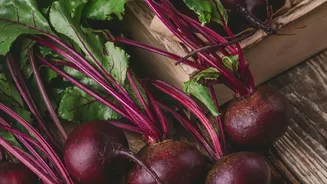
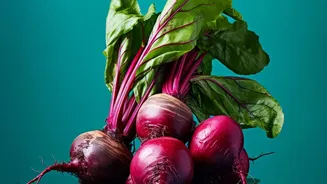
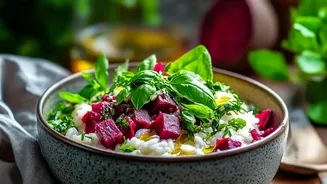
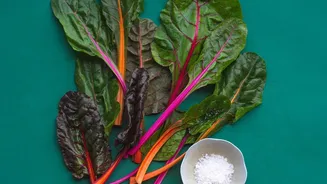
When you buy a bunch of fresh beets, you're getting two vegetables in one. The leafy tops, known as beet greens, are not just edible but also surprisingly tasty and packed with nutrients. Historically, beet greens were consumed long before the beetroot
itself became popular. With a flavour profile somewhere between Swiss chard and spinach, they have a mild, sweet earthiness that is less bitter than kale. The stems are edible too, offering a pleasant crunch similar to celery when cooked. By using the whole plant, you're not just getting more nutritional bang for your buck; you're also participating in root-to-leaf cooking, a simple way to reduce food waste in your own kitchen.
A Grounded Nutritional Profile
While some foods get hyped with wild health claims, the real story of beet greens is in their solid, science-backed nutritional content. They are incredibly low in calories but dense in essential vitamins and minerals. Beet greens are an exceptional source of Vitamin K, which is crucial for bone health and proper blood clotting. They are also rich in Vitamin A, important for vision and immune function, and Vitamin C, a powerful antioxidant. Furthermore, they provide a good amount of minerals like potassium, magnesium, and iron. In fact, some analyses show that beet greens contain more iron than spinach. This impressive profile makes them a valuable addition to a balanced diet, no exaggeration needed.
What 'Healthy' Really Means
Instead of looking for a single food to solve health problems, it's more productive to see how foods like beet greens contribute to overall well-being. The fibre in beet greens aids in healthy digestion. The nitrates present in the leaves, similar to the root, may help support cardiovascular health by promoting healthy blood flow. The combination of Vitamin A and lutein, an antioxidant found in the greens, contributes to eye health. And the presence of multiple antioxidants helps the body manage oxidative stress. These are not miracle cures, but rather the steady, supportive benefits that come from eating a variety of whole, plant-based foods.
From Market to Skillet
When shopping, look for beets with vibrant, unwilted greens attached. To store them, it's best to separate the greens from the roots as soon as you get home. This prevents the leaves from drawing moisture out of the beetroot. Trim the leaves about an inch or two from the root. Store the beetroots in one bag in your refrigerator's crisper drawer and the unwashed greens in a separate one. The greens are best used within a few days. Before cooking, give the leaves and stems a thorough wash to remove any grit. The stems are tougher and need a little more cooking time, so it's a good idea to chop them finely and start them in the pan a few minutes before adding the chopped leaves.
Simple, Delicious Preparations
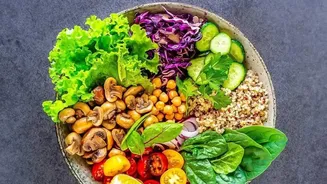
You don't need a complicated recipe to enjoy beet greens. One of the simplest and most popular methods is to sauté them. Heat some olive oil in a skillet over medium heat, add minced garlic and the chopped beet stems, and cook for a few minutes until they begin to soften. Then, toss in the chopped leaves with a pinch of salt and pepper, and cook until they wilt. A squeeze of fresh lemon juice at the end brightens up the flavour perfectly. These sautéed greens can be served as a simple side dish, folded into omelettes, stirred into pasta or soups, or used as a nutrient-rich base for a grain bowl.