






The Green Wave Sweeping India
Once an unfamiliar, Instagram-friendly drink, matcha has officially arrived in India. According to Google Trends data reported in September 2026, searches for 'how to make matcha' skyrocketed by 1,300% over the past year. This isn't just passive curiosity;
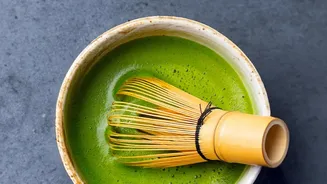
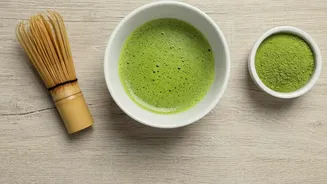
it points to a significant shift from trying matcha in cafes to embracing it as a home ritual. The data shows searches for 'matcha kit' have doubled, while queries for 'matcha whisk' and 'matcha bowl' have also seen breakout growth. The interest is strongest in urban centres, with Delhi leading in searches for 'matcha near me', followed by Goa and Chandigarh. This digital curiosity reflects a real-world trend seen in the rapid expansion of matcha on menus in cities like Bangalore, Mumbai, and Delhi, where the drink is now a staple in specialty coffee shops and wellness cafes.
A Sign of Shifting Tastes
The matcha craze is more than just a passing fad; it represents a broader cultural shift among India's urban youth. Positioned as a wellness beverage, it taps directly into a growing demand for healthier lifestyle choices. Search interest for 'matcha health' climbed 1,000%, while 'matcha protein' jumped an astonishing 2,500%. It’s also seen as a premium, aspirational product, a craft beverage that offers a sophisticated alternative to both traditional chai and coffee. Indian consumers are also making the trend their own. Instead of sticking strictly to traditional preparation, they are experimenting with localised flavours. Searches for 'mango matcha' and 'strawberry matcha' have soared, demonstrating a desire to blend the earthy Japanese tea with familiar, sweeter notes. These creative twists, along with a growing interest in 'dirty matcha' (a mix of matcha and espresso), show how an international trend is being adapted to the local palate.
A Supply Storm in Japan
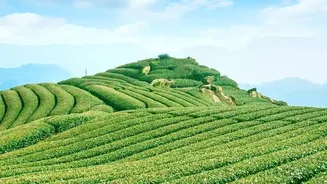
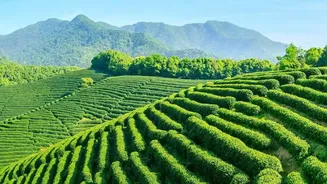
Just as India’s appetite for matcha reaches a fever pitch, the source of the world's finest matcha is facing a perfect storm of challenges. Japan is struggling to produce enough to meet skyrocketing global demand from not only India but also the United States and Europe. A significant part of the problem is environmental. Climate change is wreaking havoc on the delicate tea cultivation process. Japan has experienced increasingly intense heatwaves, erratic rainfall, and unseasonal frosts, all of which can damage or destroy the sensitive, shade-grown 'tencha' leaves that are ground to make high-quality matcha. Regions like Uji in Kyoto, renowned for producing premium matcha, have seen reduced harvest yields due to these adverse weather conditions, threatening both the quantity and quality of the supply.
An Industry Facing a Generational Crisis
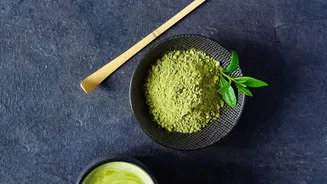
Compounding the environmental pressures is a deep-seated demographic issue. Japan's tea farming community is aging rapidly, with many farmers now in their 60s and 70s. Younger generations are often reluctant to take over the physically demanding and painstaking work of tea cultivation, leading to a severe labour shortage and a decline in the number of active tea farms. Matcha production cannot be easily automated or scaled. The highest grades require laborious techniques, from shading the tea bushes to hand-picking the leaves and slowly stone-grinding them into a fine powder. With a shrinking workforce and a production process that is inherently slow, expanding supply to meet the explosive global demand is proving to be nearly impossible. It takes about five years for a new tea plant to mature enough to produce high-quality leaves, meaning there is no quick fix to the shortage.
What This Means for Indian Consumers
The collision of booming Indian demand and strained Japanese supply has inevitable consequences for consumers. The first and most immediate impact is price. At recent auctions in Kyoto, the price of tencha leaves has surged dramatically, and this cost is being passed down the supply chain. Indian cafes have already seen prices for matcha rise through 2025 and 2026. As the shortage continues, consumers can expect to pay more for their favourite green lattes. Beyond cost, there is a growing concern about availability and quality. With authentic, high-grade Japanese matcha becoming scarcer, there is a risk of lower-quality powders entering the market to fill the gap. For businesses, securing a stable, high-quality supply is becoming a significant challenge, which could lead to inconsistency for customers who have developed a taste for the real thing.