




The Holiday Demand Surge
Across the country, there is a palpable rush to travel for the upcoming August 15th weekend. With Independence Day falling on a Saturday in 2026, many corporate professionals are taking advantage of a long weekend, driving up demand for accommodation.
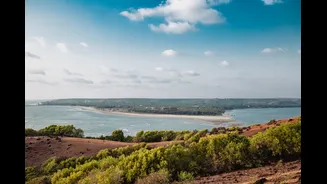
Hoteliers are reporting brisk business, with overall bookings expected to rise by 10-15% compared to last year. This trend is particularly strong in well-established leisure hubs. Destinations like Goa, Udaipur, Mussoorie, and Jim Corbett are seeing a powerful momentum in bookings, confirming that despite higher costs, travellers are committed to their short holiday plans.
Decoding the 20% Price Hike
The primary driver behind the rising rates is classic economics: high demand meeting limited supply. Hotel chains like Leisure Hotels Group have openly stated that their rates for the weekend are positioned approximately 20% higher than the same period last year. Other chains, such as Justa Hotels & Resorts, have noted rate increases of around 15% in properties like their Udaipur hotel. Even budget-friendly brands like ibis are seeing bookings track 10% higher than in 2025, largely fuelled by their leisure-destination properties. This pricing power is a continuation of a post-pandemic trend where strong domestic travel demand allows hotels to implement dynamic pricing, raising rates during peak periods.
Leisure and Pilgrimage Hotspots Lead the Way
The price increase isn't uniform across the board. The sharpest hikes are concentrated in key leisure and even pilgrimage destinations. Radisson Hotel Group has observed that markets like Goa, Udaipur, and Jim Corbett continue to perform exceptionally well. At the same time, there's sustained interest in religious centres such as Ayodhya and Ujjain, which are also contributing to the overall demand. The trend also reflects a shift in travel patterns. With the holiday falling on a Saturday, many travellers are opting for shorter, drive-to destinations, causing prices for villas and accessible resorts near major cities to climb. Some vacation rental platforms are reporting occupancy levels as high as 80-85% for the weekend.
How Travellers Are Navigating the Costs
Despite the increase, the appetite for travel remains robust. It appears many Indian travellers have factored these long-weekend price surges into their budgets. Some properties are already reporting that 30-60% of their rooms are booked for the holiday, a healthy figure considering many people also make last-minute plans. This behaviour is part of a larger trend where Indians are increasingly planning their calendar around long weekends and cultural events. A growing preference for experiences over simply saving money is fuelling this willingness to spend on short, regenerative breaks, even if it means paying a premium.
Is This the New Normal for Holiday Travel?
The Independence Day price hike is not an isolated event but a clear indicator of the current state of the Indian hospitality market. For years, factors like rising operational costs, fuel prices, and even high real estate values in tourist areas have been putting upward pressure on hotel tariffs. The industry has gained significant pricing power, driven by strong and sustained domestic demand that often outpaces the supply of quality rooms in popular locations. While August is traditionally part of the monsoon off-season, which can see lower prices overall, high-demand holiday weekends now operate under their own rules. For the foreseeable future, travellers should expect this trend of dynamic, demand-based pricing to continue for all major holidays.