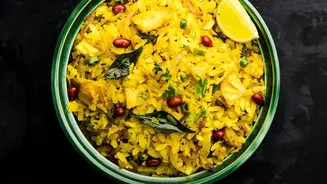

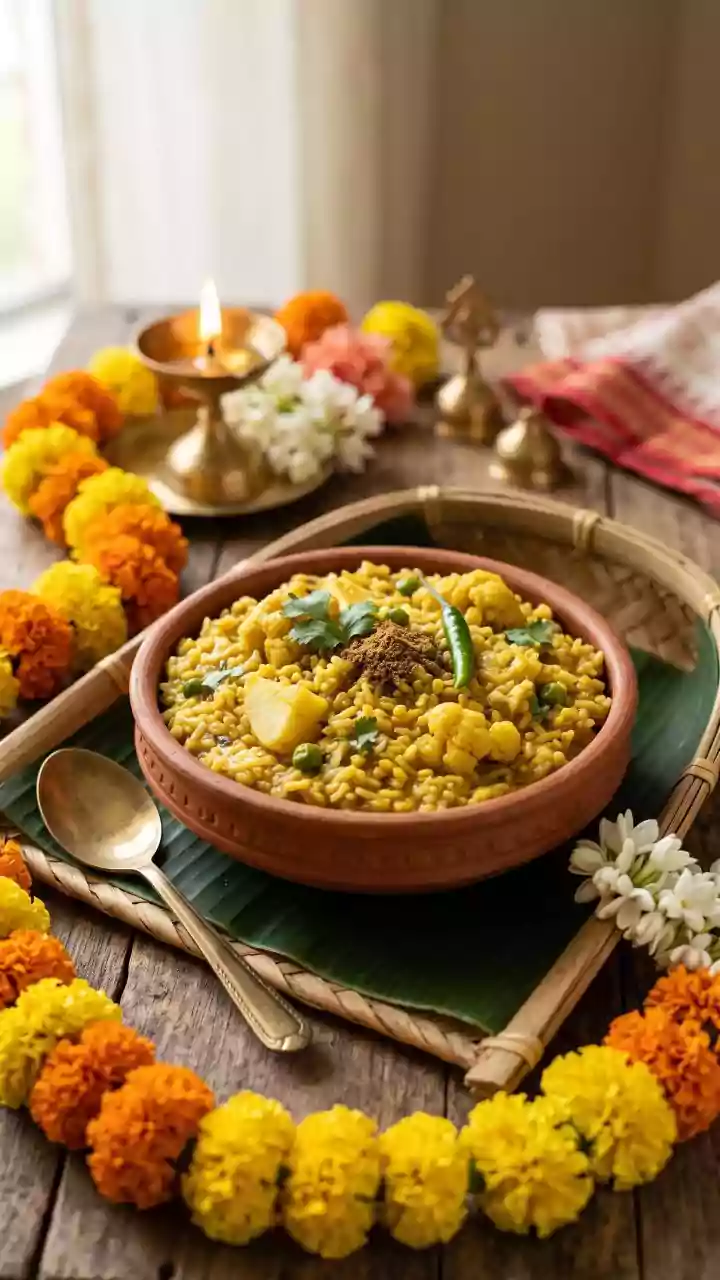
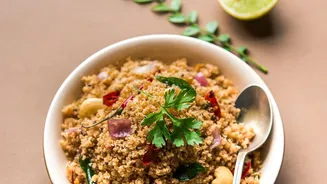
Bajra and Moong Dal Khichdi
Give your traditional khichdi a rustic and nutritious upgrade with bajra, or pearl millet. This grain is a fibre powerhouse, promoting digestive health and providing sustained energy, making it perfect for a long workday. Paired with the easily digestible
moong dal, this combination is both hearty and gentle on the stomach. The nutty flavour of bajra adds a delightful complexity that plain rice often lacks. To prepare, simply pressure cook soaked bajra and moong dal with a simple tempering of cumin, ginger, and a pinch of turmeric. You can toss in some seasonal vegetables like peas and carrots to further boost its fibre and vitamin content, creating a complete and wholesome meal in one pot.
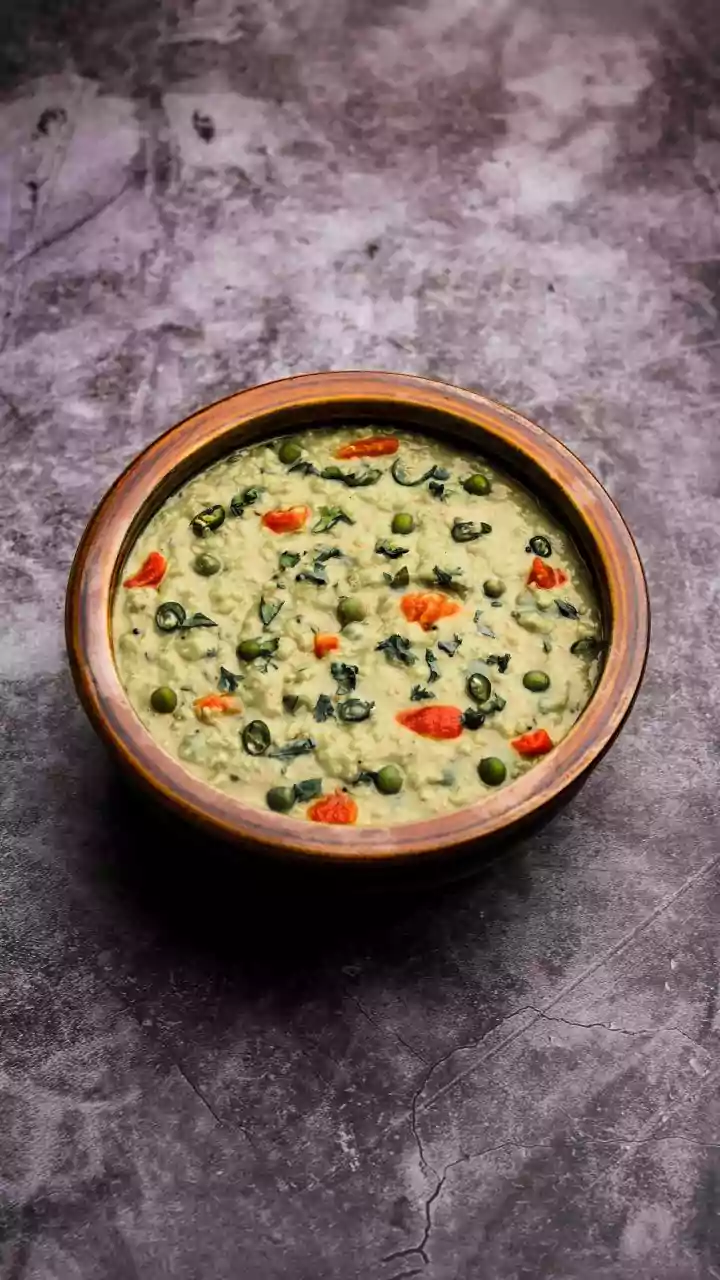
Savoury Oats and Vegetable Khichdi
Think beyond the breakfast bowl—oats make a fantastic base for a savoury, fibre-rich khichdi. Oats are celebrated for their high content of soluble fibre, particularly beta-glucan, which is known to help manage cholesterol levels and keep you feeling full for longer. This modern take on khichdi is perfect for those looking for a quick and heart-healthy meal. Simply sauté your favourite vegetables like onions, tomatoes, carrots, and peas with ginger and spices, then add rolled oats and a handful of moong dal. Cook with water until it reaches a porridge-like consistency. It's an incredibly fast dish to put together, often ready in under 30 minutes, and offers a creamy texture without being heavy.
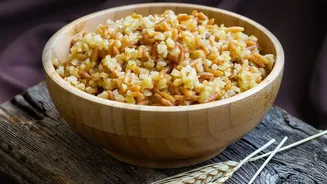
Brown Rice and Panchmel Dal Khichdi
Elevate the classic by swapping white rice for brown rice and using a mix of five lentils, known as panchmel or panchratna dal. Brown rice retains its outer bran layer, which is packed with fibre, vitamins, and minerals, unlike its polished counterpart. A combination of lentils like toor, chana, masoor, urad, and moong dal not only provides a wonderful texture but also delivers a broader range of amino acids and a significant fibre boost. This khichdi is a protein and fibre heavyweight, ensuring you stay satisfied and nourished. The cooking process is the same as a standard khichdi, though brown rice will require a slightly longer cooking time. The result is a richer, more complex flavour that makes for a truly comforting and restorative meal.
Quinoa and Mixed Vegetable Khichdi
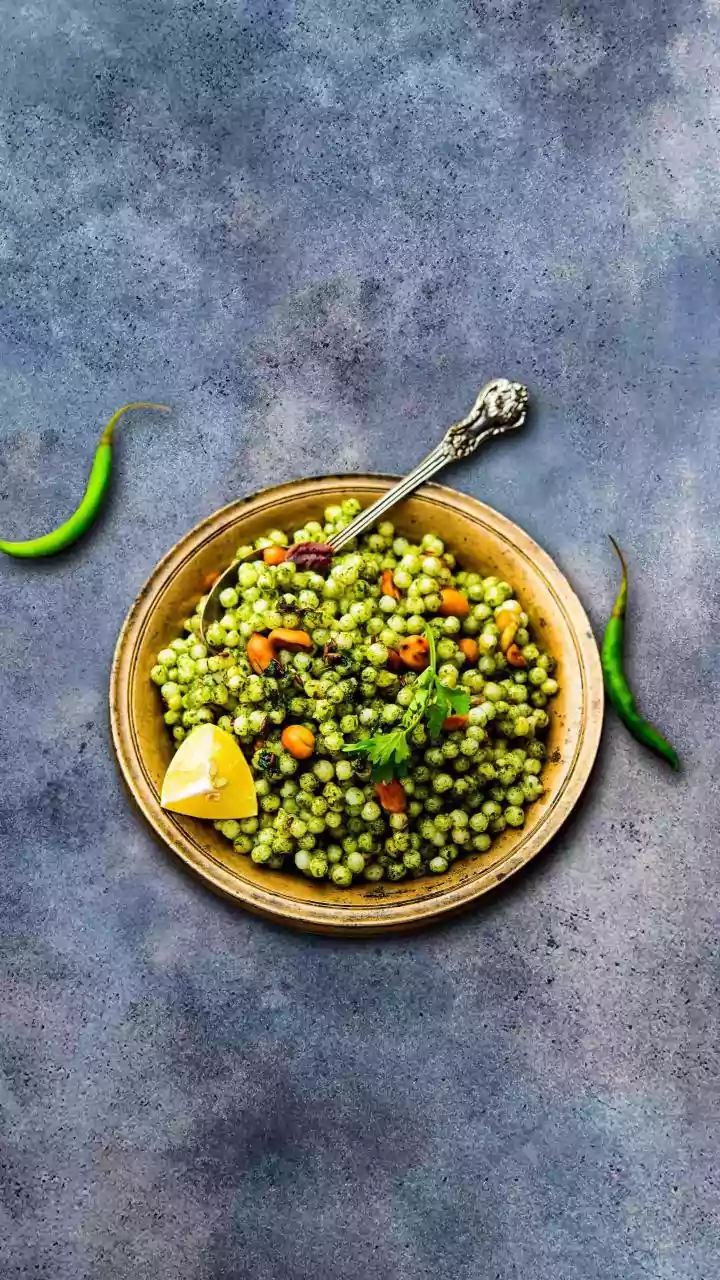
For a truly modern and health-focused version, quinoa is an excellent choice. This superfood is not only gluten-free but is also a complete protein, containing all nine essential amino acids. It's also exceptionally high in fibre, which aids in digestion and blood sugar control. A quinoa khichdi is lighter than grain-based versions but just as filling. To make it a one-pot wonder, temper spices like cumin and mustard seeds, sauté onions, ginger, and garlic, and then add a generous amount of chopped vegetables like zucchini, bell peppers, and carrots. Stir in rinsed quinoa and a small portion of red or yellow lentils, add water, and cook until tender. It’s a nutrient-dense meal that aligns perfectly with a contemporary, health-conscious lifestyle.
Masala Vegetable and Cabbage Khichdi
Sometimes, the best upgrade is simply packing more vegetables into the original. A masala vegetable khichdi can be transformed into a high-fibre feast by being generous with your vegetable additions, especially fibre-rich ones like cabbage, carrots, beans, and cauliflower. Cabbage, in particular, adds bulk and fibre with very few calories and cooks down beautifully, integrating seamlessly into the khichdi's texture. Start by creating a flavourful base with onions, tomatoes, ginger-garlic paste, and a blend of spices like turmeric, coriander, and garam masala. Add a mountain of chopped vegetables and sauté before adding your standard rice and dal mixture. This approach doesn't require sourcing special grains but focuses on maximising the nutritional value of a beloved classic, making it both accessible and exceptionally healthy.