







Step 1: Simplify the Menu
A relaxed party starts with a relaxed host, and nothing creates stress like an overly ambitious menu. The charm of a tea party is in its delightful bites, not a five-course meal. Focus on a few simple, classic items. Finger sandwiches are a must, but
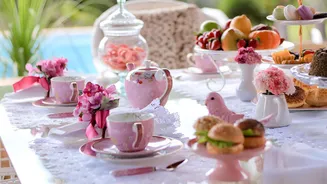
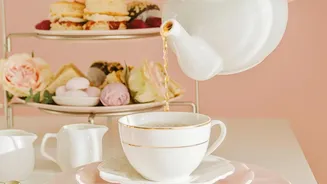
stick to easy fillings like cucumber and cream cheese, or egg salad. For sweets, scones are non-negotiable, but you can supplement them with one simple cake or a plate of biscuits. Don't be afraid of high-quality store-bought options to save time. The goal is an elegant spread, not a baking marathon. A tiered stand can make even the simplest selection of treats look impressive and lavish. Consider a mix of savory and sweet, but keep each category limited to two or three choices. This keeps your prep list manageable and ensures you're mingling with guests, not trapped in the kitchen.
Step 2: Embrace Casual Decor
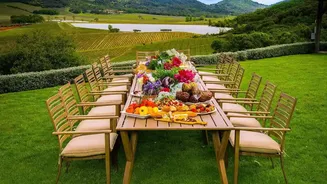
Your garden is the main event, so let its natural beauty shine. There's no need for elaborate, perfectly matched decorations. Think charming and comfortable, not formal and flawless. Use a simple tablecloth, perhaps in a floral print or classic white linen. Don't have a matching set of china? Perfect. Mismatched teacups and plates add a whimsical and eclectic touch. For a centerpiece, a bouquet of fresh flowers from your own garden or a local market is all you need. You can even use small jam jars with single stems for a more rustic feel. Prioritize guest comfort by scattering cushions and blankets on chairs or creating a cozy relaxation area with bean bags or large pillows on the ground. This invites guests to linger and relax long after the last cup of tea is finished.
Step 3: Create a Self-Serve Beverage Station
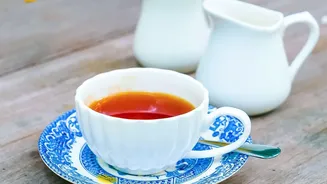
Playing bartender is a quick way to turn a relaxing party into a frantic one. Set up a dedicated beverage station where guests can help themselves. This empowers them and frees you up. Offer a small, curated selection of teas. A classic black tea like English Breakfast, a caffeine-free herbal option like chamomile or mint, and a pitcher of iced tea for warmer days is plenty. Label each option clearly. Provide sugar, milk, lemon slices, and honey so guests can customize their drinks. A large dispenser of water infused with cucumber or citrus is also a refreshing and elegant touch that requires zero effort during the party. By making beverages self-serve, you eliminate a major hosting duty and create a more casual, communal atmosphere.
Step 4: Prepare as Much as Possible in Advance
The secret to being a calm host on the day of the party is doing the work beforehand. Proper planning is your best tool for a stress-free event. In the days leading up to the party, write out your menu and shopping list. The day before, you can tackle a surprising number of tasks. Bake scones or cakes, as they often taste just as good, if not better, the next day. Chop vegetables for sandwiches and store them in airtight containers. You can even set the table the night before, laying out the tablecloth, plates, and cutlery. By front-loading the effort, you leave only minimal assembly and arrangement for the day of the gathering. This ensures you are present, calm, and able to enjoy the beautiful party you've orchestrated.
Step 5: Let Go of the Need for Perfection
This is the most important step. A relaxed garden tea party is defined by its atmosphere, not its flawlessness. The goal is to connect with friends or celebrate a loved one, not to stage a photo shoot. Things might not go exactly as planned. A bee might take an interest in the jam, a breeze might knock over a napkin, or you might forget to serve one of the treats you prepared. None of it matters. Your guests will remember the laughter, the conversation, and the feeling of being warmly welcomed into a beautiful space. Your relaxed energy will set the tone for everyone. Embrace the imperfections as part of the charm. After all, the purpose of gathering is to enjoy each other's company, and that's a goal you can achieve no matter what.