






Carbohydrates: The Primary Fuel Source
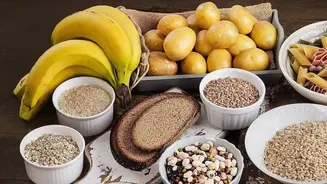
It’s impossible to talk about post-meal blood sugar without starting with carbohydrates. When you eat carbs—whether from bread, fruit, or vegetables—your digestive system breaks them down into glucose, which enters your bloodstream. This is a normal and
necessary process, as glucose is the primary source of energy for your body's cells. However, the type and quantity of carbs you consume dramatically affect how quickly and how high your blood sugar rises. Simple or refined carbohydrates, like those in sugary drinks and white bread, are digested rapidly, causing a fast and significant spike in blood glucose. Complex carbohydrates, which are found in whole grains, beans, and vegetables, typically contain fiber. Fiber, along with protein and fats, slows down digestion. This leads to a more gradual release of glucose into the bloodstream, preventing the sharp peaks and subsequent crashes that can leave you feeling tired and irritable.
Your Health: The Body’s Operating System
Your overall health status creates the backdrop for how your body processes every meal. Think of it as the operating system that determines how efficiently your body manages incoming glucose. Factors like physical activity, stress, and sleep play a huge role. Exercise, even a short 15-minute walk after a meal, helps your muscles use glucose for energy, effectively lowering blood sugar levels. On the other hand, stress—both physical and emotional—triggers the release of hormones like cortisol and adrenaline. These hormones can cause your liver to release more glucose and make your body's cells more resistant to insulin, leading to higher blood sugar. Poor sleep can have a similar effect, disrupting the hormones that regulate appetite and metabolism. Underlying conditions like insulin resistance, commonly seen in type 2 diabetes, mean that your cells don't respond properly to insulin, causing glucose to remain elevated in the blood for longer after eating.
Medication: A Tool for Balance
For many people, particularly those with type 1 or type 2 diabetes, medication is a critical tool for managing post-meal glucose. These medications are not a substitute for a healthy diet and lifestyle but work in partnership with them. Different drugs target post-meal blood sugar in different ways. Some, like sulfonylureas, stimulate the pancreas to release more insulin after a meal. Others, known as alpha-glucosidase inhibitors, act like 'speed bumps' in your digestive system, slowing the breakdown of complex carbohydrates and thus slowing the entry of glucose into the bloodstream. Newer classes of drugs, like GLP-1 receptor agonists and DPP-4 inhibitors, work by enhancing the body's natural insulin response to food, slowing digestion, and even promoting feelings of fullness. For those on insulin, timing the dose correctly before a meal is crucial for heading off a spike. It's essential to work with a healthcare provider to understand which medication, if any, is right for your specific needs.