





A 22% Projected Shortfall
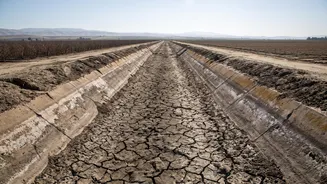
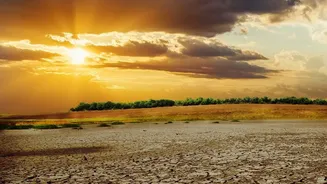
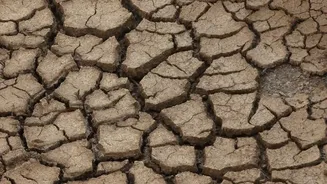
The Indus River System Authority's advisory committee has approved an initial projection of a 22% water shortage for the Rabi season, which runs from October 2026 to March 2027. This shortfall will primarily impact Pakistan's two main agricultural provinces,
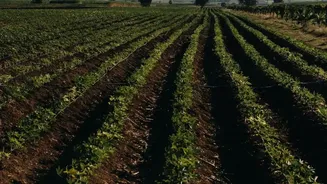
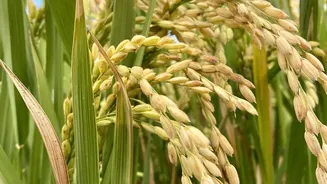
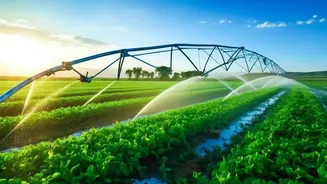
Punjab and Sindh, which are heavily reliant on the Indus river system for irrigation. The Rabi season is defined by its winter crops, most importantly wheat, but also includes gram, barley, and mustard. Unlike the Kharif season which benefits from monsoons, Rabi crops depend almost entirely on water from river flows and reservoir storage, making this projected deficit particularly worrying.
Why the Shortage is Happening
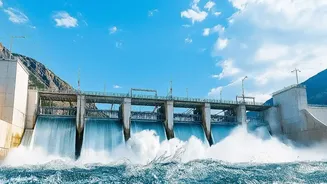
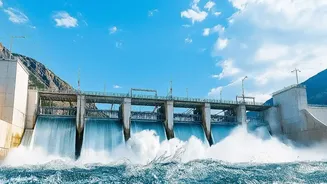
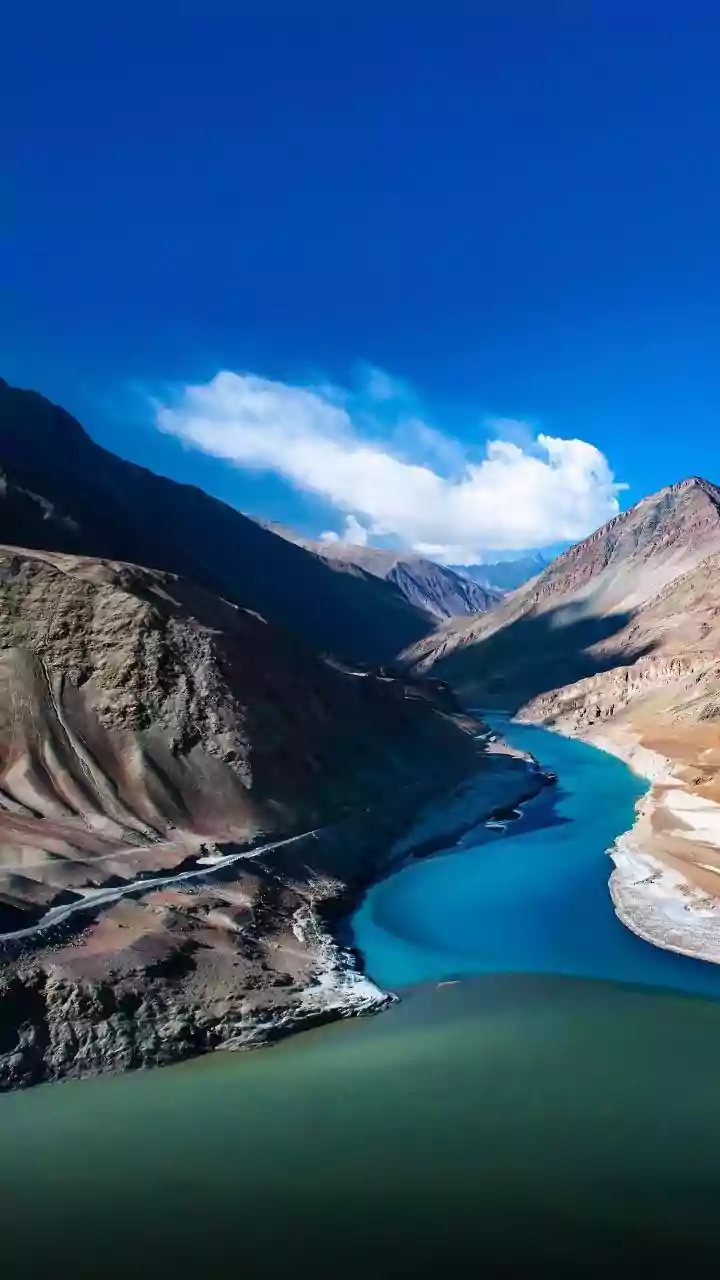
The current situation is a result of several converging factors. The preceding Kharif season experienced lower-than-average river inflows, which were down 22% compared to the previous year and 7% below the ten-year average. This led to significantly lower water levels in the country's major reservoirs, including Tarbela and Mangla. Storage levels on September 30, 2026, stood at 9.343 million acre-feet (MAF), well below the 13.214 MAF available at the same time last year. Delays in completing key infrastructure projects on the Tarbela dam have also been cited by IRSA as a contributing factor, as they limited the ability to store water during the Kharif season.
IRSA's Role as Water Manager
IRSA is the federal body responsible for managing and distributing water from the Indus River and its tributaries among the four provinces. Its advisory committee meets ahead of each crop season (Kharif and Rabi) to forecast water availability based on reservoir levels, anticipated river flows, and other parameters. Based on these forecasts, it allocates shares to Punjab, Sindh, Khyber Pakhtunkhwa, and Balochistan. In this instance, while Punjab and Sindh will face a 22% cut, Balochistan and Khyber Pakhtunkhwa have been exempted from supply reductions. The task is a difficult balancing act, often made more complex by historic disagreements between provinces, particularly Punjab and Sindh, over water distribution formulas, which a shortage only tends to worsen.
A Periodically Reviewed Forecast
The headline's mention that the projection will be 'reviewed periodically' is a crucial part of IRSA's operational procedure. The initial 22% figure is not set in stone. Water availability can change based on factors throughout the season, such as late rainfall or unexpected changes in river flows due to snowmelt patterns in the northern regions. IRSA's committee will continue to monitor the situation and may adjust the shortage percentage and provincial allocations accordingly. This adaptive approach is necessary for managing a dynamic and often unpredictable natural resource, but it also creates a level of uncertainty for farmers planning their cultivation strategies.
Implications for Food Security
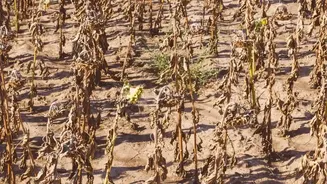
A significant water shortage during the Rabi season directly threatens Pakistan's food security. Wheat is the country's staple food crop, and a reduction in yield could have severe economic and social consequences. The situation is compounded by the fact that even last season, which faced no water shortage, saw a wheat production shortfall of over two million tonnes, necessitating imports. The current water deficit could force farmers to reduce the area under cultivation or rely on more expensive groundwater, potentially leading to lower yields and higher costs. This has already been reflected in rising flour prices in local markets, which were reported to be over 30% higher year-on-year in September.