




The Power in the Rhizome
Ginger’s reputation as a health-booster is backed by both tradition and science. Its main active compound, gingerol, is a potent anti-inflammatory and antioxidant. This makes it a valuable ally for soothing sore muscles and potentially easing the pain
associated with arthritis. Many people reach for ginger to calm an upset stomach. It is well-known for its ability to relieve nausea, whether from pregnancy, motion sickness, or chemotherapy. Studies suggest it aids digestion by helping to break up and expel intestinal gas, and it may also help improve blood sugar regulation and support cardiovascular health. The active compounds in ginger can also help the body ward off germs and keep oral bacteria in check, contributing to a healthier mouth.
Fresh vs. Ground Ginger
Walking down the spice aisle, you’ll find ginger in several forms, primarily fresh root and dried ground powder. While they come from the same plant, they are not always interchangeable. Fresh ginger has a bright, pungent, and slightly citrusy flavour. Dried ginger, on the other hand, is more concentrated, with a spicier, warmer, and less bright taste. When fresh ginger is dried, its gingerol compounds convert into shogaols, which are about twice as pungent. As a general rule, if a recipe calls for one tablespoon of fresh ginger, you can substitute it with about a quarter-teaspoon of ground ginger, but it's always best to taste and adjust. Ground ginger is perfect for baking, like in cookies and cakes, while fresh ginger shines in stir-fries, marinades, and teas.
A Soothing Start: Ginger in Your Tea
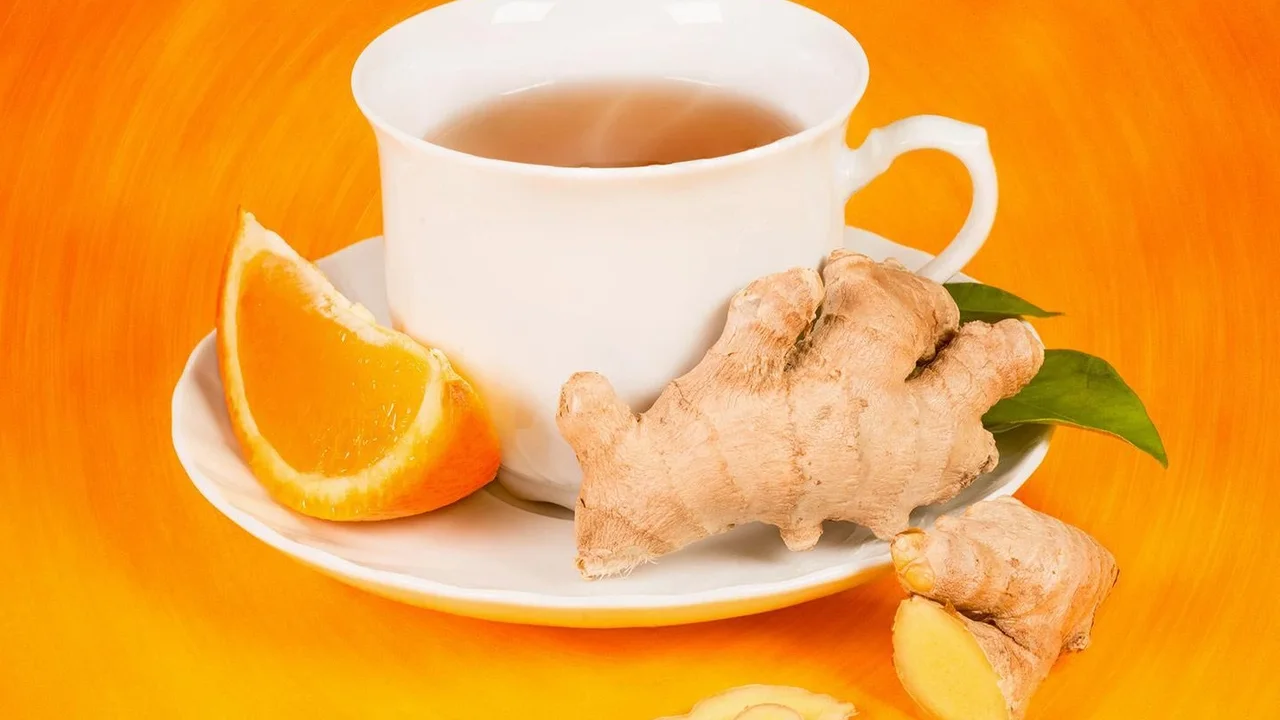
One of the simplest and most comforting ways to consume ginger is by brewing it into a tea. Making it at home is incredibly easy. All you need is a one-inch piece of fresh ginger and about one and a half cups of water. There's no need to peel the ginger, though you can if you prefer; simply wash it and slice it thinly. Place the ginger slices and water in a small saucepan, bring it to a boil, then reduce the heat and let it simmer for five to ten minutes. The longer you simmer, the stronger the tea will be. After simmering, strain the tea into a mug. For extra flavour and benefits, you can add a squeeze of lemon juice and a spoonful of honey once it has cooled slightly. This soothing beverage is perfect for a cold morning or to calm your stomach after a meal.
Warming Up Meals: Ginger in Soups and Curries
Ginger is a foundational ingredient in many cuisines, especially in soups and curries where its warmth and complexity can truly shine. Its spicy notes pair beautifully with ingredients like coconut milk, carrots, and lentils. In many curry recipes, finely grated or minced fresh ginger is sautéed with onions and garlic at the beginning to form a flavourful base. This process mellows its pungency and infuses the entire dish. For a vibrant and warming soup, try a curried carrot and ginger soup. The sweetness of the carrots balances the spiciness of the ginger and curry powder, creating a harmonious and comforting meal. You can add grated fresh ginger directly to the soup pot along with other aromatics and let it simmer to release its flavour.
A Word of Caution
While ginger is generally recognized as safe for most people, high doses can sometimes lead to mild side effects. Consuming more than five or six grams a day may cause issues like heartburn, gas, diarrhoea, or mouth irritation for some individuals. Because ginger can have blood-thinning properties, people with bleeding disorders or those taking anticoagulant medications should be cautious and speak with a healthcare provider before increasing their intake. It’s always best to start with small amounts to see how your body reacts and to enjoy ginger as part of a balanced diet.