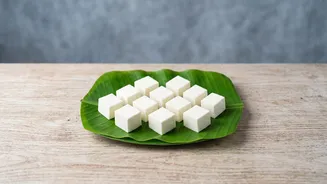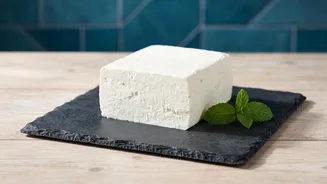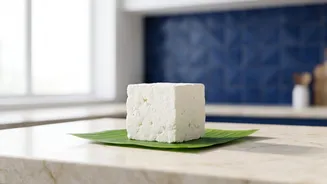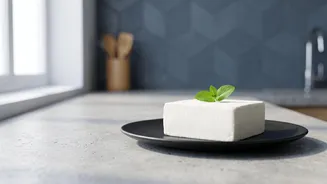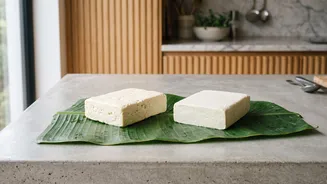






What is Analogue Paneer?
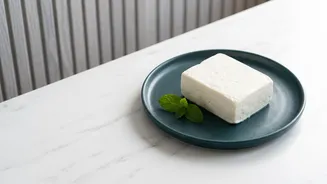
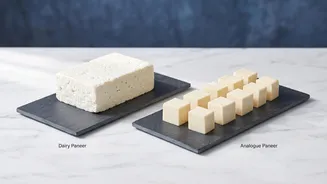
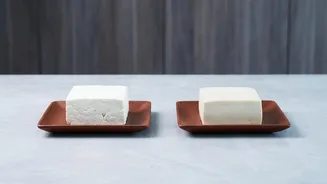
The paneer you know is a fresh cheese made by curdling milk with an acid like lemon juice or vinegar. It’s a simple, natural process. Analogue paneer, however, is a different story. It’s a product engineered to look and feel like paneer but is made by replacing
milk components with cheaper substitutes. Instead of relying solely on milk fat and protein, manufacturers often use vegetable oils (like palm oil), starches, flour, skimmed milk powder, and a host of emulsifiers and stabilisers to mimic the texture of the real thing. This makes it a heavily processed food rather than a fresh dairy product.
Why FSSAI Is Stepping In
The Food Safety and Standards Authority of India (FSSAI) has proposed new regulations because of growing concerns about consumer deception. Many people are buying or being served analogue paneer without knowing it, thinking they are consuming a traditional dairy product. The primary driver for using analogues is cost; these products can be nearly half the price of authentic paneer. This has led to a situation where consumers are misled, and the integrity of genuine dairy producers is undermined. The regulator's move aims to ensure that when you pay for paneer, you get actual paneer.
The Proposed New Rules
FSSAI has issued draft regulations that would prohibit products made from non-milk constituents from using the word "paneer" in their name, labelling, or marketing. If the rules are finalised, any product currently licensed as a dairy analogue would have to drop the term entirely. This isn't just for packaged goods. The rules would also apply to restaurants, hotels, and caterers, who would need to clearly state on their menus if they are using a paneer analogue in their dishes. Several states, including Maharashtra, Gujarat, and Karnataka, have already implemented their own bans or restrictions on analogue paneer, and FSSAI's proposal aims to create a uniform national standard.
Health and Nutritional Concerns
The difference between paneer and its analogue isn't just about terminology; it's also about nutrition. Real paneer is a rich source of high-quality milk protein and calcium. Analogue versions, due to their composition, are typically lower in protein and may contain unhealthy trans fats from hydrogenated vegetable oils. For vegetarians who rely on paneer as a primary protein source, unknowingly consuming a lower-protein analogue can have significant dietary implications. Health experts have raised alarms about the long-term effects of consuming these processed fats and the nutritional deficit created by replacing a whole food with a processed lookalike.
What This Means For You
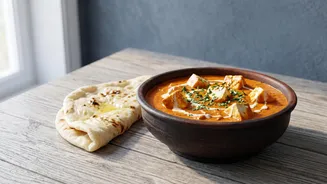
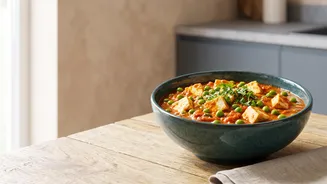
If the FSSAI's draft regulations become law, you can expect to see much clearer labels in the supermarket. Products that are not made from milk will no longer be able to call themselves paneer. This will empower you to make an informed choice based on ingredients, nutritional needs, and budget. When dining out, you'll have the right to know if the 'paneer' tikka you ordered is made with a non-dairy substitute. While analogue products are not being banned outright—as long as they are labelled correctly—the new rules aim to end the ambiguity that has allowed these cheaper substitutes to be passed off as the real thing.