





A Surprising Gain in Height
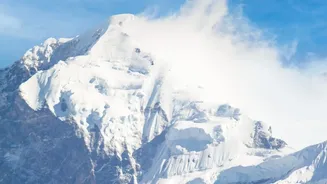
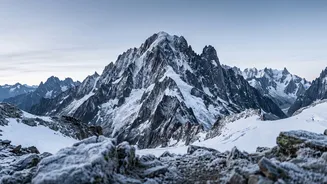
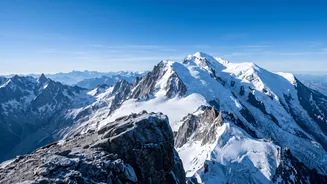
On October 14, 2026, surveyors announced the latest measurement for Mont Blanc: 4,807.47 meters. This marks a significant increase of nearly two meters from its 2023 height of 4,805.59 meters. This reverses a downward trend observed in recent years. For
instance, the mountain was measured at 4,807.81 meters in 2021 and its highest recent peak was in 2007 at nearly 4,811 meters. The new measurement, taken in September 2026, has brought the 'roof of Europe' back to a height comparable to those recorded in the early 2000s, sparking conversations about what drives these fluctuations.
Technology at the Summit
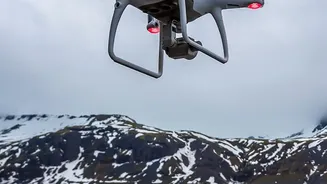
This isn't a simple case of using a giant tape measure. The team from the Haute-Savoie departmental chamber of surveyors employs a suite of sophisticated tools. The expedition, which involved carrying nearly 30 kilograms of equipment, used satellite positioning instruments (GPS) to pinpoint the exact altitude of the highest point of snow. A drone was also deployed, capturing over a thousand images to create a precise 3D model of the summit's ice cap. Furthermore, ground-penetrating radar allowed the scientists to see beneath the surface, differentiating the permanent rock summit from the variable layers of snow and ice above it. This technology provides a comprehensive picture of not just the height, but the volume and composition of the summit's icy crown.
The Science of a Shifting Summit
It’s crucial to understand that the mountain's rock peak itself, which stands at about 4,792 meters, isn't growing. The variation in height comes entirely from the thick cap of snow and ice that covers it. This 'permanent' snowpack acts much like a sand dune, constantly being reshaped by weather. The key factors influencing its thickness are wind, which can either deposit or blow away snow, and the amount of precipitation in a given year. The recent 'growth' is attributed to specific weather patterns leading to greater snow accumulation at the summit, rather than any geological uplift. Experts caution that one year's measurement is not enough to draw long-term conclusions.
More Than Just a Number
While it might be tempting to see a taller summit as good news in the face of a warming planet, glaciologists urge caution. Jean des Garets, the chief surveyor, emphasized that the summit is in 'constant motion' and that these biennial measurements since 2001 are about building a long-term dataset. Scientists distinguish between the height of the snow cap and the overall health of the Alps' glaciers. Even as the summit's height fluctuates, glaciers at lower altitudes across the Mont Blanc massif and the wider Alps continue to retreat at an alarming rate due to rising temperatures. This measurement is a snapshot, but the broader trend of melting ice remains a serious concern for Europe's water supply and mountain stability.