


The Inevitable Lean
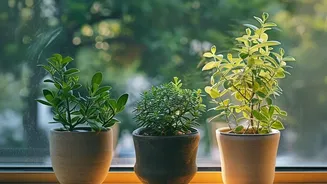
Have you noticed your plant bending towards the window in a slow-motion yoga pose? This isn't just a quirky habit; it's a survival instinct called phototropism. Plants are hardwired to grow towards their light source to maximize photosynthesis, the process
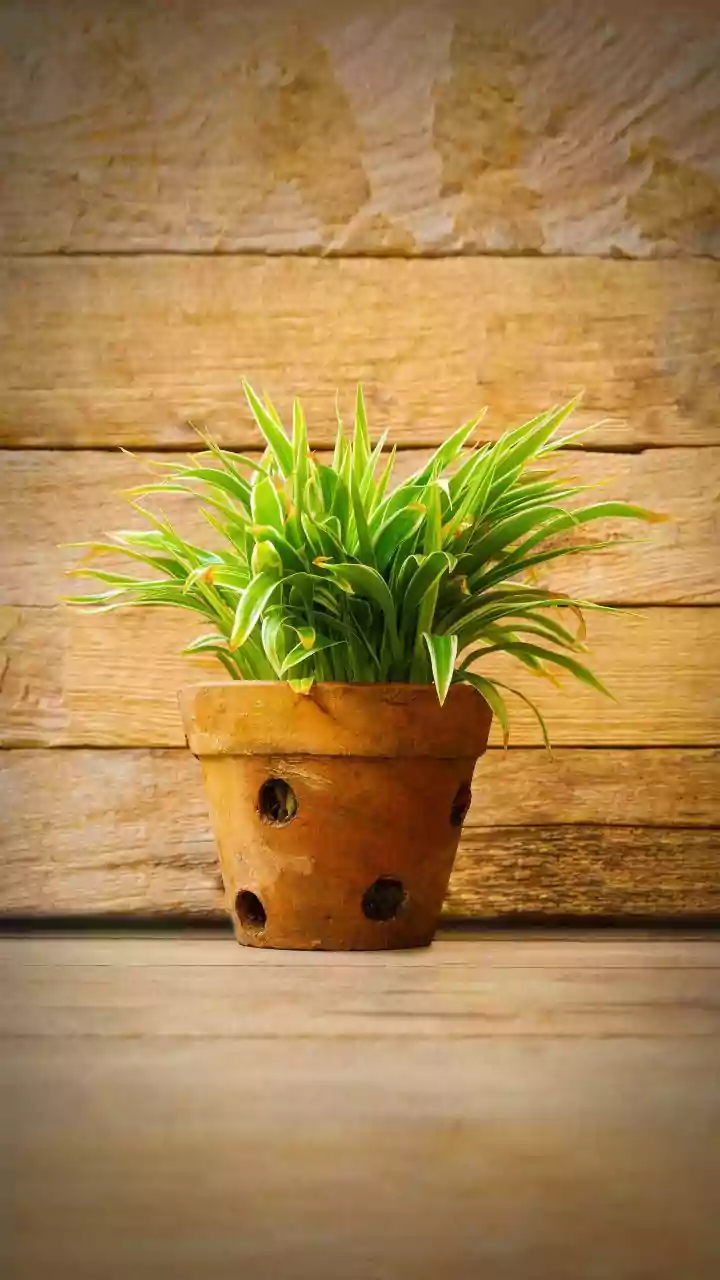
they use to create food. When that light comes from only one direction, the plant's growth hormones, called auxins, concentrate on the shaded side, causing those cells to elongate and creating the characteristic lean. Over time, this one-sided effort can result in a lopsided, structurally weak plant that looks full from the front but is sparse and bare from behind.
Rotation Is a Plant's Best Friend
The single most effective way to combat a lopsided plant is simple: rotate it. Giving your plant a quarter turn every week or two ensures that all sides receive a relatively equal amount of light over time. A popular and easy-to-remember method is to turn it slightly every time you water it. This simple act encourages even, symmetrical growth, leading to stronger stems and a fuller, more aesthetically pleasing shape. It also stimulates new growth in areas that were previously shaded, preventing those sparse patches from developing on the side facing away from the window.
The Problem of 'Leggy' Growth
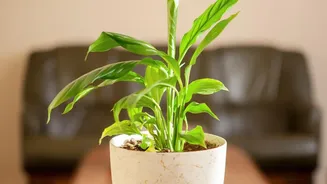
Another common issue with one-sided light is etiolation, often described as 'leggy' growth. This happens when a plant stretches desperately for light, resulting in long, weak stems with sparse leaves spaced far apart. The new growth may appear pale and thin because the plant is putting all its energy into reaching the light, sacrificing the development of robust leaves. You'll often see this manifest as a plant that drops its lower leaves while the stems continue to lengthen. While this is a natural response to insufficient light, it creates a fragile and unhealthy plant structure.
Pruning for Fuller, Healthier Plants
You can't reverse leggy growth on existing stems, but you can encourage new, bushier growth through strategic pruning. Don't be afraid to trim back those long, spindly stems. Cutting a stem just above a leaf node (the point where a leaf grows) signals the plant to redirect its energy into developing new branches from that point or from the base. This is especially effective in late winter or early spring, just before the main growing season. This targeted trimming will help your plant become denser and more compact, transforming it from gangly to gorgeous.
Window-Side Dangers: Temperature and Watering
A spot right next to a window isn't just about light; it's also a zone of fluctuating temperatures. The glass can get very hot in direct summer sun and icy cold during winter nights. Leaves touching hot glass can get scorched, while contact with a frigid pane can cause frost damage. It's wise to keep plants a few inches back from the glass. Furthermore, the side of the plant closer to the warm, sunny window will dry out much faster. This can lead to uneven watering, where one side of the root ball is parched and the other is damp. Always check the soil thoroughly before watering, not just the surface.