






Understanding the E20 Rollout
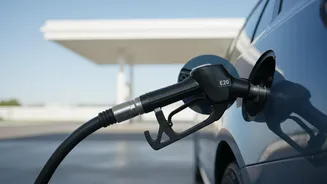
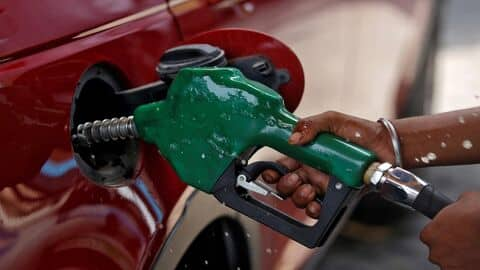
E20 petrol is a blend of 80% petrol and 20% ethanol. India has rapidly transitioned to this fuel, making it the default option at most pumps. The government's goal is to reduce the country's reliance on imported crude oil, lower carbon emissions, and support
the agricultural sector by using ethanol derived from crops like sugarcane. The target to achieve a 20% blend was met five years ahead of schedule, marking a significant shift in the country's energy policy. This quick rollout, however, has led to a flood of questions and concerns from vehicle owners about everything from mileage to engine health.
The Source of Contamination Worries
The primary concerns from drivers and even some auto industry bodies have centred on two main issues: moisture and chloride contamination. Ethanol is hygroscopic, meaning it naturally absorbs water from the atmosphere. If water content becomes too high, it can lead to 'phase separation', where the ethanol and water mixture separates from the petrol, potentially causing engine problems. Separately, there were allegations of elevated chloride levels in the fuel, which can be corrosive to certain metal components in a vehicle's fuel system. These worries were amplified by a since-withdrawn internal communication from the Society of Indian Automobile Manufacturers (SIAM) that flagged potential issues.
What the Latest Tests Revealed
In response to these growing concerns, India's major state-run oil marketing companies (OMCs)—Indian Oil, BPCL, and HPCL—launched an intensive, nationwide testing campaign. They collected hundreds of samples from every stage of the supply chain, including refineries, ethanol distilleries, storage depots, and over 160 retail fuel stations. The results, released in early August 2026, showed no evidence of widespread contamination. Chloride levels were found to be between 0-3 parts per million (ppm), well within the prescribed safety limits. The tests also found no signs of water ingress in the underground storage tanks at fuel stations, dismissing fears of systemic moisture contamination. While the OMCs noted two isolated instances of elevated chloride levels, supplies from those sources were immediately suspended for investigation.
What This Means for Your Vehicle
The test results from the OMCs provide reassurance that the E20 fuel being supplied across the country largely meets stringent quality standards. However, the question of vehicle compatibility remains. Vehicles manufactured since April 2023 are designed to be fully E20-compatible. For older vehicles (those not specifically designed for E20), the situation is more nuanced. While experts and government bodies state that E20 will not cause immediate or catastrophic engine failure, continuous use might accelerate the wear of older, non-compatible rubber and plastic parts in the fuel system, such as seals and hoses. Owners of older cars should not be alarmed, but it is wise to be more attentive to fuel system maintenance. A slight drop in mileage of 3-6% is also an expected trade-off, as ethanol contains less energy per litre than petrol.
Best Practices for Indian Drivers
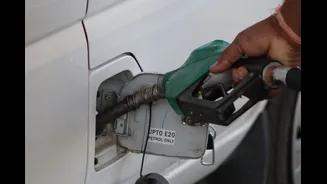
Given that E20 is now the standard fuel, there are several steps drivers can take. First, confirm if your vehicle is E20-compliant by checking the owner's manual or a sticker often found on the fuel lid. The government and automobile manufacturers have published lists of compatible models. For owners of older, non-compliant vehicles, pay close attention to your car's performance and have the fuel system inspected during routine servicing. To ensure fuel quality, always purchase petrol from reputable, high-volume stations. The OMCs have increased their quality checks, now testing for water and density up to 12 times a day at every outlet and deploying mobile testing labs to further ensure compliance and consumer confidence.