



The Pressure on Protein Prices
Recent trends show a noticeable increase in food costs, with protein-rich items like meat, eggs, and paneer seeing significant price hikes. Food inflation has become a persistent concern for many Indian households, making budget-conscious meal planning
more important than ever. While animal proteins have traditionally been go-to sources, their rising costs are forcing many to look for more affordable alternatives to meet their daily nutritional needs without straining their finances. This economic pressure has renewed focus on traditional, plant-based staples that have long been the backbone of Indian cuisine.
The Power of Pulses
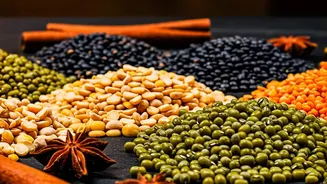
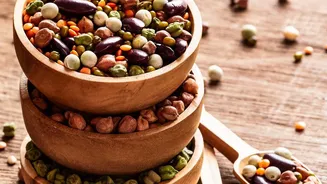
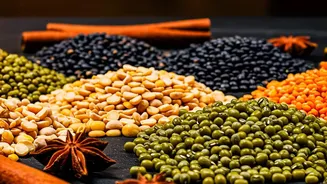
Enter pulses—the edible seeds of legume plants, including dals (lentils), beans, and chickpeas. For generations, they have been a cornerstone of the Indian diet, and for good reason. Pulses are nutritional powerhouses, packed with protein, dietary fibre, vitamins, and essential minerals like iron, potassium, and magnesium. Their high fibre content helps you feel fuller for longer, aiding in weight management, while their complex carbohydrates provide steady energy. For vegetarians and those looking to reduce meat consumption, pulses are an invaluable and readily available source of plant-based protein.
Protein by the Rupee
When it comes to affordability, pulses are in a league of their own. The most effective way to compare protein sources is by looking at the cost per gram of protein, not just the price per kilo. By this metric, pulses like chana dal, moong dal, and masoor dal are significantly cheaper than animal-based proteins like chicken, paneer, or even eggs. For example, the cost of one gram of protein from dal can be as low as ₹0.40-₹0.70, whereas the same gram from chicken breast might cost over ₹1.10, and from paneer, it could be more than ₹2.00. Soya chunks, another legume product, are the undisputed budget champion, offering protein at an even lower cost. This makes pulses one of the most economically smart choices for a protein-rich diet.
Your Budget-Friendly Pantry Staples
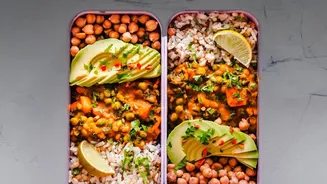
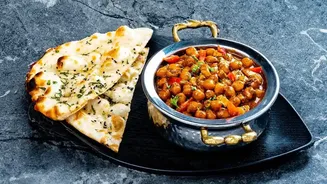
Stocking your pantry with a variety of pulses ensures you always have a healthy, low-cost meal option on hand. Key varieties to consider include: Moong Dal (Green Gram): One of the easiest pulses to digest, moong dal is rich in protein and cooks quickly, making it perfect for light meals like khichdi or simple dal fry. Chana Dal (Bengal Gram): With its nutty flavour and firm texture, chana dal is incredibly versatile. It's a cost-effective choice that holds up well in curries and can be ground into besan for snacks. Masoor Dal (Red Lentil): This dal cooks rapidly, making it a great option for busy weeknights. It's a good source of iron and fibre and is known for creating creamy, comforting soups and curries. Rajma (Kidney Beans): A favourite in North India, rajma is hearty, filling, and packed with protein and fibre. Paired with rice, it creates a complete protein meal that is both delicious and satisfying.
Thinking Beyond the Everyday Dal
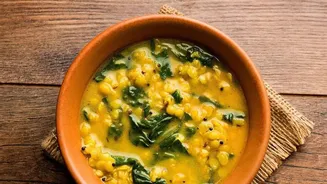
While a simple bowl of dal is nourishing, pulses can be used in countless other creative ways. Knead leftover dal into your chapati dough for added protein and flavour. Sprouted pulses can be added to salads for a crunchy, nutritious boost. You can make savoury pancakes like chilla from moong dal or besan, or craft delicious, protein-packed cutlets and kebabs from cooked chickpeas or kidney beans. Pulses can even be blended into dips like hummus or used as a base for hearty soups and stews, proving their versatility across a wide range of dishes and cuisines.