


Why Cooling Is a Crucial First Step
Before you even think about storage, patience is key. Storing roasted or cooked peanuts while they are still warm is a common mistake that can ruin your entire batch. Warm peanuts release moisture as they cool, and if they are sealed in a container, this
moisture becomes trapped as condensation. This creates a humid environment, which is the perfect breeding ground for mould and bacteria. It also turns your crunchy, perfectly roasted peanuts into a soft, stale letdown. To prevent this, spread your peanuts in a single layer on a tray or large plate after cooking. Let them cool completely to room temperature. This simple step ensures they are perfectly dry before being stored, locking in that satisfying crunch and protecting them from moisture-related spoilage.
The Enemies of Fresh Peanuts
To properly protect your peanuts, it helps to know what you’re fighting against. There are four main culprits that cause peanuts to spoil: air, moisture, heat, and light. Peanuts have a high content of healthy oils, but when these oils are exposed to oxygen, they begin to oxidize—a chemical process that causes rancidity. This is what gives old peanuts a sharp, unpleasant smell, sometimes described as being like paint, and a bitter taste. As mentioned, moisture encourages mould growth, while heat and light accelerate the oxidation process, making peanuts go bad much faster. Therefore, the ideal storage solution is one that creates a cool, dark, dry, and airtight environment.
Choosing Your Airtight Champion
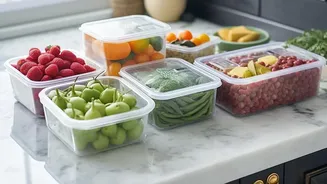
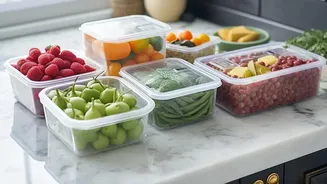
An airtight container is your most important tool in the fight for freshness. By creating a tight seal, it prevents oxygen from getting in and causing the oils to go rancid. It also blocks humidity and protects the peanuts from absorbing other odours from your pantry or refrigerator. You have several good options when it comes to materials. Glass jars with tight-fitting lids are an excellent choice because glass is non-porous and won't transfer any chemical tastes. Food-grade plastic containers with locking lids or heavy-duty resealable zip-lock bags are also effective, just be sure to squeeze out as much air as possible before sealing them. The key is the quality of the seal, which should be strong enough to keep air and moisture out completely.
The Hidden Risk of Aflatoxins
Beyond just taste and texture, proper storage is a matter of food safety. Peanuts stored in warm, humid conditions can be susceptible to the growth of certain moulds, specifically Aspergillus species. These moulds can produce toxic compounds called aflatoxins. While commercial peanuts undergo rigorous testing to minimise this risk, improper storage of raw or processed peanuts at home can reintroduce the danger. Aflatoxins are a serious health concern and can cause liver damage with long-term exposure. Storing peanuts in a dry, cool environment is a critical step in preventing the mould growth that leads to aflatoxin production, ensuring your snack is not only delicious but also safe to eat.
Pantry, Fridge, or Freezer?
Where you store your airtight container of peanuts also makes a significant difference. For short-term storage (a few months), a cool, dark pantry away from any heat sources like the stove is sufficient for shelled peanuts. However, for longer-term freshness, the refrigerator or freezer is your best bet. The cold temperature dramatically slows down the oxidation of the oils, preserving the flavour and nutritional value for much longer. In the refrigerator, shelled peanuts can last for up to nine months, while in the freezer, they can stay fresh for a year or even longer. This makes cold storage the gold standard for anyone who buys peanuts in bulk or wants to ensure they always have a fresh supply on hand.