


The Allure of an Untouched Land
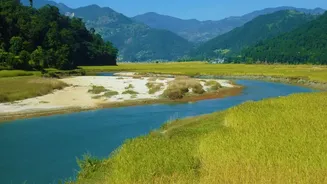
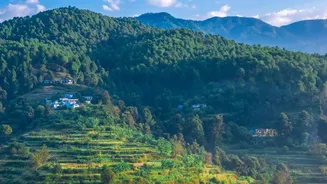
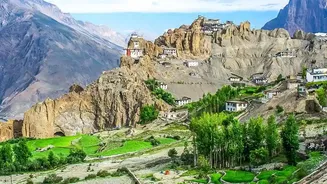
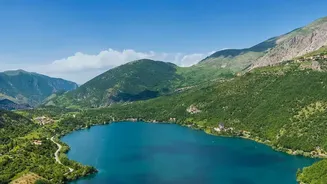
Mago is not a typical tourist stop; it's a working village that exists at the edge of India, home to the Monpa community and their herds of yak. Situated at over 3,500 metres, its allure lies in its raw, untouched beauty. The main attractions aren't monuments,
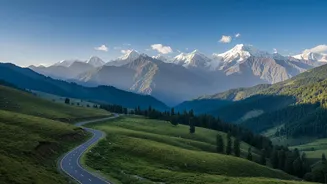
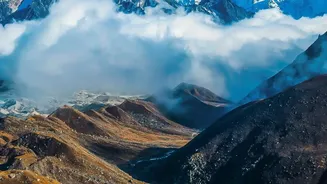
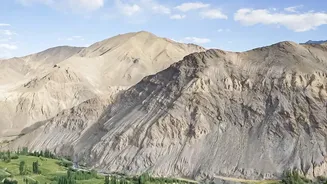
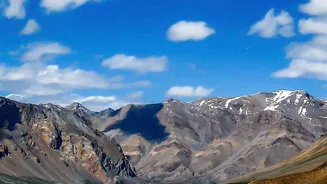
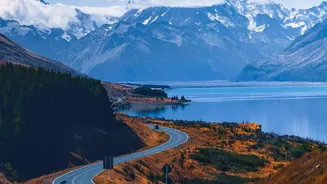
but experiences: the therapeutic waters of natural hot springs, majestic waterfalls, and vast, silent meadows surrounded by towering Himalayan peaks. It’s a destination for those seeking to disconnect from the grid and reconnect with a landscape where nature remains supreme. The journey is an adventure into a world of glacial rivers, pine forests, and a silence that stretches for miles.
The Journey Demands a Worthy Vehicle
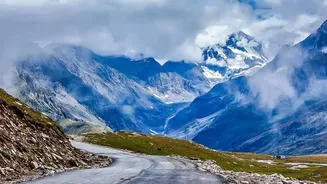
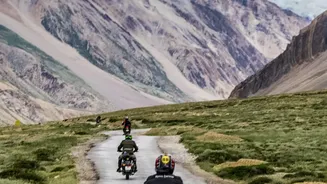
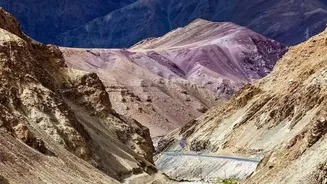
Reaching Mago is an expedition. The drive from Tawang town, the nearest major hub, is approximately 85-110 kilometres but can take anywhere from five to eight hours one way. The road, especially past the town of Jang, is rugged, unpaved in sections, and requires skillful navigation. A standard car will not suffice; a high-ground-clearance 4x4 vehicle, such as a Scorpio or Sumo, is essential for tackling the challenging terrain. The most common route follows the Mago Chu river through a narrow gorge, featuring remarkable C-shaped caverns carved into cliff faces by the Border Roads Organisation. An early start from Tawang, ideally by 7 AM, is crucial to account for the slow pace and potential delays.
Permits: Your Key to the Frontier
Arunachal Pradesh is a permit-regulated state, and access to sensitive border areas like Mago requires proper documentation. Indian citizens must obtain an Inner Line Permit (ILP) before their trip. This can be applied for online through the official government portal. Foreign nationals require a Protected Area Permit (PAP), which typically must be arranged through a registered tour operator for a group of two or more. It is critical to carry multiple physical copies of your permits and a government-issued photo ID, as they will be checked at several army checkpoints along the route. Digital copies on a phone are often not accepted in these remote locations.
Timing Your Adventure
Choosing the right season is vital for a successful and safe trip to Mago. The valley has two primary travel windows. The first is in the spring and pre-monsoon months of April to mid-June, when the weather is pleasant and the landscape turns green. The second, and often recommended, window is during autumn, from September to November. During this post-monsoon period, the skies are typically clear, offering crisp, stunning views of the Himalayan peaks and vibrant landscapes, and the roads are in their best condition. Travel during the peak monsoon season is strongly discouraged due to the high risk of landslides, while deep winter can bring heavy snowfall that renders roads impassable.
Essential Preparations for a Remote Trip
Self-sufficiency is paramount when travelling to Mago. There are no ATMs, and mobile networks are unreliable at best, so carrying enough cash from Tawang is a necessity. Pack warm, layered clothing, as temperatures can drop suddenly, even in summer. Given the limited food stalls, it is wise to carry your own snacks and water. A basic first-aid kit, along with any personal medications, should be part of your luggage. Ensure all your electronic devices, including power banks, are fully charged before you leave Tawang. Because the drive is long and strenuous, acclimatising in Tawang for a day or two before heading to Mago is highly recommended to adjust to the high altitude.