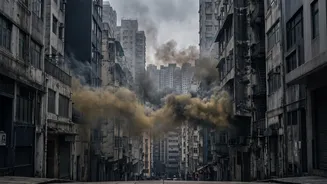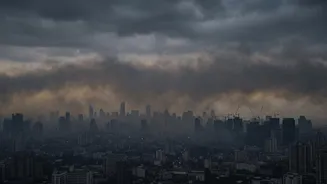




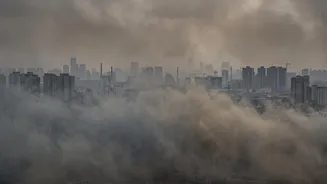

The Science is Settled: A Confirmed Link
Let's be clear: the connection between air pollution and cancer is not a theory. The International Agency for Research on Cancer (IARC), a part of the World Health Organization, has classified outdoor air pollution and its key component, particulate matter
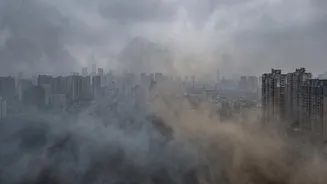
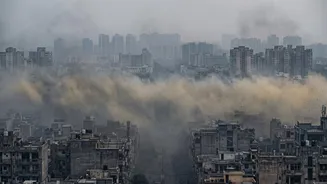
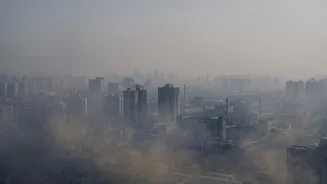
(PM2.5), as a 'Group 1 carcinogen'. This is the most serious category, reserved for agents with sufficient evidence of causing cancer in humans, placing polluted air in the same category as tobacco smoke and asbestos. Doctors in Delhi are witnessing this firsthand, reporting a disturbing rise in lung cancer cases among non-smokers, younger people, and women—demographics that historically had lower rates. Many of these cases are a specific type called adenocarcinoma, which is increasingly linked to environmental factors.
How Pollution Triggers Cancer
The primary culprit is PM2.5—fine inhalable particles smaller than 2.5 micrometers. These particles are so tiny they can bypass the body's natural defenses and lodge deep within the lungs. For years, it was thought these particles caused cancer primarily by directly damaging DNA. While that can happen, recent groundbreaking research has uncovered a more insidious mechanism. Studies show that these pollutants don't always cause new genetic mutations, but instead trigger chronic inflammation. This inflammation can 'awaken' dormant, pre-existing mutations that are present in many healthy, normal lung cells. Essentially, the pollution acts as a promoter, pushing these cells that were otherwise harmless down a path of uncontrolled growth that can lead to a tumour.
Risk is a Probability, Not a Promise
This is the most critical point to understand. An increased risk does not mean a cancer diagnosis is inevitable for everyone breathing polluted air. A 'risk factor' is any attribute or exposure that increases the probability of developing a disease. Think of it like smoking: while it dramatically increases the risk of lung cancer, not every smoker will develop it. Similarly, not everyone living in Delhi will get cancer from pollution. Many factors interact to determine an individual's health outcome, including the duration and intensity of exposure, genetics, lifestyle, and overall health. For example, some people may have a higher genetic predisposition that makes their cells more vulnerable to the effects of pollution. The key takeaway is that the odds are shifted against you in a high-pollution environment, but it is not a predetermined sentence.
More Than Just Cancer
While cancer is the most feared long-term outcome, it's important to remember that air pollution poses more immediate and widespread health threats. The same PM2.5 particles linked to cancer are also proven to cause or worsen a range of other serious conditions. This includes heart attacks, strokes, asthma, chronic obstructive pulmonary disease (COPD), and adverse birth outcomes. These conditions affect a much larger portion of the population than cancer and represent the more immediate danger of poor air quality. Focusing solely on cancer can sometimes obscure the broader public health crisis that is happening every day in the form of cardiovascular and respiratory illnesses linked directly to the air we breathe.
Navigating the Risk
While the responsibility for clean air lies with systemic policy changes, individuals are not entirely helpless. Taking steps to reduce personal exposure can make a difference. The first step is awareness: monitor the Air Quality Index (AQI) daily. On days with 'Severe' or 'Hazardous' air quality, it's best to minimise time outdoors, especially strenuous exercise. When you must go out, wearing a well-fitted N95 or FFP2 mask can significantly reduce the inhalation of PM2.5 particles. Indoors, where we spend most of our time, using a HEPA-filter air purifier can create a much cleaner breathing environment. These measures don't eliminate the risk, but they can lower your cumulative exposure to these harmful pollutants, which is a crucial part of managing your health in a polluted city.