


What Exactly Is Okra Water?
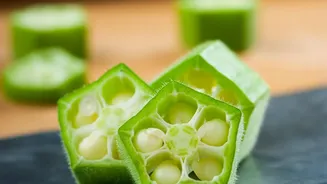
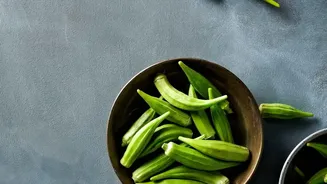
Okra water is the liquid that results from soaking or boiling sliced okra pods. The vegetable, also known as bhindi or lady's finger, releases a thick, gel-like substance called mucilage when steeped in water. This natural gel is the reason for the water's
unique, slippery texture that has caught the attention of DIY beauty enthusiasts. The process is simple: fresh okra pods are sliced, soaked in water overnight, and the resulting liquid is strained. This infusion is then used as a facial toner, mist, or as a base for face masks.
The Science Behind the Slime
The primary appeal of okra water lies in its high mucilage content. Mucilage is made of polysaccharides, which are natural humectants. This means they attract and hold onto water, providing a hydrating effect on the skin. When applied topically, this can leave the skin feeling soft, moisturised, and supple. In fact, because of this property, some in the beauty industry have nicknamed okra extract "plant mucin," positioning it as a vegan alternative to the popular snail mucin for its similar hydrating and skin-smoothing feel. Beyond hydration, okra is also a good source of vitamins A, C, and K, as well as antioxidants like flavonoids and polyphenols.
Potential Beauty Benefits
Advocates for okra water point to a number of potential skin benefits, largely tied to its nutritional profile. The high water and mucilage content provide significant hydration, which can help plump the skin and reduce dryness. The presence of Vitamin C is known to be crucial for collagen production, which helps maintain skin elasticity and firmness, potentially reducing the appearance of fine lines. Antioxidants in okra help combat free radicals, which are unstable molecules that can damage skin cells and accelerate aging. Furthermore, some sources claim that okra possesses anti-inflammatory and antibacterial properties, which could help soothe irritated skin and calm acne breakouts.
A Word of Caution from Experts
While the anecdotal evidence is plentiful, scientific research specifically on topical okra water is very limited. Dermatologists and skincare experts urge caution. A primary concern with any homemade, water-based skincare product is the risk of bacterial growth. Without preservatives, a DIY okra toner can become a breeding ground for microbes, which could lead to skin infections or irritation. Furthermore, while okra is generally considered safe, some people may have an allergy or sensitivity to it. It's recommended to perform a patch test—applying a small amount to an inconspicuous area of skin and waiting 24 hours—to check for any adverse reaction before applying it to your entire face.
How to Make Your Own
If you decide to try it, preparing okra water is straightforward. Start by thoroughly washing 4-5 fresh okra pods. Slice them into small pieces and place them in a clean jar with about one cup of water. Let the mixture soak in the refrigerator overnight, or for at least 8 hours. In the morning, the water will have a thicker, slightly viscous consistency. Strain the liquid into a clean spray bottle or container to separate it from the okra pieces. Due to the risk of spoilage, it is crucial to store it in the refrigerator and to make a fresh batch every few days. Some users also add a few drops of Vitamin E oil, which can act as a mild preservative.
The Verdict: Is It Worth It?
Okra water can be a fun, hydrating, and inexpensive addition to a skincare routine for those who enjoy DIY beauty and have non-sensitive skin. Its gel-like texture provides an immediate feeling of moisture and plumpness. However, it is not a miracle cure for skin conditions like acne or wrinkles. The benefits are largely attributed to hydration and the vitamins present in the vegetable, but these are not delivered in a targeted or stabilized formula like a commercial skincare product. Think of it as a temporary, soothing treatment rather than a long-term solution. For persistent skin concerns, professionally formulated products backed by clinical research remain the most reliable option.