





What is the Gen 2 Proposal?
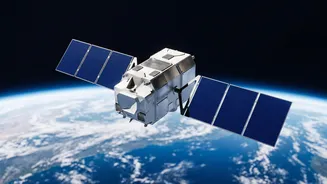
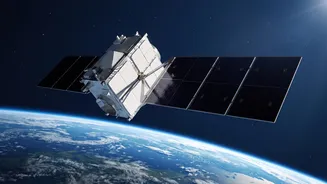
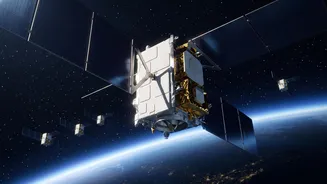
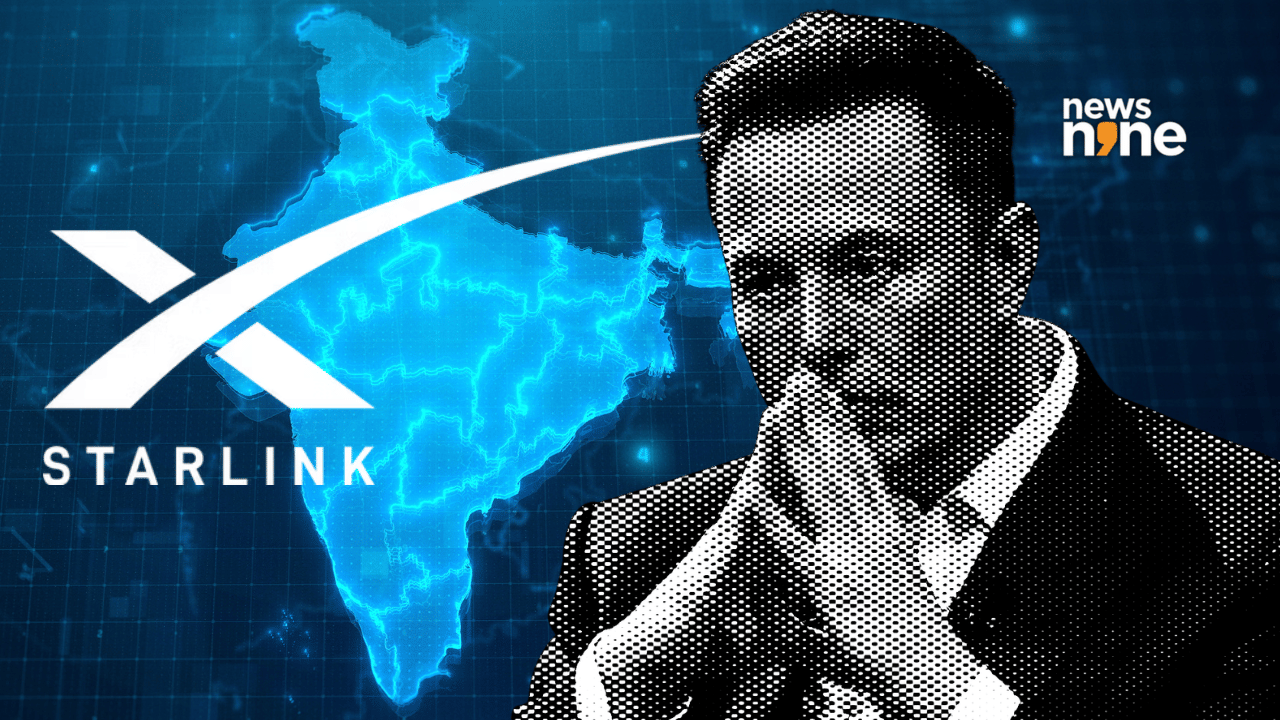
Starlink, the satellite internet arm of SpaceX, has submitted a fresh application to India's space regulator, IN-SPACe, for its second-generation (Gen 2) satellite network. This isn't just a minor upgrade; the proposal covers nearly 30,000 satellites
in low Earth orbit. These Gen 2 satellites are more powerful than their predecessors, designed for greater capacity and speed. Crucially, the application includes plans for direct-to-device (D2D) technology, which would allow standard mobile phones to connect directly to satellites, bypassing the need for terrestrial towers—a potential game-changer for rural and remote areas.
A Second Attempt at a New Frontier
This is not Starlink's first attempt to get its Gen 2 network approved in India. An earlier application was rejected because certain features and frequency bands did not align with Indian regulations. This revised proposal is a clear signal of the company's determination to enter the Indian market. While its first-generation constellation of over 4,400 satellites was approved by IN-SPACe in July 2025, that clearance did not include the right to begin commercial service. This new, much larger proposal for Gen 2 shows Starlink is doubling down on its Indian ambitions, aiming for a far more expansive and capable network from the outset.
Why India is the Ultimate Prize
With hundreds of millions of people still without high-speed internet access, particularly in rural areas, India represents one of the largest untapped markets in the world. As of May 2026, over 11,000 villages still lacked 4G coverage. Satellite internet offers a way to connect these hard-to-reach locations without the immense cost and time required to build terrestrial infrastructure like fibre optic cables. Elon Musk himself has framed the push in these terms, stating that "Starlink would help the least served in India, especially in rural areas". The sheer scale of the opportunity makes navigating India's complex regulatory environment a worthwhile challenge for global players.
A Crowded and Competitive Sky
Starlink is not entering an empty arena. India's telecom giants, Reliance Jio and Bharti Airtel, have already made significant moves into the satellite space. Bharti-backed Eutelsat OneWeb has a license and a constellation of over 600 satellites ready to offer services. Reliance Jio, in partnership with SES, has launched its own service, JioSpaceFiber, targeting similar remote and enterprise markets. Even Amazon's Project Kuiper is in the regulatory queue. Furthermore, both Jio and Airtel have signed separate distribution agreements with Starlink, creating a complex web of partnership and competition where they could both distribute Starlink's service and compete against it with their own offerings.
The Long Road of Regulation
Getting approval for the satellite constellation from IN-SPACe is just one step on a long regulatory journey. To begin commercial operations, Starlink still needs to secure crucial security clearances and, most importantly, be allocated spectrum from the Department of Telecommunications (DoT). The method of spectrum allocation—whether it is auctioned or assigned administratively—has been a major point of contention within the industry. Security concerns have also been a significant hurdle, with the government reportedly pausing clearances in mid-2026 to address anxieties over data and network control.