





The End of the Whistle-Stop Tour
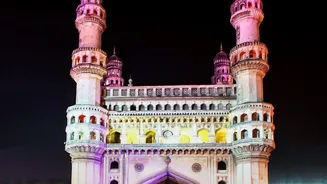
For years, the hallmark of a successful Indian holiday was speed and volume: five cities in seven days, a blur of airports, monuments, and photo opportunities. But that breathless pace is giving way to a philosophy known as ‘slow travel’. This approach
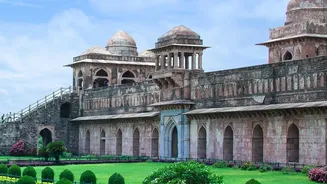
champions depth over distance. Instead of rushing to tick boxes, travellers are choosing to plant their roots in one place—be it a quiet homestay in the hills of Himachal, a rented villa in Goa, or a heritage property in Rajasthan—for a week, two weeks, or even a month. The goal is to move beyond being a tourist and become, even if temporarily, a part of the local rhythm. It's about unpacking your bags, both literally and mentally, and allowing a destination to reveal itself at its own pace.
What’s Driving This Slower Pace?
Several factors are fuelling this significant shift in travel habits. The post-pandemic world has left many with a desire for more meaningful pursuits, and travel is no exception. Widespread workplace burnout, especially among Gen Z and millennials, has also created a powerful need for restorative breaks rather than exhausting ones. Furthermore, the rise of remote and hybrid work models has untethered a segment of the population from their desks. An estimated 73% of Indian travellers plan to combine work and leisure, making longer 'workations' not just possible but increasingly popular. There is also a growing awareness of sustainability; staying longer in one place reduces the carbon footprint associated with constant transit and channels tourism revenue more directly into local communities.
From Sightseeing to ‘Sense-Seeing’
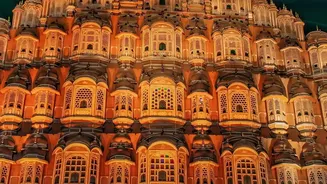
This new style of travel fundamentally changes the holiday agenda. The focus moves from a visual checklist of landmarks to a multi-sensory immersion. Instead of just seeing the Taj Mahal, it might mean spending days exploring Agra's lesser-known corners. Experiential travel is the new buzzword, with travellers seeking authentic connections. This could involve taking a cooking class with a local family in Kerala, learning a traditional craft from artisans in Jaipur, or simply spending afternoons reading in a local café and observing daily life. The result is a richer, more textured memory of a place. It transforms a trip from a simple escape into an opportunity for genuine connection and personal enrichment. As one report notes, people are craving stories and feelings, not just photos.
The New Hotspots for Deep Dives
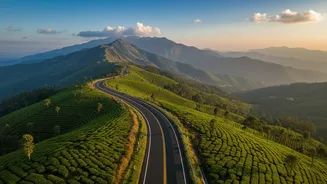
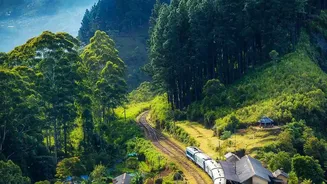
While traditional tourist hubs still draw crowds, this trend is boosting the appeal of destinations that reward patience. Digital travel platforms have noted a significant rise in searches for quieter places like Dharamshala and Rishikesh. Homestays, boutique hotels, and branded villas are experiencing a surge in popularity as they offer the privacy and authenticity that slow travellers crave. The backwaters of Kerala, the tea estates of the East, and the tranquil coasts of Karnataka are all becoming prime locations for this unhurried exploration. This shift also benefits offbeat destinations, pulling travellers away from over-touristed centres and spreading the economic benefits more widely. Ultimately, the destination becomes less about a pin on a map and more about a space to connect—with the local culture, nature, and oneself.