



Why We All Need More Fibre
First, a quick refresher on why fibre is the talk of the town in nutrition circles. Dietary fibre, the part of plant foods your body can't digest, is a powerhouse for your health. It is crucial for maintaining a healthy digestive system and preventing
constipation. But its benefits go far beyond that. A high-fibre diet can help with weight management by making you feel fuller for longer. It plays a significant role in stabilising blood sugar levels, lowering 'bad' LDL cholesterol, and reducing the risk of chronic illnesses like heart disease, stroke, and type 2 diabetes. The Indian Council of Medical Research (ICMR) suggests a daily intake of around 30 grams of fibre for the average adult, but most people fall short of this target.
The Front-of-Pack Promise
When a package shouts 'High Fibre' in bold letters, it’s a marketing strategy designed to catch your eye. In India, the Food Safety and Standards Authority of India (FSSAI) regulates these claims. For a brand to legally label its product as a 'source of fibre' or 'high fibre', the food must contain a minimum specified amount of fibre. This is a good thing, as it prevents completely baseless claims. However, this front-of-pack declaration is only the beginning of the story. It’s designed to create a 'health halo' around the product, making you feel good about putting it in your cart without further investigation. But the most important information isn't on the front; it's on the back.
The Serving Size Trap
Here is the single most common way that nutrition labels can mislead you: the serving size. FSSAI rules mandate that nutrition information must be listed per 100g and per serving. The problem is that manufacturers get to define the 'serving size' themselves. Often, this is an unrealistically small amount. For example, a box of 'high-fibre' digestive biscuits might list the serving size as two biscuits. The label may show that this serving provides 2 grams of fibre, which seems reasonable. However, who stops at just two biscuits? If you eat a more realistic portion of four or five biscuits, you are also doubling or tripling the sugar, salt, and fat content, which are often high in such processed foods. The 'high-fibre' claim is technically true for the tiny serving suggested, but it's misleading for a real-world portion.
Become a Label Detective: A 3-Step Guide
To make genuinely informed choices, you need to ignore the flashy claims on the front and become a label detective. It only takes a few seconds. 1. Flip the Pack: Your first move should always be to turn the package over to find the Nutrition Facts panel and the ingredients list. 2. Focus on 'Per 100g': While you'll see columns for 'per serving' and 'per 100g', the 'per 100g' column is your best tool. It allows you to compare different products fairly, apples to apples. A product that seems low in sugar per serving might look very different when you see its content per 100g. 3. Scan the Ingredients: The ingredients are listed in descending order by weight. If you're buying a 'whole wheat' product, you want to see 'whole wheat flour' as the first or second ingredient, not refined flour (maida) or sugar.
What Does a Good Fibre Score Look Like?
Now that you're looking at the 'per 100g' column, what should you be looking for? As a general rule of thumb for fibre: - Over 6g of fibre per 100g is considered high. - 3g of fibre per 100g is a 'source' of fibre. When you see a product like a breakfast cereal or a snack bar, check this number. If a cereal has 8g of fibre per 100g, a 40g bowl will give you over 3g of fibre — a decent contribution to your 30g daily goal. If another cereal only has 2g of fibre per 100g, it offers very little benefit, no matter what the front of the box claims. By using the 'per 100g' value, you can quickly see which product offers real nutritional value and which is just marketing fluff.
Don't Forget the Unpackaged Heroes
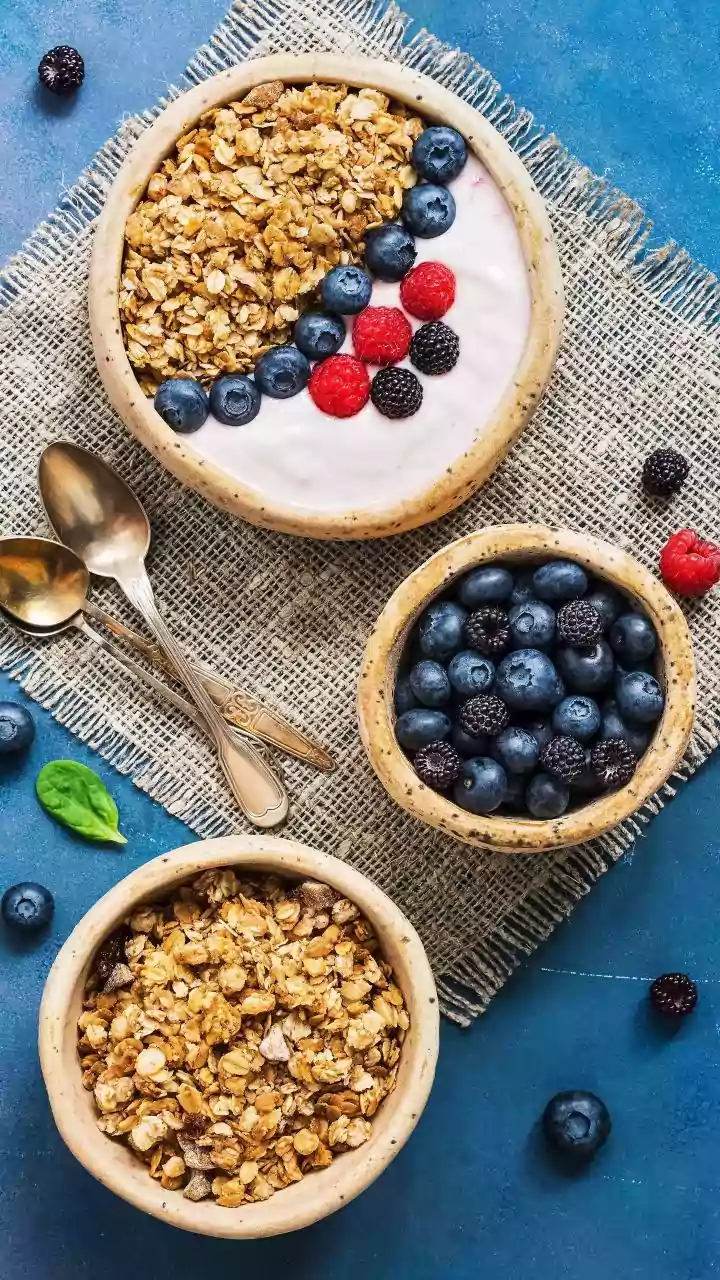
While learning to decode labels is a vital skill for modern life, it's also important to remember that the most reliable sources of fibre don't come in shiny packages. Whole foods are your best bet. Fruits like bananas, apples, and berries; vegetables like carrots and broccoli; legumes like lentils, chickpeas, and beans; and whole grains like oats, barley, and brown rice are all packed with fibre. These foods form the foundation of a healthy diet and help you easily meet your daily fibre needs without having to worry about misleading claims or hidden sugars.