


A Fork in the Road for Delhi's Air
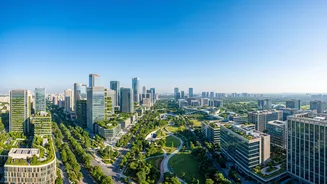
A recent report by the UN Environment Programme (UNEP) and the Climate and Clean Air Coalition (CCAC) presents Delhi with a clear choice. Titled 'Hidden Assets: The Economic and Health Case for Climate and Clean Air Action', the assessment doesn't just
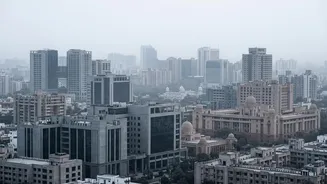
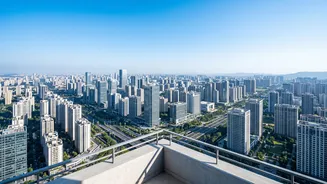
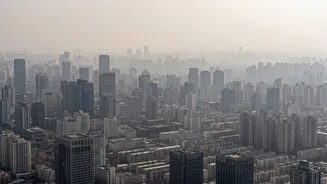
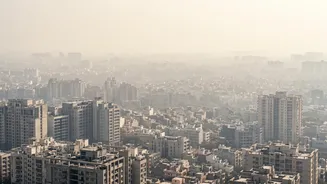
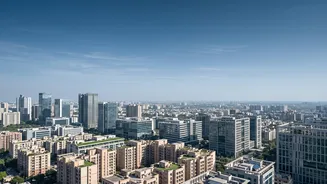
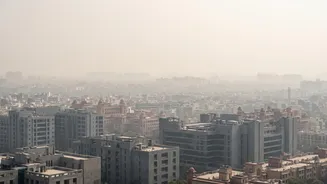
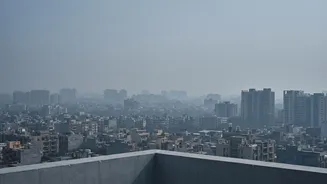
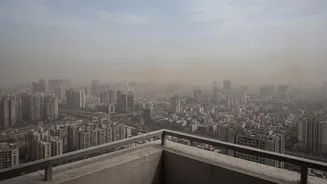
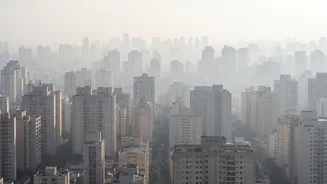
rehash the problem; it outlines two distinct futures. If Delhi successfully meets its national air quality standards on schedule starting from 2026, it could reduce the public's exposure to harmful PM2.5 particles by 20% by 2040. However, the report warns that a delay of about eight years—an average figure expected globally due to institutional barriers—would slash those gains in half, resulting in only a 10% reduction. This seemingly small delay translates into significantly worse health outcomes and steeper economic penalties for the city and its residents.
The Staggering Cost of Doing Nothing
The UN report frames the fight for clean air in stark economic terms. Globally, the analysis found that every dollar invested in integrated climate and clean air actions could yield around fifteen dollars in economic benefits. These gains come from reduced healthcare costs, higher worker productivity, and avoided physical damage. For South Asia specifically, the economic burden of air pollution is already equivalent to 10% of the region's GDP. The global cost of delaying implementation is estimated to be over USD 1.5 trillion in lost benefits each year. In India, a 2019 study published in The Lancet highlighted that economic losses from premature deaths and illnesses due to air pollution amounted to 1.36% of the country's GDP. This new UN report reinforces that inaction is not just a health crisis but an active economic drain.
More Than Just a Winter Cough
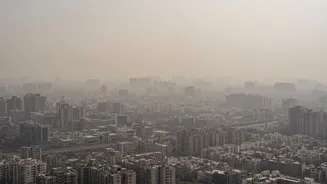
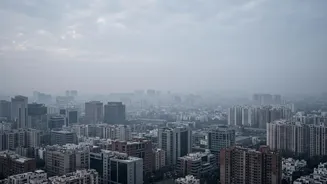
The health impacts detailed in related global assessments are alarming. In 2025, human-caused outdoor air pollution was linked to an estimated 6.4 million premature deaths worldwide, with household air pollution contributing another 2 million, including 300,000 children. Beyond mortality, chronic exposure to PM2.5 and ozone is linked to millions of new cases of childhood asthma, dementia, heart attacks, diabetes, and lung cancer every year. Some studies have suggested that residents in heavily polluted areas like Delhi could see their life expectancy reduced by several years. The UN's latest findings underscore that the daily discomfort of smog is just the visible symptom of a deep-rooted public health emergency that affects the most vulnerable—children, the elderly, and outdoor workers—the hardest.
A Practical, 25-Step Path Forward
The report is not all doom and gloom. It identifies 25 feasible solutions that can simultaneously tackle air pollution and climate change. These measures are not futuristic concepts but practical steps available today. They include a rapid transition to renewable energy, improving energy efficiency in homes and industries, promoting the use of electric vehicles, enforcing stricter emission standards, and providing cleaner cooking and heating solutions. For South Asia, the report highlights clean cooking as a top priority, citing India's Pradhan Mantri Ujjwala Yojana (PMUY) as a positive example of expanding access to cleaner fuels like LPG. The message is clear: the tools to fix the problem already exist.
The Real Barrier: Getting It Done
So, if the solutions are known and the economic case is strong, what's the hold-up? The UN report points directly at institutional barriers as the biggest cause of delay worldwide. Issues like fragmented decision-making between different government departments, weak enforcement of existing laws, and poor coordination can slow progress by years. This is the core challenge for Delhi and for India. Achieving the 20% reduction in pollution exposure hinges not on inventing new technology, but on creating the political and administrative will to implement what is already known to work. Strengthening these enabling conditions, the report says, could bring all 25 solutions into place up to a decade sooner.