

What Exactly Is Poha Upma?
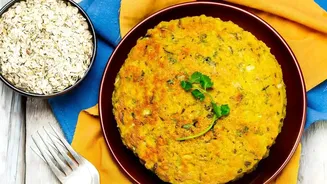
Poha Upma, also known as Aval Upma in Tamil Nadu or Atukula Upma in Andhra Pradesh, is a popular breakfast dish across India. It's a delightful hybrid that combines the core ingredient of poha (flattened rice) with the cooking style of upma, a dish traditionally
made with semolina (rava). Unlike standard poha, which is often simply rinsed and tossed with spices, Poha Upma involves a more elaborate tempering process with mustard seeds, lentils like urad dal and chana dal, curry leaves, and ginger, giving it a flavour profile similar to its semolina-based cousin but with a uniquely light and fluffy texture. The use of flattened rice instead of semolina is the key difference, creating a dish that is quicker to cook and lighter on the stomach.
The Classic Savoury Delight
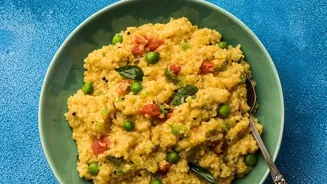
The most common preparation of Poha Upma is a savoury one, celebrated for its complex flavours and textures. The process begins with a fragrant tempering of spices in hot oil. Onions are sautéed until translucent, followed by vegetables like peas, carrots, and potatoes, which make the dish more filling and nutritious. Some recipes call for peanuts or cashews to add a welcome crunch. Turmeric gives the dish its characteristic yellow hue, while green chillies provide a gentle heat. The rinsed and softened poha is then added to the pan and gently folded in with the cooked vegetables and spices. A final squeeze of lemon juice brightens all the flavours, and a garnish of fresh coriander leaves adds a touch of freshness. This version is a complete and balanced meal, perfect for a hearty breakfast or a light lunch.
Embracing the Sweet Variations
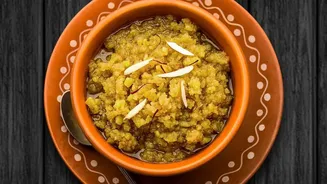
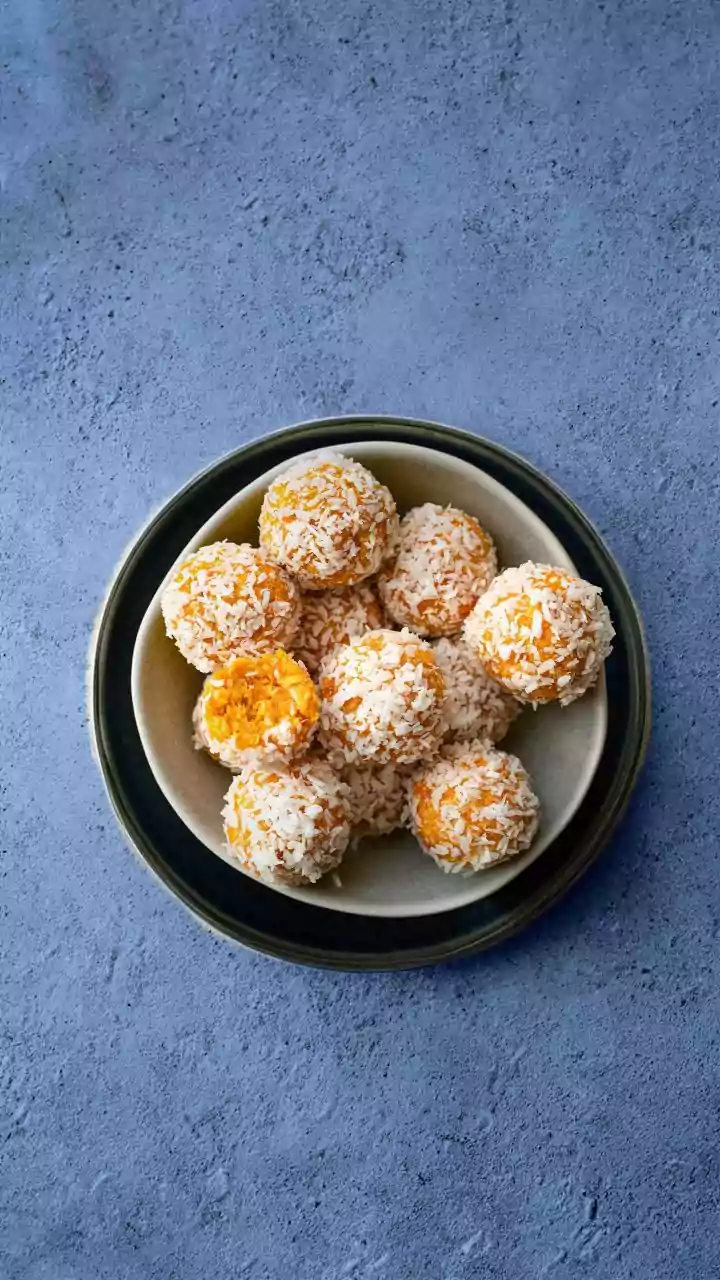
While the savoury version is more widespread, the headline's promise of a sweet option is just as delicious. Sweet poha, often called 'Vella Aval' or 'Teepi Atukulu', is a simple, no-cook preparation that is especially popular during festivals like Janmashtami. In this avatar, the rinsed flattened rice is mixed with grated jaggery or coconut sugar, fresh grated coconut, and a pinch of cardamom powder for fragrance. A spoonful of ghee binds the ingredients and adds richness. Toasted nuts like cashews and almonds are often folded in for texture. This sweet preparation can be enjoyed as a light dessert, a quick energy-boosting snack, or a festive offering. It showcases the incredible adaptability of flattened rice, which readily absorbs the sweet, earthy flavour of jaggery.
A Nutritional Powerhouse
Beyond its taste and versatility, poha is celebrated for its health benefits. As a minimally processed food, it retains more nutrients than white rice. It's a fantastic source of healthy carbohydrates, providing sustained energy without causing sharp spikes in blood sugar, making it a good option for those managing diabetes. Flattened rice is also rich in iron, which can help prevent anaemia. Being naturally gluten-free and low in calories, it's gentle on the digestive system and an excellent choice for weight management. The fermentation process it undergoes during preparation also gives it probiotic qualities, promoting good gut health. When combined with dal and a variety of vegetables, Poha Upma becomes a well-rounded meal packed with fibre, protein, and essential vitamins.
Tips for Perfect, Fluffy Poha
The key to a great Poha Upma lies in the texture of the flattened rice; the goal is fluffy and separate, not mushy. The most critical step is to choose the right kind—medium or thick poha flakes work best, as thin varieties tend to get soggy. The soaking process is actually a misnomer; you should never soak poha in a bowl of water. Instead, place the poha in a colander and rinse it under running water for just a few seconds until it softens. Let it drain completely for about 5-10 minutes. You can test its readiness by pressing a flake between your thumb and finger; it should crush easily. When cooking, always use a wide pan to give the flakes space and fold them in gently rather than stirring vigorously to prevent them from breaking.