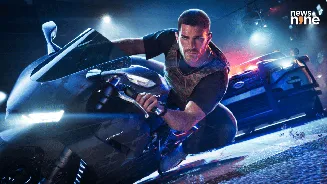








After more than a decade of anticipation, Grand Theft Auto VI is finally here. A major investigation by The Guardian has revealed the inside story of its creation, painting a picture of a studio grappling with immense pressure and cultural change.
A Studio Transformed
The
development of GTA VI took place in the shadow of Rockstar Games' past. Following the 2018 release of Red Dead Redemption 2, the company faced a public reckoning over its 'crunch culture', with reports of employees working 100-hour weeks to finish games. In response, Rockstar promised significant changes. According to reports from Kotaku and Bloomberg, the studio implemented initiatives like flexible schedules, anonymous employee surveys, and leadership training. Insiders described the atmosphere as shifting from a 'boys' club' to a more professional company, with a focus on reducing mandatory overtime. This cultural transformation was a core challenge during GTA VI's long development, as the studio sought to produce its most ambitious game ever while fostering a more sustainable work environment.
The Billion-Dollar Pursuit of Perfection
Creating the world of Leonida, GTA VI's fictionalised Florida, was a monumental undertaking that began with research trips as early as 2015. According to a deep-dive feature in The Guardian, developers immersed themselves in the real-life Miami, riding along with police and soaking in the atmosphere of the Florida Keys. The goal was to build a world with an absurd level of detail, a feat that involved a global team of nearly 5,000 people and a budget estimated to be over $1 billion. Rockstar's co-studio head, Rob Nelson, admitted the game is so vast that no single person could hold it all in their head. This maximalist approach, from the physics of liquid sloshing in a bottle to the fully readable magazines on a store shelf, is described as being 'out of reach for any other game developer', a result of Rockstar's immense resources and time.
Impact of the Unprecedented Leaks
The game's development was rocked by one of the largest leaks in video game history in September 2022, when a hacker released over 90 files of early footage. The unfinished gameplay clips, showing protagonists Jason and Lucia, confirmed the Vice City setting and new mechanics but also distorted the public's perception of the final product. Rockstar stated the breach cost the company around $5 million and thousands of hours of staff time. The leaks were described as 'heartbreaking' for the team, who felt robbed of the chance to reveal their work on their own terms. In response, Rockstar tightened security, including a controversial decision to ban remote work, a move meant to protect the project but which impacted developer morale.
A New Kind of Grand Theft Auto
The investigation reveals that GTA VI aims to evolve the series' formula. Inspired by Red Dead Redemption 2, there is a greater emphasis on character and narrative. The relationship between the criminal couple, Jason and Lucia, is central to the experience. Players will steward their bond, and neglecting it will have consequences. According to Rob Nelson, the game encourages players to be more careful with their criminal activities, offering alternative approaches to heists that involve observation and planning rather than just chaotic shootouts. The studio's goal was to encourage empathy and more deliberate role-playing without sacrificing the freedom that defines the franchise.
An Anxious Finale
Despite the record breaking success of GTA VI, a sense of anxiety lingers within the industry and even at Rockstar. In an op ed for The Guardian, a Rockstar animation programmer highlighted worker concerns over post launch layoffs, a common practice in the gaming industry. Even with assurances from the company, the fear remains, driving a unionization effort at Rockstar s UK studios. Employees are voting on whether to seek union recognition to gain a stronger voice on issues like job security, fair pay, and the industry wide transition to incorporating AI. This vote, happening in the wake of the game s launch, underscores the ongoing tension between creative success and worker stability.