




The Day of Independence: August 15
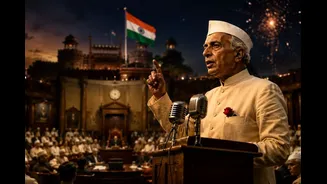
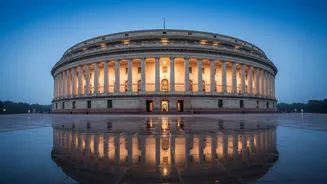
August 15, 1947, was a day of immense political transition and quiet celebration. The key events occurred away from the Red Fort. At midnight, Jawaharlal Nehru delivered his timeless 'Tryst with Destiny' speech to the Constituent Assembly. Later that
morning, the official ceremony involved Lord Mountbatten, the last Viceroy, and the swearing-in of Nehru as India's first Prime Minister. The first public flag hoisting by Nehru that day took place at Princess Park near India Gate, not the Red Fort. This was a formal, state-level event marking the official transfer of power from the British Empire to a newly independent India. The focus was on the legal and constitutional birth of the nation, a moment of profound administrative change rather than a grand public spectacle at the fort.
The People's Celebration: August 16
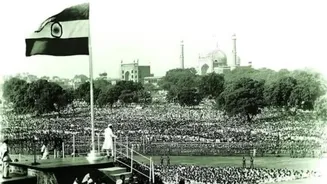
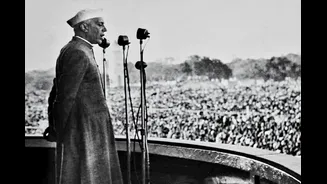
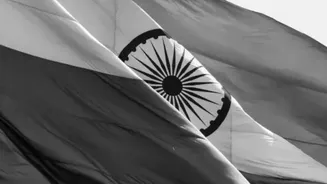
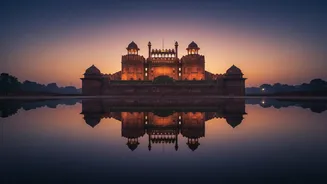
The iconic ceremony at the Red Fort, which has become the hallmark of Independence Day, was held for the first time on August 16, 1947. On this day, Prime Minister Nehru raised the national flag above the Lahori Gate before a massive, jubilant crowd. This was a deliberate choice. While the 15th was for the official handover, the 16th was for the people of India. In his speech, Nehru declared that the flag symbolized the triumph of the entire country. The event was a powerful public statement, reclaiming a symbol of imperial power for the Indian populace. This ceremony was designed to be a more public and emotionally resonant celebration, establishing a tradition that has been followed by every subsequent Prime Minister.
Why the Red Fort Mattered
Choosing the Red Fort was a deeply symbolic act. For centuries, it was the seat of Mughal power, and later, a garrison for the British military. The fort was also the site of the infamous Indian National Army (INA) trials in 1945-46, which had galvanized nationalist sentiment across the country. By hoisting the Tricolour there, Nehru wasn't just celebrating freedom; he was symbolically conquering a bastion of past empires and colonial rule. It transformed a monument that represented foreign control into an enduring emblem of Indian sovereignty and pride. No other location held the same historical weight or emotional resonance to mark the dawn of a new era.
A Tale of Two Days
So why does the misconception persist? Over time, the powerful imagery of the Red Fort ceremony has merged with the official date of independence. The annual tradition, now held on August 15, has retroactively coloured our memory of the very first celebration. But the history reveals a more nuanced, two-day affair. The 15th was about the birth of the state; the 16th was about its presentation to the people. While India officially became free on August 15, the first Prime Minister addressed the nation from the Red Fort a day later. This historical detail doesn't diminish the significance of August 15; rather, it enriches our understanding of the complex and layered events that surrounded India's birth.