



More Than Just a Souvenir
That silk scarf from a Parisian boutique, a colourful tea towel from a market in Marrakesh, or a small hand-woven rug from a village in Peru — these items are more than just objects. They are tangible pieces of a journey, imbued with the sights, sounds,
and feelings of a place. Unlike magnets or keychains, textiles offer rich texture, colour, and artistry that can elevate a room’s decor. By framing a fabric souvenir, you transform it from a forgotten keepsake into a piece of personal history and art. This approach not only honours the memory but also frees up valuable shelf and surface space, turning potential clutter into a sophisticated display. It’s a way to integrate your travels into your daily life, sparking joy and conversation each time you walk past.
Choosing the Right Textile
Almost any piece of fabric can be a candidate for framing, but some work better than others. Look for pieces with interesting patterns, vibrant colours, or unique textures that you want to highlight. Popular choices include silk scarves, bandanas, embroidered fabrics, small tapestries, and even pieces of clothing that hold special significance. The material will influence the final look; silk offers a luxurious sheen, while linen and cotton provide a more rustic or casual feel. Before you commit, consider the fabric's condition. If it's a delicate or valuable heirloom, professional framing is recommended to ensure its preservation. For more common finds, a DIY approach can be a rewarding project. Make sure the textile is clean and ironed, if the material allows, before you begin the framing process.
The Framing Process: DIY or Professional?
For DIY enthusiasts, framing a textile is an accessible project. The simplest method involves stretching the fabric around a sturdy backing like acid-free foam core or a pre-stretched artist's canvas. Lay the fabric face down, place the board in the centre, and wrap the excess fabric around the back, securing it with rust-proof straight pins or a staple gun for a taught, clean finish. For a more polished look, a shadow box is an excellent choice. It creates space between the fabric and the glass, which is crucial for preventing moisture build-up and mold. If the textile is fragile, valuable, or irregularly shaped, seeking a professional framer is the safest bet. They use conservation-grade, acid-free materials and techniques like stitch mounting or lacing, which provide even tension without adhesives and ensure the textile is protected from dust and UV light damage. This reversible method ensures the piece can be removed unharmed in the future.
Designing Your Display
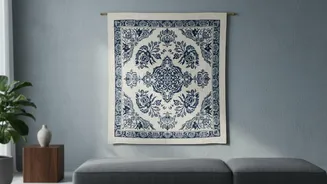
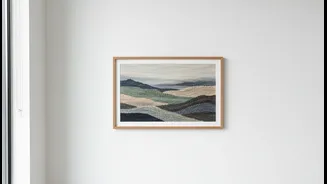
Once framed, your textile becomes a versatile piece of decor. A single, large framed textile can serve as a bold focal point above a sofa or bed. Alternatively, you can group several smaller framed pieces to create a gallery wall. To achieve a cohesive look, consider using frames of the same colour or style. This approach allows you to mix and match different textiles from various travels while maintaining a unified aesthetic. You can also integrate your framed fabric with other types of art, such as photographs, prints, or maps from your journeys. Think about the story you want to tell. You could arrange pieces by colour, by region, or chronologically. This personal collection not only enhances your space but also serves as a living map of your most cherished adventures.