




What 'Core Toning' Really Means
Before comparing workouts, it's important to understand what “toning” actually involves. The term refers to having visible muscle definition, which is the result of two separate factors: building lean muscle mass and reducing the layer of body fat that
covers it. You can do thousands of crunches, but if the muscles aren't visible, you won't see that “toned” look. Effective core toning, therefore, requires a two-pronged approach: strengthening the muscles and burning excess fat. The core itself is more than just the six-pack abs; it's a complex group of muscles including the deep abdominals, lower back, pelvic floor, and obliques that wrap around your entire midsection. A strong core is crucial for good posture, balance, and reducing injury risk.
The Power of Slow Control: Pilates
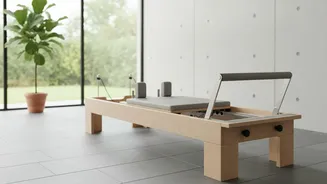
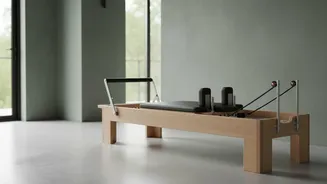
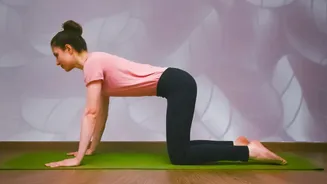
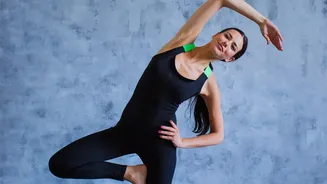
Pilates is renowned for its emphasis on slow, precise, and controlled movements. This method focuses on what's known as 'time under tension,' where muscles are kept engaged for longer periods. This sustained engagement is incredibly effective at targeting the deep, stabilising muscles of the core, like the transverse abdominis, which act like a natural corset for your midsection. By moving slowly, you build a powerful mind-body connection, ensuring you are using the correct muscles rather than momentum. This approach excels at building functional strength, endurance, and improving posture. Better posture can instantly make you appear taller and your midsection flatter. While traditional Pilates isn't a massive calorie-burner compared to intense cardio, its strength is in building the strong, defined muscle foundation necessary for a toned appearance.
The Burn of Fast-Paced Circuits
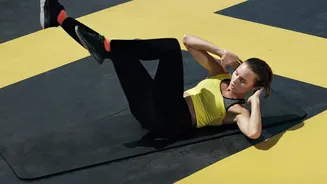
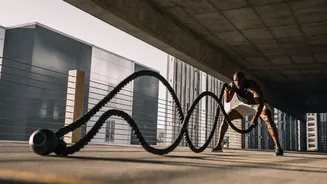
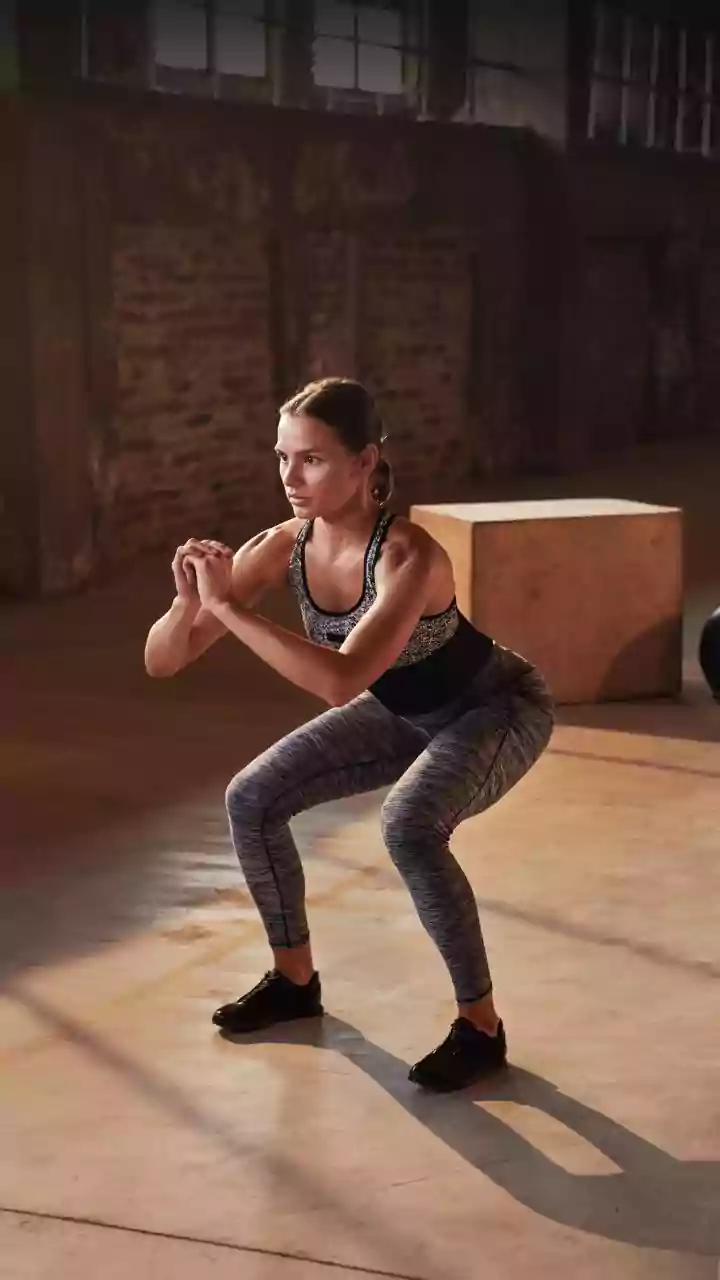
Fast-paced circuit training, a form of high-intensity interval training (HIIT), takes a different route to a toned core. This method involves performing a series of exercises back-to-back with minimal rest. The primary advantage here is cardiovascular intensity. By keeping your heart rate elevated, circuit training becomes a powerful tool for burning calories and, consequently, reducing body fat. A significant calorie burn is essential for revealing the abdominal muscles that you're working to strengthen. Many circuit workouts also incorporate compound strength exercises that engage the core while working other major muscle groups. This simultaneous muscle building and fat burning can lead to significant improvements in overall body composition.
So, Which One Should You Choose?
The question isn't about which method is 'better', but which is better for a specific goal. If your primary aim is to build deep foundational core strength, improve posture, and enhance muscle control and stability, the slow precision of Pilates is outstanding. It excels at activating the intricate network of muscles that support your spine. On the other hand, if your main objective is to reduce overall body fat to reveal the muscles underneath, the high-energy calorie burn of circuit training is more efficient. Circuit training's strength lies in its metabolic impact, helping you achieve the leanness required for visible muscle definition.
A Hybrid Approach for Maximum Results
For the ultimate in core toning, the most effective strategy is not to choose one over the other, but to combine them. Slow Pilates builds the high-quality, deeply-stabilising muscle, while fast-paced circuits help burn the fat to make that muscle visible. This hybrid approach addresses both sides of the toning equation. You could, for example, incorporate two or three days of circuit training into your week to focus on cardiovascular health and calorie expenditure, and supplement that with one or two Pilates sessions to hone in on core control, flexibility, and spinal alignment. This ensures you are not only building a strong, resilient core but also creating the conditions for that strength to be seen.