





Understanding the Movement
African-inspired fitness is a broad and beautiful category, rooted in the rich traditions of dance from across the continent. It includes everything from high-energy Afrobeat dance classes, which blend traditional moves with contemporary street dance,
to workouts based on specific cultural dances like the Agbadza from Ghana or the jumping dances of the Maasai. These workouts are more than just physical; they are a form of celebration, storytelling, and connection. The goal isn't just to burn calories, but to experience joy in movement, making it a powerful and engaging alternative to a typical gym routine.
The Holistic Benefits
Engaging in African-inspired dance is a fantastic full-body workout. The constant motion provides an excellent cardiovascular challenge, boosting your stamina and heart health. Unlike repetitive gym exercises, these dance forms use the entire body in a coordinated way, engaging your core, legs, and arms simultaneously to improve strength and tone. Beyond the physical, the benefits to mental well-being are significant. The expressive nature of the dance can be a powerful stress reliever, while the community aspect of classes fosters social connection and a sense of belonging. You're not just exercising; you're improving flexibility, coordination, and finding a creative outlet.
First Steps: Safety and Preparation
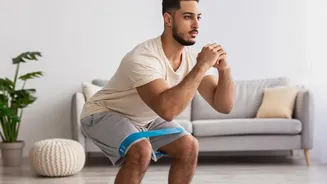
Before you jump into your first class, it's wise to lay a foundation for safety. If you have any pre-existing health conditions or have been inactive for a while, a quick chat with your doctor is always a good idea. The most crucial part of any new routine is the warm-up. Never skip it. Start with 5-10 minutes of light cardio like jogging in place or jumping jacks to get your blood flowing. Follow this with dynamic stretches such as leg swings and arm circles to prepare your joints and muscles for the movements ahead. This simple preparation is key to preventing injury and getting the most out of your workout.
Listen to Your Body
The phrase "at your own pace" is the golden rule. African dance involves movements that might be new to your body, like hip isolations and intricate footwork. It’s important to distinguish between the muscle soreness of a good workout and the sharp pain of an injury. If something hurts, stop. Modify the movement or take a break. Many online tutorials and in-person instructors offer variations for different fitness levels. Start with the basic steps and focus on getting the form right before attempting more complex choreography. This is your journey, and there’s no need to rush. Building strength and coordination takes time.
Finding the Right Class and Instructor
Finding a welcoming environment is key to sticking with any new activity. Start by searching online for beginner-friendly Afrobeat or African dance classes in your area or on virtual platforms. Look for instructors who emphasize proper form and offer modifications. A good teacher will create a supportive, non-competitive atmosphere where you feel comfortable learning and even making mistakes. Don't be afraid to try a few different classes or instructors until you find one that clicks with your personality and fitness level. The right community can make all the difference.
Don't Forget the Cool-Down
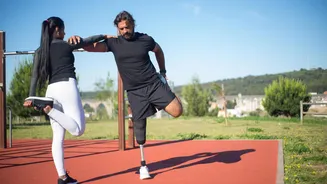
Just as important as the warm-up is the cool-down. After the music stops, spend 5-10 minutes letting your heart rate come down gradually and stretching the muscles you've just worked. Focus on static stretches for your hamstrings, quadriceps, hips, and shoulders, holding each for 20-30 seconds. This helps improve flexibility, reduce next-day stiffness, and aids in your body's recovery process. Making this a non-negotiable part of your routine will keep you feeling good and ready for your next session.