

What Exactly Is a Ginger Compress?
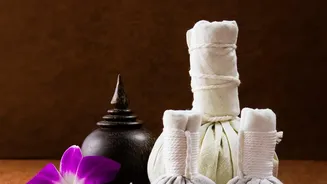
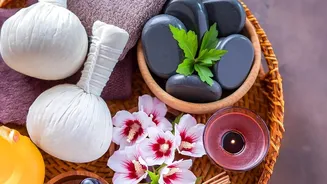
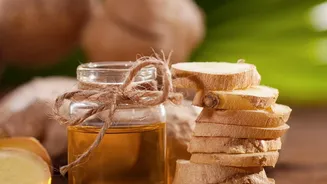
A ginger compress is a home remedy that has been used for centuries in traditional practices like Chinese Medicine and macrobiotics. The method is straightforward: a cloth is soaked in hot water infused with fresh ginger and then applied to the body.
The purpose is to combine the therapeutic benefits of heat with the natural properties of ginger to stimulate circulation, relieve tension, and reduce discomfort in the targeted area. It's a simple technique designed to deliver warmth and the active compounds of ginger directly to where you need it most, such as on sore back muscles or aching legs.
The Potential Post-Workout Perks
After a tough workout, muscle soreness and inflammation are common. A warm ginger compress may help address both. The heat from the compress encourages vasodilation, which is the widening of blood vessels. This process increases blood flow to the muscles, delivering more oxygen and nutrients to aid recovery while helping to flush out metabolic waste. Ginger itself contains powerful anti-inflammatory compounds, most notably gingerols. Some studies suggest these compounds can function in a similar way to certain pain relievers by inhibiting inflammatory pathways. While much of the research focuses on oral ginger intake for muscle pain, topical application is believed to provide localized relief and a comforting, warming sensation that helps muscles relax and unwind.
How to Make Your Own Compress
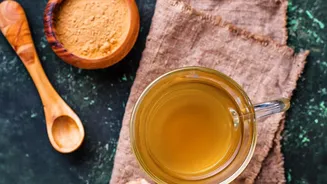
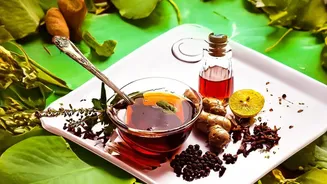
Creating a ginger compress at home is simple and requires only a few items. You will need a large piece of fresh ginger root (about a handful), a grater, a large pot with about two litres of water, and a few cotton cloths or small towels. 1. Prepare the Ginger: Grate the ginger finely. You can place the grated ginger into a small cotton bag, a piece of cheesecloth, or even the foot of a clean stocking and tie it shut. 2. Infuse the Water: Bring the pot of water to a boil, then reduce the heat to a simmer. Drop the bundle into the water and let it steep for at least 5-10 minutes. The water should become fragrant and slightly coloured. 3. Soak the Cloth: Turn off the heat. Dip a cotton cloth into the hot ginger water, being careful not to burn yourself. Using tongs or by holding the dry ends, wring out the excess water until the cloth is damp but not dripping.
Application for Maximum Comfort
For the best results, find a comfortable place to sit or lie down. Before applying, test the temperature of the compress on your forearm to ensure it is hot but not scalding. Place the warm, damp towel directly onto the sore muscle area, such as your lower back, shoulders, or thighs. To help retain the warmth, you can cover the wet compress with a larger, dry towel. Leave the compress on for 15-20 minutes, or until it cools down. You can re-soak the cloth and repeat the process several times, swapping out towels to maintain a consistent warmth. The skin in the area should become warm and may turn slightly red, which indicates increased circulation.
Important Safety Considerations
While generally safe, there are a few precautions to keep in mind. Ginger can cause skin irritation in some individuals, so it's wise to do a patch test on a small area of skin first. Never apply a ginger compress to broken skin, open wounds, or an area with a rash. The compress should be comfortably warm, not painfully hot, to avoid burns. It's also advised to avoid this treatment if you have a high fever. People with bleeding disorders or those taking blood-thinning medications should consult a doctor before using ginger remedies, as ginger may increase bleeding risk. This treatment is not a substitute for medical advice for serious injuries.