




The Big News: What The Agreement Means
In a significant move to boost tourism and cultural exchange, Uzbekistan has introduced a 30-day visa-free regime for Indian citizens. The announcement was made by Uzbek President Shavkat Mirziyoyev during talks with Indian Prime Minister Narendra Modi
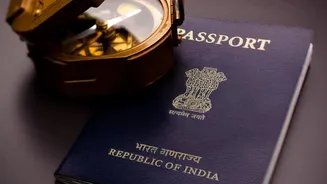
in Tashkent. This policy allows Indian passport holders to enter and stay in Uzbekistan for up to 30 days without needing to apply for a visa beforehand, a process that previously required an e-visa or a traditional sticker visa. The initiative is designed to simplify travel, making the Central Asian nation more accessible for holidays, short business trips, and family visits. This development is part of a broader push to strengthen ties, which also includes a tourism cooperation programme for 2026–2028.
The Fine Print: Key Conditions and Eligibility
While the announcement signals a broad welcome, travellers must be aware of the specific implementation details. According to an update from the Indian Embassy in Tashkent, the 30-day visa-free stay is currently available to Indian citizens who hold a valid multiple-entry visa from select countries. These countries include the USA, UK, Schengen member states, Australia, Canada, Japan, New Zealand, and the Republic of Korea. Indian citizens who do not hold one of these specific visas are still required to obtain an appropriate Uzbek visa as per the existing guidelines. It is crucial for all travellers taking advantage of the new rule to also hold a confirmed return or onward air ticket. As policies can be updated, it is always recommended to check the latest rules with the Embassy of Uzbekistan before making non-refundable travel plans.
Your Pre-Travel Checklist
With the visa process simplified for many, here is what you need to have in order. First, ensure your Indian passport is valid for at least six months from your intended date of entry into Uzbekistan. While the visa itself may not be required for eligible travellers, a valid passport is non-negotiable. Second, a confirmed return or onward flight ticket is a mandatory requirement for entry under this regime. Third, it is wise to carry proof of accommodation, such as hotel bookings, for your stay. Although not always explicitly demanded, it helps ensure a smooth immigration process. Finally, keep a printed copy of your valid multiple-entry visa for one of the specified countries, as this is the basis for your visa-free entry.
Why Visit? A Glimpse of the Silk Road
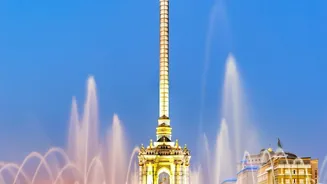
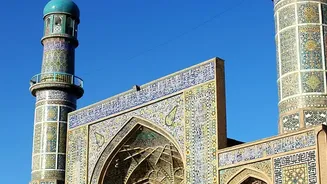
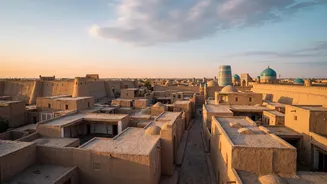
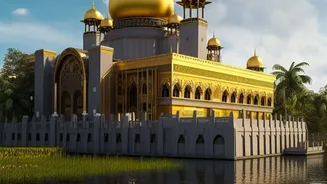
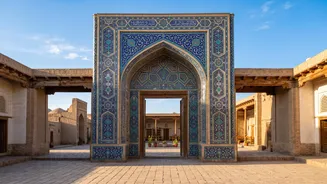
Uzbekistan offers a journey back in time with its breathtaking Islamic architecture, ancient cities, and deep-rooted history connected to the Silk Road. Samarkand, a UNESCO World Heritage site, is home to the majestic Registan square, an awe-inspiring complex of mosaic-clad madrassas. The ancient city of Bukhara offers a labyrinth of narrow streets, historic mosques, and bustling bazaars that have changed little over centuries. Khiva’s inner town, Itchan Kala, is a perfectly preserved walled city that feels like an open-air museum. Beyond the history, the capital city of Tashkent offers a modern contrast with its Soviet-era architecture, green parks, and clean metro system. The country’s cultural links with India, including centres for Indian culture and the popularity of yoga, add another layer of connection for Indian visitors.
On-the-Ground Tips for Indian Travellers
Getting to Uzbekistan is convenient, with direct air connectivity between the two nations. Reports confirm that there are currently 14 direct flights operating every week, providing a solid foundation for increased tourism. Once there, you'll find a cuisine that has familiar notes for the Indian palate, with dishes like Plov (a rice pilaf with meat and vegetables), Manti (steamed dumplings), and Samsa (baked savoury pastries). The local currency is the Uzbek Som (UZS). While credit cards are accepted in larger hotels and restaurants in Tashkent, it is advisable to carry cash, especially when travelling to smaller towns and shopping in local markets. The people are known for their hospitality, creating a welcoming environment for tourists.