

What Exactly Happened?
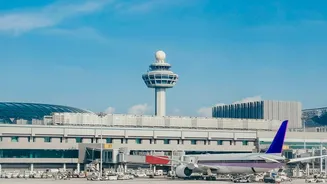
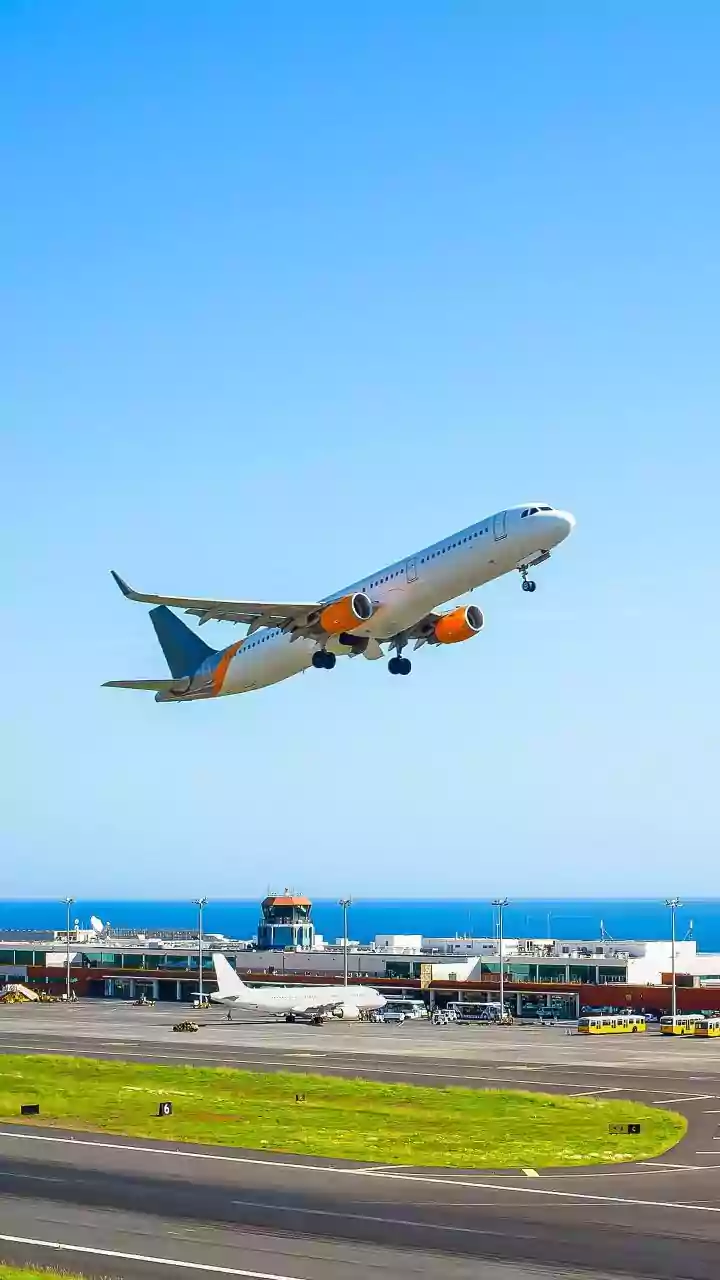
On the afternoon of November 13, the FAA took the rare and drastic step of halting all domestic flight departures across the United States. The order, issued around 3:54 p.m. Eastern Time, cited 'extraordinary circumstances and for reasons of safety'.
While approximately 3,500 aircraft already in the air were allowed to proceed to their destinations and land safely, thousands of other scheduled flights were forbidden from taking off. This was only the third such nationwide ground stop in the 21st century, with the others occurring after the September 11 attacks and following a computer system malfunction in January 2023. The stop remained in effect for more than four hours before being lifted at around 8:15 p.m. ET, but the disruption was just beginning.
A Failure of Communication
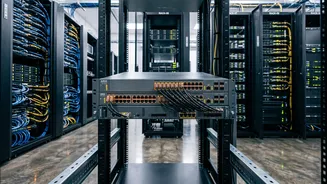
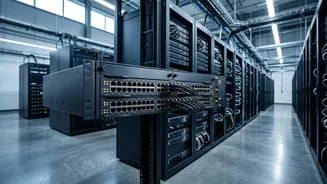
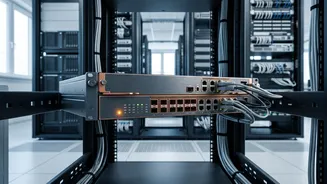
The root cause was not a security threat but a technological one: a telecommunications failure. According to the FAA and Transportation Secretary Sean Duffy, the problem stemmed from instability in the radar and communications systems used by air traffic control. More specifically, the initial investigation pointed to issues at sites in Arkansas and Texas where a contractor, L3Harris, was performing routine upgrades, transitioning the FAA's network from old copper wiring to modern fiber optics. A newly installed router began flooding the network with a thousand connection attempts every few seconds, overwhelming older equipment and causing inconsistent data feeds. Out of an abundance of caution, with controllers in 17 centers seeing intermittent issues, the FAA grounded the system to prevent any safety risk.
Chaos on the Ground
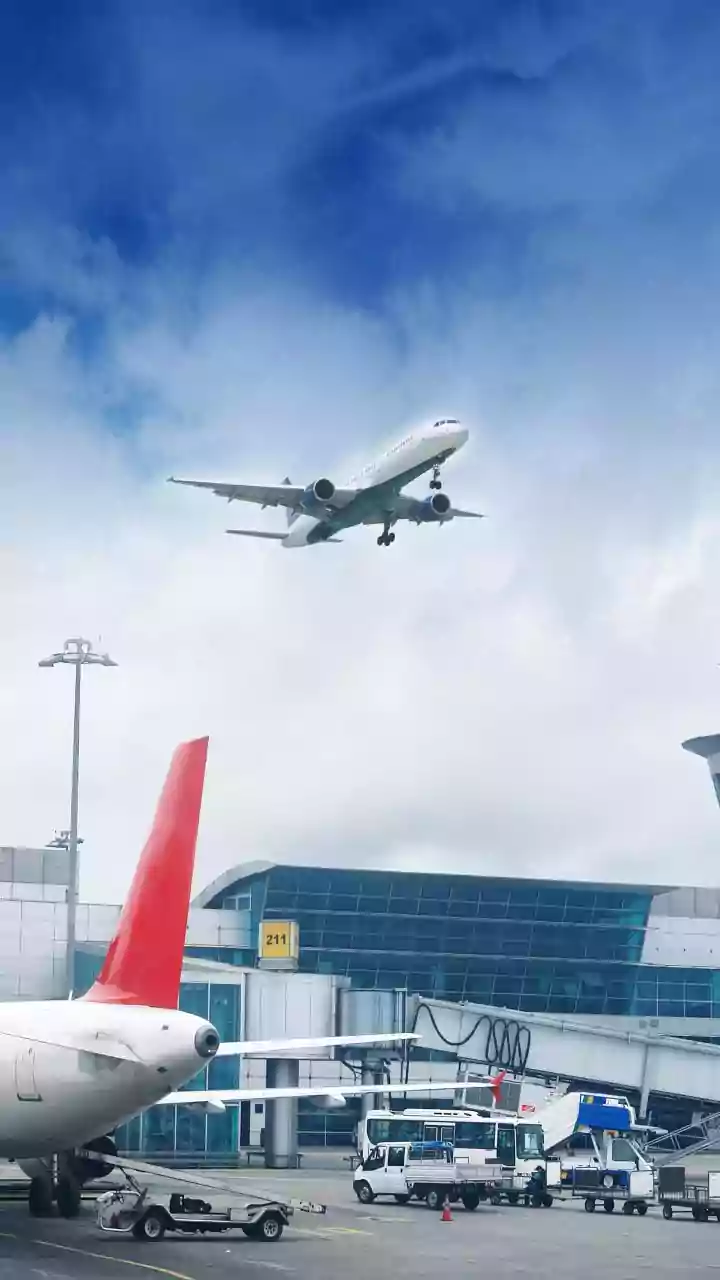
The impact was immediate and immense. The ground stop and its ripple effects led to the cancellation of more than 10,000 flights and delayed thousands more over the subsequent weekend. An estimated 1.5 million passengers were affected by the initial stop. Airports became seas of stranded travelers, with long lines forming at ticket counters and departure boards filled with red 'cancelled' notices. The disruption cascaded for days, as airlines struggled to get their crews and aircraft back into their scheduled positions. Even by Monday, November 17, airports were still working to clear the backlog and return to normal operations ahead of the busy Thanksgiving travel week.
A System's Vulnerability Exposed
While officials were quick to rule out a cyberattack, the incident starkly highlighted the fragility of the nation's critical aviation infrastructure. Transportation Secretary Sean Duffy and other analysts pointed to years of underfunding and slow modernization, noting that some of the routers involved in the failure were purchased in 2001 and considered obsolete by 2006. The failure during a routine upgrade raised serious questions about the system's redundancy and its reliance on a mix of new and decades-old technology. The event has intensified calls for Congress to approve a request for $50 billion to accelerate a complete overhaul of the air traffic control system.
What Happens Now?
In the immediate aftermath, the FAA paused the installation of the new Juniper routers that were implicated in the failure and disabled certain functions on the ones already installed as a precaution. An investigation by the FAA, with support from contractor L3Harris, is underway to determine the precise root cause and prevent a recurrence. For travelers, airlines offered waivers for rebooking flights, though compensation was not expected as the outage was deemed outside the airlines' control. While officials have assured the public that the system is safe, the ground stop has shaken confidence and serves as a powerful reminder of how dependent modern life is on complex, and sometimes vulnerable, technological systems. The focus now shifts to whether this dramatic failure will finally spur the comprehensive investment needed to build a more resilient aviation network for the future.