


The Great Flour Mix-Up
Step into the flour aisle and you might see bags labelled 'rice flour' and 'glutinous rice flour' side by side. It’s easy to assume they're interchangeable, but they are the keys to entirely different textural kingdoms. The biggest mistake a budding baker
can make is swapping one for the other. Regular rice flour, typically milled from long or medium-grain white rice, is your go-to for a delicate, tender, or crispy result. Think of it as a background player that lets other ingredients shine. On the other hand, glutinous rice flour, often called sweet rice flour or 'mochiko', is milled from sticky rice. The word 'glutinous' refers to its glue-like, sticky quality when cooked, not the presence of gluten—it's entirely gluten-free. This is the flour you need for anything that requires a satisfying, bouncy chew.
The Science of a Satisfying Chew
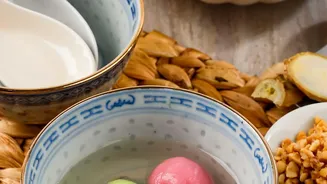
That unique, springy texture beloved in desserts like Japanese mochi, Filipino palitaw, and Chinese tang yuan comes from glutinous rice flour. Its secret lies in a high concentration of a starch called amylopectin. When heated with liquid, amylopectin molecules create a sticky, elastic, and cohesive dough that results in a wonderfully chewy final product. This texture is so prized in many Asian cultures it has its own name—'QQ' in Taiwan. To unlock this texture, the technique is often simple: mix glutinous rice flour with water (sometimes warm water for a softer dough), knead, and then steam, boil, or pan-fry. The result is a soft, pliable dessert that holds its shape while offering a delightful bounce with every bite.
In Pursuit of the Perfect Crisp
On the opposite end of the spectrum, regular rice flour is a champion of crispiness. Because it contains no gluten and absorbs less oil than wheat flour, it's an ideal ingredient for creating light, shattery coatings and batters. This is why it’s often used in tempura batters and for coating foods before frying to achieve a lasting crunch. In desserts, this property can be used to create cookies with a sandy, shortbread-like snap or crepes with delicate, crispy edges. The lack of gluten development means the final product won't become tough. For an even greater crunch factor, rice flour is sometimes mixed with other starches like cornstarch. The technique often involves frying or baking at a precise temperature to evaporate moisture quickly, leaving behind a perfectly crisp and porous structure.
Creating a Delicate, Tender Crumb
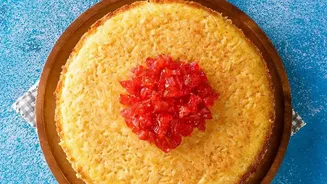
Beyond chewiness and crispiness, regular rice flour also excels at creating a soft, tender texture in steamed and baked goods. In many traditional Asian pastries, such as the Malaysian kuih lapis or Vietnamese steamed rice cakes, rice flour provides structure without the heavy, bready quality of wheat. It can produce a light, almost fluffy crumb when used correctly. The key is hydration; rice flour batters often benefit from a short rest period of 10-20 minutes to allow the flour to fully absorb the liquid, which helps prevent a gritty or chalky texture. For baked goods like cakes and muffins, rice flour is often blended with other gluten-free flours or starches to mimic the structure that gluten normally provides, resulting in a moist and tender final product.
Technique Unlocks Potential
Ultimately, the final texture of a rice flour dessert is a marriage between the type of flour and the cooking method. Steaming is a gentle technique that works wonders with both glutinous and regular rice flours, activating the chewiness in the former and creating soft, moist cakes with the latter, like in a classic bibingka. Frying, with its intense, dry heat, is perfect for making the most of regular rice flour's crisping power. Meanwhile, baking can be used to produce everything from a chewy mochi-style cake to a tender rice flour cookie, depending on the flour used. Even the milling process itself—wet-milled versus dry-milled—can affect the final outcome, with wet-milled flours often producing a finer, more tender result in dishes like Korean rice cakes. Understanding these pairings is the key to moving beyond recipes and truly mastering the art of rice flour desserts.