






What is African Jasmine?
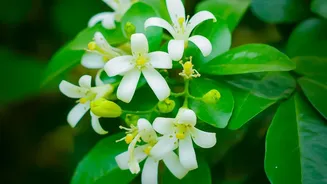
African Jasmine, most commonly known by its scientific name Jasminum multipartitum, is also called Starry Wild Jasmine. This name perfectly captures its essence: it produces large, star-shaped white flowers that often emerge from delicate pink-tinged
buds. These blossoms stand out beautifully against its glossy, dark green leaves. Native to southern Africa, this plant is either a climbing vine or a sprawling shrub, making it highly adaptable to different garden designs. But its most captivating feature is its fragrance. While pleasant during the day, the scent becomes noticeably stronger and more enchanting in the evening and at night, filling your garden or balcony with a sweet perfume.
A Perfect Choice for Indian Gardens
Many jasmine varieties thrive in India, and the African Jasmine is no exception. It is well-suited to tropical and subtropical climates, preferring mild winters and warm summers, which aligns perfectly with conditions across much of the country. The plant can handle full sun but also performs exceptionally well in partial shade, which is a great advantage during the intense heat of Indian summers. Once established, it is reasonably drought-tolerant but appreciates moderate watering, especially during its blooming season. Its ability to grow well in pots makes it a fantastic choice for urban gardeners with limited space on balconies and terraces.
Planting and Nurturing Your Jasmine
To get the most out of your African Jasmine, proper care is key. Plant it in well-drained soil; it does not like to have its roots waterlogged. Enriching the soil with organic compost will give it a strong start. For container gardening, a mix of garden soil, cocopeat, and sand can provide the excellent drainage it needs. Water the plant regularly, allowing the top layer of soil to dry out slightly between waterings. Pruning is best done after the main flowering season (spring and summer) to maintain a desirable shape and encourage bushier growth for the next season. A balanced fertiliser applied in the spring can also boost its health and lead to more abundant flowers.
Decorative Uses in a Garden Setting
The true strength of African Jasmine lies in its versatility as a decorative plant. As a natural climber, it is perfect for training over trellises, archways, and fences, creating a living wall of green foliage and fragrant flowers. It can be pruned and maintained as a dense, informal hedge or a screening plant for privacy. For those with patios or balconies, planting it in a large container near a seating area allows you to enjoy its delightful evening fragrance up close. It can even be used as an effective groundcover in larger garden spaces. Sprigs of the flowers last well in a vase, and even the unopened buds will continue to open indoors, infusing your home with their scent.
More Than Just a Pretty Flower
Beyond its ornamental value, African Jasmine has other interesting uses. Its powerful fragrance makes it a natural air freshener for indoor spaces and a key ingredient in homemade potpourri. In some traditional practices, it has been used to make herbal teas and in sachets as a love charm. The plant also plays a vital ecological role, attracting important pollinators like butterflies and moths to the garden. For households with pets, it's reassuring to know that true jasmines of the Jasminum genus are considered non-toxic to cats, dogs, and horses, making it a safer choice for a pet-friendly home.